
Munich Oktoberfest 2025 – O’zapft is! 🍻
Step back in time and uncover the fascinating history of Munich’s Oktoberfest! This world-famous beer festival has roots dating back to 1810 when it began as a royal wedding celebration. Over the centuries, Oktoberfest has evolved into a vibrant tradition, drawing millions of visitors to the heart of Bavaria each year. From its humble beginnings to its status as a global cultural phenomenon, discover how Oktoberfest has become synonymous with Bavarian heritage, hearty brews, and joyful festivities. 🍺 🎉
Curious about the origins and evolution of this iconic event?
Keep reading to dive into the rich history and lasting legacy of Oktoberfest!
🎡🥨🍻
Oktoberfest origins 📜
Once upon a time, a young royal couple in Bavaria, Crown Prince Ludwig (later King Ludwig I) and his fiancée Therese von Sachsen-Hildburghausen, were married on October 12, 1810. To thank their subjects for enduring wartime hardships, the royalty arranged a five-day festival. Children in traditional Bavarian folk costumes elebrated the newlyweds with poems and flowers. The festival ground was named “Theresienwiese” in honor of the bride, and the celebration concluded with a horse race on October 17.
Die Wiesn 🎠
The festival site still bears the name Theresienwiese, and locals call it “die Wiesn”. The event was a big success, so it was repeated the following year. Over time, the annual Munich Oktoberfest grew in popularity. By the end of the 19th century, various entertainments were added, and breweries joined to form the festival we know today. The division of Munich Oktoberfest into Wirtsbudenstraße (party tents) and Schaustellerstraße (fairground) dates back to these early years.
With roughly six million visitors every year, Munich Oktoberfest is the largest folk festival in the world. It has managed to sustain its original charm, thanks in part to the mandatory Bavarian folk costumes.
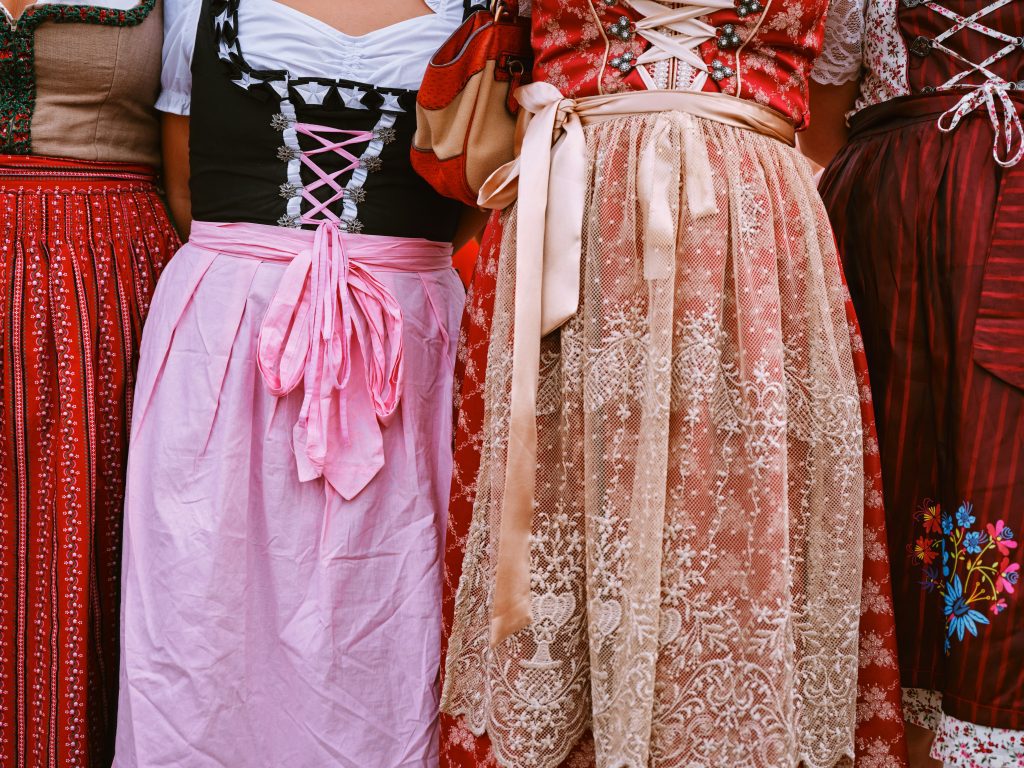
How to tie the bow of your dirndl 🎀
The bow of the dirndl reveals more than you might expect. The location of the bow conveys a secret code. To the left means the wearer is single. If the bow is worn on the right, the woman is married or “excused.” Tied in the middle signals that the wearer is a virgin, and on the back indicates that she is a widow.
“O’zapft is“🍺
On September 20, 2025, at exactly 12 PM it will be time for the call of “O’zapft is” (“It has been tapped”) and the official opening of the 190th Munich Oktoberfest. The tents will be open to the public from 9 AM, but no beer is served until the Mayor of Munich performs the first ritual tapping in the Schottenhammel tent. Before this, the hosts of the Wiesn gradually populate the grounds of Munich Oktoberfest, arriving on festively decorated horse-drawn carriages.
Many taverns anticipate Munich Oktoberfest more zealously than the Christmas season. To the locals, the Wiesn is much more than a huge beer feast. The people of Munich cherish the traditional details of Munich Oktoberfest. The fairground offers around 200 rides, from adrenaline rushes powered by modern technology to nostalgic attractions. Some families managing the individual rides have participated in Munich Oktoberfest since the beginning of the 20th century.
Oktoberfest specialties 🥨
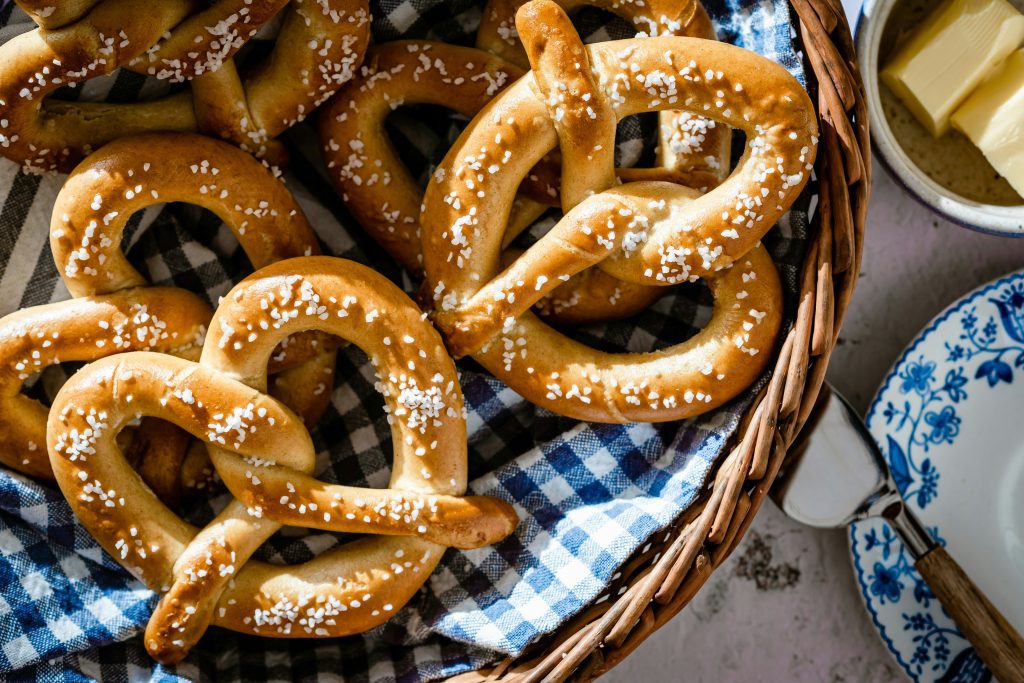
Feeling peckish? Try the beef sandwich Ochsensemmel in the Spatenbräu tent. At the entrance, you’ll see a sign informing you of the ox’s name, weight, and the number of previously consumed animals. To satisfy your sweet tooth, try the Apfelkücherl (deep-fried apple slices in a sweet dough). They’ve never tasted better than at Munich Oktoberfest.
If you take the scenic walk to the Bavaria statue, which offers a beautiful view of the Wiesn, you might hear the word Löwenbräu murmuring in the distance. Though you might be under the influence, the voices are real indeed. They originate from the Löwenbräu lions in front of the party tent, who occasionally raise their voices and roar “Löööwenbräu.” Löwenbräu is one of the six Munich breweries represented at Munich Oktoberfest. Tradition stipulates that only local beer can be served in the tents. The other resident breweries are Augustiner, Hacker Pschorr, Hofbräu, Spaten, and Paulaner.
When darkness falls 🌌
When darkness falls, experience classics like Toboggan and Teufelsrad. The Toboggan brings you skyward on a fast-moving conveyor belt, a highly amusing spectacle for the audience. Today, the Teufelsrad is a rarity at fairgrounds, but the question remains the same: who can stay on the rotating disc and avoid the ball the longest?
Discover more top Munich articles here 👇👇
Fun Facts Munich
Coolest bars in Munich
Christmas Markets Munich
Vintage shops Munich
Hiking near Munich
Why the Oktoberfest takes place in September
The simple reason is the German climate. In October, it is generally too cold for outdoor festivals, so in 1872, it was decided to move the celebration to September. Munich Oktoberfest always starts on the first Saturday after September 15, so this year it begins on September 20 and continues for 16 days until October 5. On the final Sunday, a romantic atmosphere takes hold of the tents. The end of Munich Oktoberfest is marked by a sea of light created by thousands of sparklers distributed to the guests.
What are you still waiting for? Pack your bags and get ready to immerse yourself in the beer tents, traditional Bavarian music, and festive atmosphere of Munich’s Oktoberfest!
Munich Oktoberfest 2025: FAQs
What is the history behind Munich’s Oktoberfest?
Munich’s Oktoberfest started in 1810 as a celebration for the wedding of Crown Prince Ludwig, later King Ludwig I, and Therese von Sachsen-Hildburghausen. The event, held on October 12th, was a five-day festival for the people, including a horse race and festivities. Over time, the annual event evolved to include various entertainments and breweries, forming the festival we know today.
Why is the Oktoberfest site called Theresienwiese?
The festival ground is named “Theresienwiese” in honor of Princess Therese von Sachsen-Hildburghausen, who married Crown Prince Ludwig in 1810. The site still bears this name, and locals affectionately call it “die Wiesn.”
When did breweries become part of Oktoberfest?
Breweries joined Oktoberfest towards the end of the 19th century, significantly shaping the festival into the vibrant beer celebration it is today. They helped establish the division into the “Wirtsbudenstraße” for party tents and “Schaustellerstraße” for fairground attractions.
How many visitors does Oktoberfest attract each year?
Oktoberfest attracts roughly six million visitors annually, making it the largest folk festival in the world. Its enduring charm and rich traditions continue to draw crowds from around the globe.
What is the significance of the phrase “O’zapft is”?
“O’zapft is” means “It has been tapped” and marks the official opening of Oktoberfest. The Mayor of Munich performs the first tap in the Schottenhammel tent, after which beer is served to the public.
What are some must-try foods at Oktoberfest?
Visitors should try the “Ochsensemmel” (beef sandwich) at the Spatenbräu tent and the “Apfelkücherl” (deep-fried apple slices in sweet dough) for dessert. These delicacies are part of the unique culinary experience at Oktoberfest.
Why is Oktoberfest held in September instead of October?
Oktoberfest was moved to September due to the typically better weather. Since 1872, the festival has started on the first Saturday after September 15th and runs for 16 days, ending in early October.
What traditional attractions can be found at Oktoberfest?
Traditional attractions include the “Krinoline” carousel with its brass band, “Schichtl’s Zaubertheater,” featuring the act “The Decapitation of a Living Person,” and the nostalgic “Teufelsrad” and “Toboggan” rides, among others.
Where can I stay in Munich during Oktoberfest?
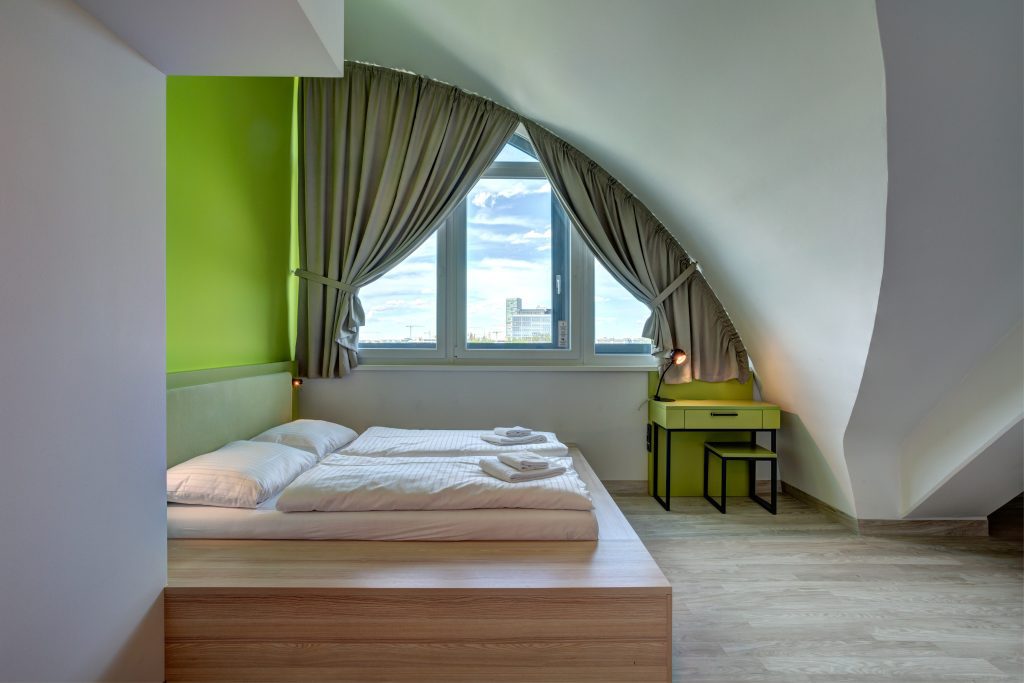
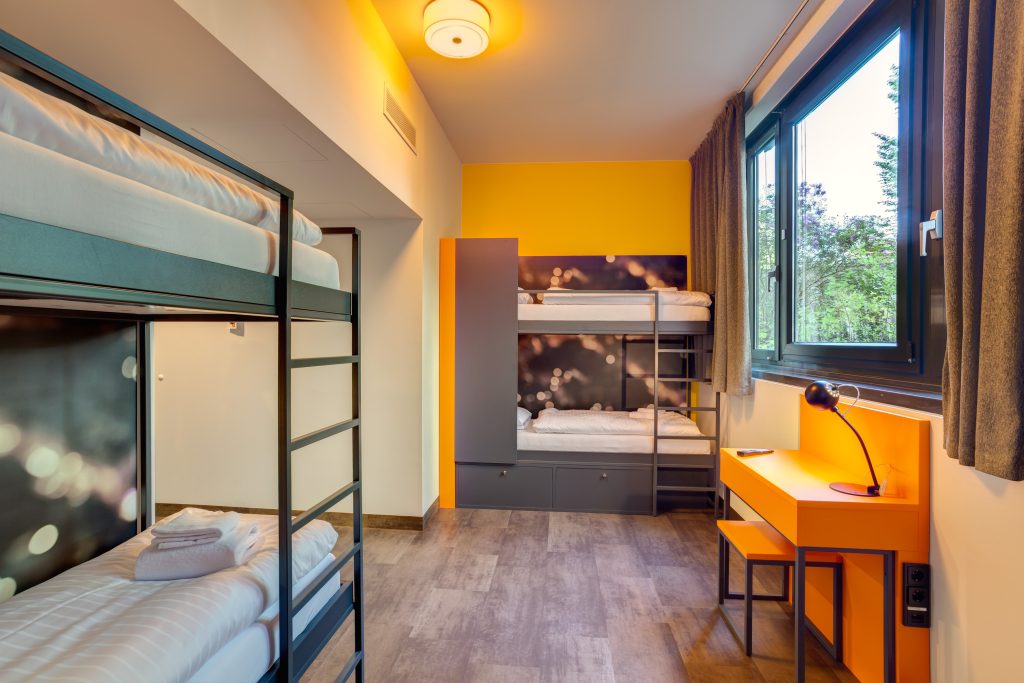
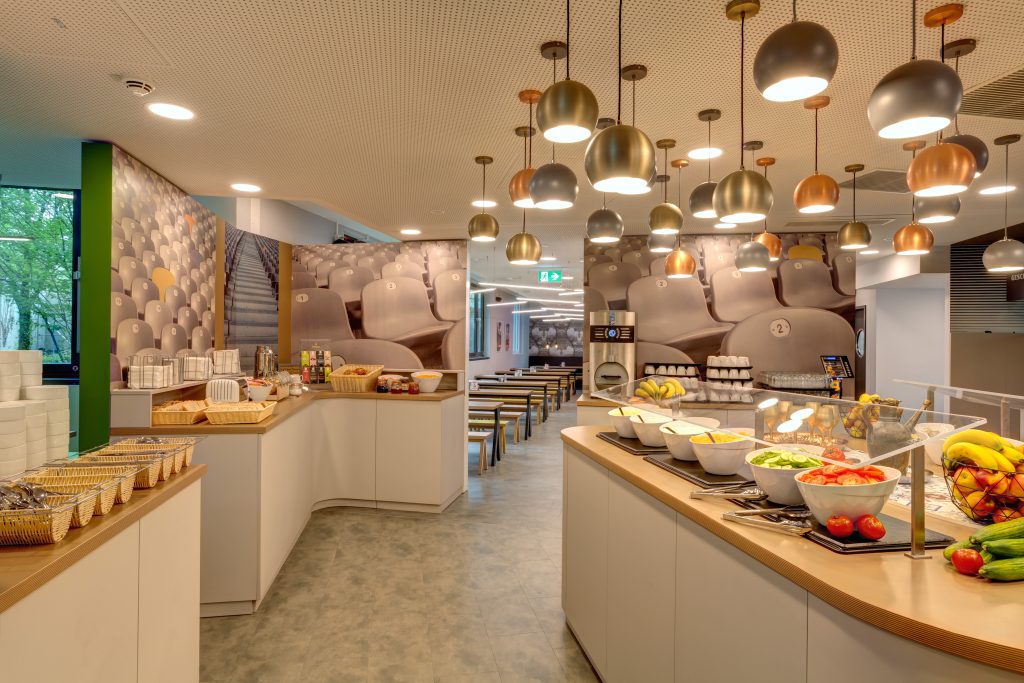
For a convenient and comfortable stay during Oktoberfest, consider the MEININGER Hotel München Olympiapark or MEININGER Hotel München Zentrum. Both are located close to Theresienwiese, offering affordable accommodation in the heart of Munich’s festive action.
🛎️ Where to stay in Munich during Oktoberfest
Looking for the perfect place to crash during Oktoberfest?
Check out the MEININGER Hotel München Olympiapark and MEININGER Hotel München Zentrum.
Conveniently located close to the Theresienwiese, both hotels offer comfy and affordable rooms in the heart of this vibrant city.
🍺🎉🇩🇪
MEININGER Hotel München Olympiapark
Address: Landshuter Allee 174, 80637 Munich
MEININGER Hotel München Zentrum
Address: Landsberger Str. 20b, 80339 Munich