
An interview with Gábi Furst🎙️
We sat down for an eye-opening conversation with Gábi Furst who gave us a unique insight into her experiences as a trans traveler.
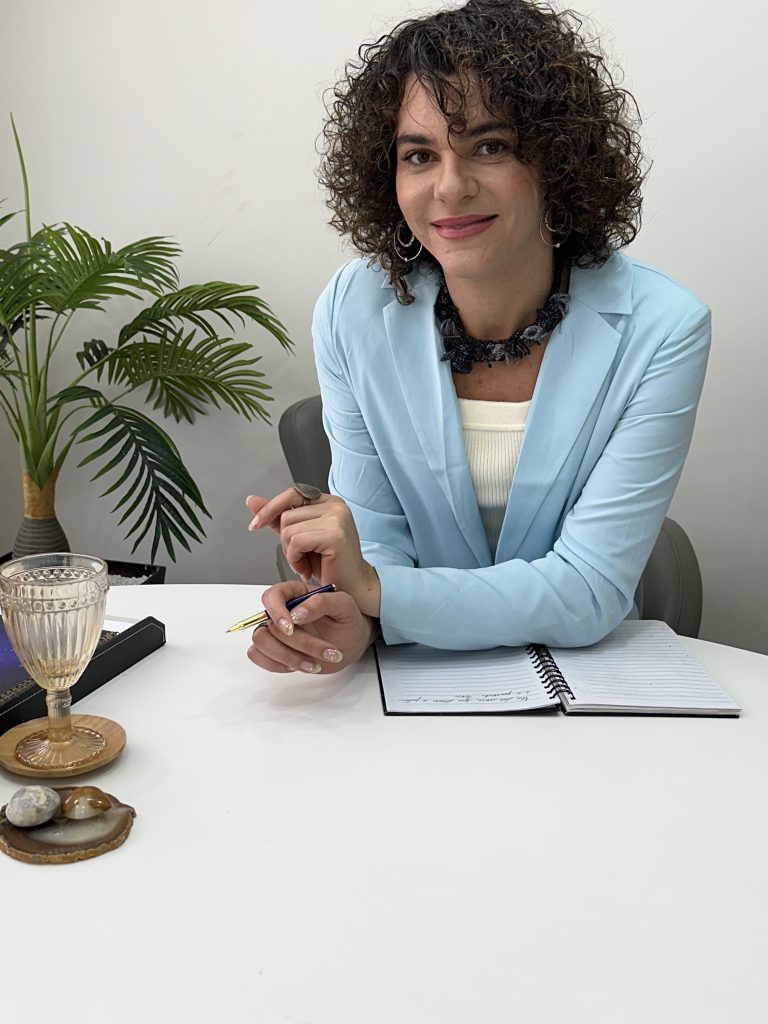
Gábi is an independent journalist, YouTuber and mobile photography artist. Traveling often around the world, she’s been to more than 60 countries, and lived in 8, now splitting her time between Berlin and Brazil. As a mobile digital photography artist, Gábi has also worked as a news correspondent, covering the Middle East and, in 2018, Russia. She’s the author of Segundo Deserto (Second Desert), an unpublished book that reflects her unique global experiences. Her YouTube channel: youtube.com/detodomundo.
Can you share your story as a trans individual and how it has shaped who you are today?
Gábi: Identifying myself as a trans person has really changed my life because I’ve become aligned with the elements that match what I think, what’s in my memory, my expectations and who I am today. I feel so much better being recognized as a trans person. It has changed the way I see the world, how I work and how I want to contribute to the planet. Many people are afraid of regretting their transition or parts of it, but people never stay the same; we’re always changing, always evolving. The number of people who regret having surgery is very small. Today, to be considered trans, it’s not necessary to have any procedures done on the body. What’s important is being recognized as transsexual, that is, feeling different from what you were assigned at birth.
What important moments in your journey have made a big impact on your life?
As a journalist, it was very important for me to start a YouTube channel. Regardless of the number of people who watch it, it was very important to immortalize my feelings and share them, while also seeing the difficulties of so many people. Another highlight in my journey was face laser hair removal, the way I choose clothes, the use of makeup, accessories, talking to people on the street, facing them, and going out on the street with strength, so as not to be harmed by harassment and other actions.
Have you updated your official documents to reflect your identity? How was that experience?
It’s very difficult to fully understand the feeling, since not everyone identifies as a trans person, but it’s easy to explain because all people, in some way, already identify with how they feel. So, something as simple as a few letters or a single act, that means so much to trans people, has taken years of struggle to achieve. Today, it’s simply a matter of taking the necessary papers, going through several procedures and then getting the name changed. Updating documents and changing my name and gender is very important because they officially reflect who I am. Having it on paper is crucial because it makes everything official. Now, it’s easy for me to go out in pants, a skirt, or a dress, knowing that yes, I’m officially feminine, and my name is officially Gabi. Before, it felt like we were being dismissed, like they were just assumptions. But it’s not—there are laws, rights, and policies aimed at protecting this part of the population.
Can you share some positive experiences you’ve had while traveling as a trans person?
Little treats, small actions when I feel at home. It always happens when I’m treated just like anyone else—whether it’s with the bus driver, the hotel staff, or when I’m helped by someone. It’s always good to feel safe and to be treated as a normal person. It’s important to understand that being trans is not a problem, but trans people face much bigger problems than many other marginalized groups in the community or society. Many times, they haven’t had a home, so transforming each experience into a feeling of home is a gift; it’s about working together for progress, and that’s where trans inclusion comes in. Many trans people no longer have public romantic relationships or have not been accepted at home, and this can often lead to difficulties.
But that doesn’t mean being trans is the issue—it’s about understanding the reality of the person’s life. Being trans doesn’t mean you have a problem, and the rest of society doesn’t. It’s about creating spaces where they feel at home, whether in inclusive hotels for trans travelers, at the entrance of a building, or somewhere else. A trans person is often expected to be perfect—intact, wonderful, wearing makeup and high heels 24 hours a day. But it’s about understanding that there are both beautiful and messy moments, times when you’re dressed up or just wearing a towel to go take a shower.
What challenges have you faced while traveling or staying at hotels, and how have you dealt with them? Have you ever felt unsafe?
I’ve traveled to more than 60 countries and have faced challenges from the moment I arrived: at airports, hotels, and other spaces. Issues with a name that doesn’t match, photos that might look different, or the division of female and male bathrooms. In shared areas like kitchens, I’ve even had people say, “I won’t talk to you,” or “I don’t approach people like you.” These are challenges I still face, which is why it’s such a great opportunity to see MEININGER Hotels, an LGBTQ+ friendly accommodation, taking meaningful steps, not only publicly, but also within their team, to find new ways to improve this situation that unfortunately still prevails.
Are there any places that felt especially welcoming and inclusive to you?
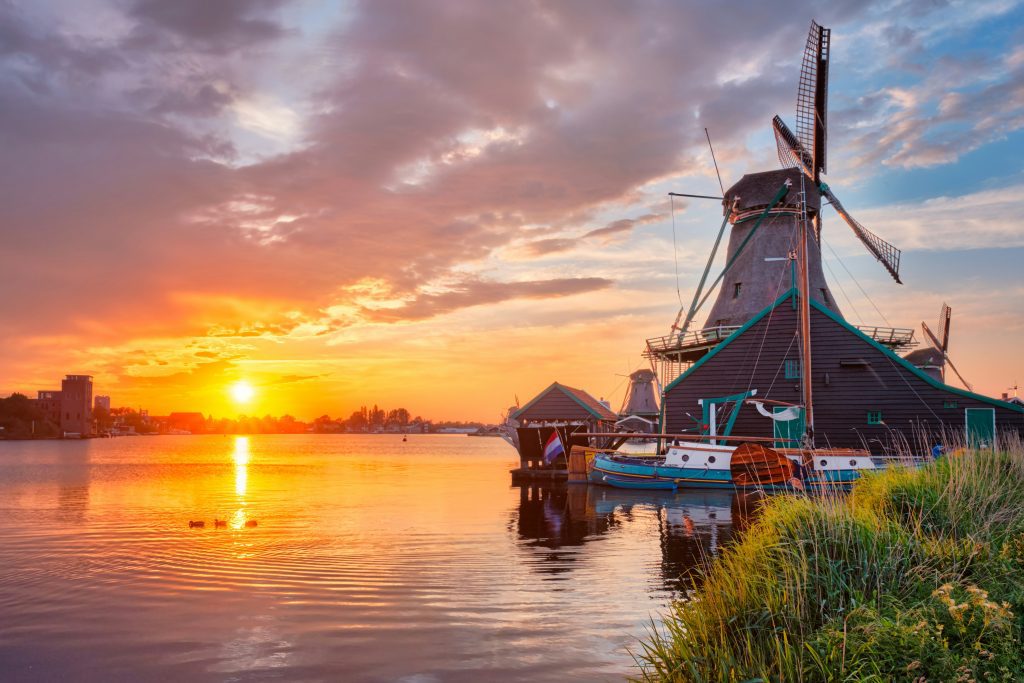
For safe travel in Europe, Paris makes me feel very welcomed with its diversity. Like Amsterdam, it’s one of the best LGBTQ+ transgender-friendly cities, full of global visitors. I think this is very important. It’s also worth mentioning places outside of Europe. Many are hesitant to travel beyond the borders but are often welcomed warmly. Tunisia, for example, captivated me! I followed specific guidelines since not all LGBTQ+ rights are guaranteed there, dressing modestly in black or white and staying in tourist areas. I felt safe and had a wonderful opportunity to get to know this North African country.
MEININGER Tip: If you’re looking for more tips on LGBTQ+ friendly spots in Amsterdam, check out our Gay Amsterdam Guide.
Do you have any travel tips or a favorite country to visit?
A travel tip for trans women and for everyone is to never lose your personality—dress nicely and in your own style, but don’t bring too much with you. No matter how cold the country is, take just one or two jackets and avoid overpacking. Traveling should be light, just like your luggage. Choosing only one favorite place is hard, but I always enjoy the mountains or the beach. I really like The Netherlands for its variety: beaches, cities, hills, and the rich local culture. Belgium is similarly diverse and still quite underrated.
Can you share an instance where you felt well-represented in the media?
I appreciate movies, series, political figures, influencers, and digital media that genuinely address trans experiences, especially when trans people are telling their own stories rather than having others play trans roles. This representation makes me feel hopeful, showing that it’s possible to overcome many of the challenges we face, like gaining visibility, being in spaces, and proving we’re capable of contributing to society. Our agenda is broad, including women, people from marginalized areas, Indigenous people, and people of color. These shared experiences make it essential for us to tell our own stories and seek allies, especially through social media.
What changes would you like to see in the travel and hospitality industry to better represent, support and welcome the trans community?
There are studies around the world showing that the trans community is being increasingly welcomed in workplaces, universities, and forums. However, around 80% are still involved in sex work, which often leads to confusion between sex work and identity, gender, and orientation. It’s important to remember that trans people deserve human dignity and respect, regardless of their occupation. They should be treated with kindness, whether through a simple greeting, a smile or being acknowledged as equal. A significant improvement would be the use of gender-inclusive bathrooms or facilities that don’t segregate by gender but focus on individual needs, like bathrooms labeled for those who stand or sit. This, along with mixed-gender spaces, would create a more welcoming environment for all.
How can other travelers and allies create a more inclusive and supportive environment for trans travelers?
For us, trans people, traditional family environments—like those centered around a mother, father, and children—can feel very oppressive. In these spaces, we often become the target of laughter, jokes, or hurtful stares. These environments can be harmful because trans people are seen as outsiders, something that doesn’t fit within the family structure, or even as a threat to it. Creating more open and inclusive environments is important so we don’t feel cornered. It’s an understanding that will take society time to develop, but it’s about recognizing the natural diversity of the world, where trans people are part of that diversity. It’s not just about men and women, as some religious texts suggest—spirituality and society are far more complex. Spaces that don’t divide everything into just two categories—man and woman—bring this needed plurality. Like I mentioned before, for example, bathrooms could simply be labeled for those who stand or those who sit, and kitchen spaces can be for everyone, too. These small details make a big difference, whether it’s at the hotel entrance, in the way security measures are handled, or in how people accept you based on your photo.
What are your thoughts on pinkwashing?
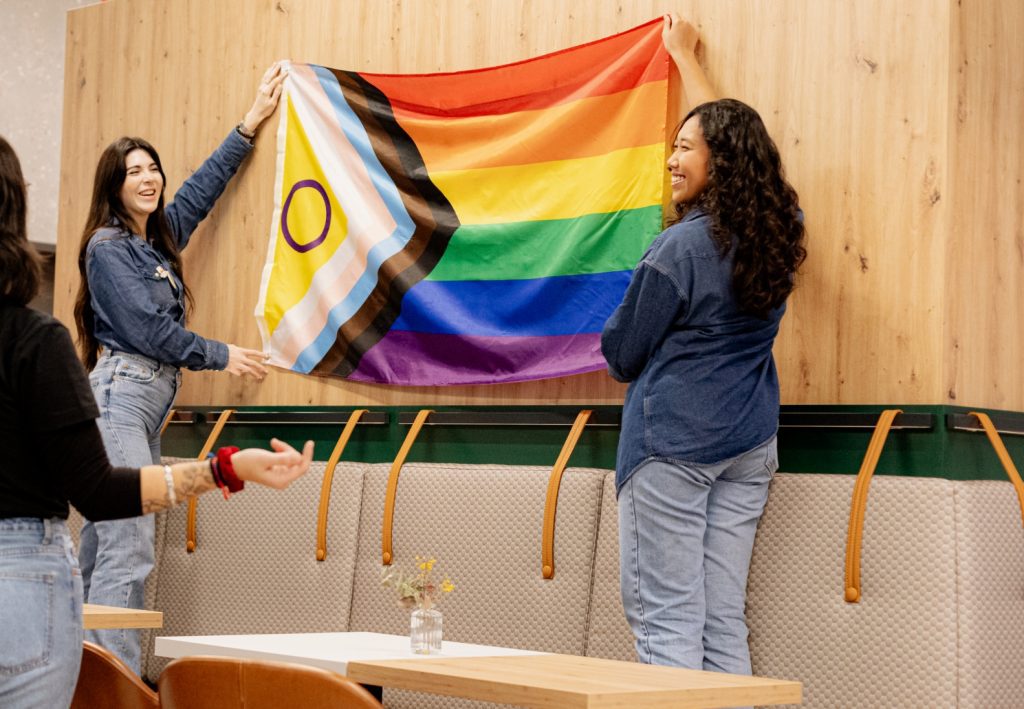
Pinkwashing isn’t cool because it exploits a cause to gain attention and make companies look good, without genuinely supporting the LGBTQ+ community. It’s superficial, and when things get tough, these companies often withdraw their support. LGBTQ+ rights are human rights, not something to be treated as a favor. People deserve respect, acceptance, and true inclusion. Pinkwashing doesn’t offer that, it just uses symbols, like putting a flag on the door, to attract customers… What’s really needed is genuine change, from the employers and supervisor to the owner and other employees, ensuring everyone in the company upholds these values—not just for show.
What message would you like to share about the importance of inclusion and diversity?
Inclusion has always existed but making it a central focus is crucial. For too long, we’ve discussed issues like climate change, hunger, and politics without fully including all kinds of people. When we embrace inclusion, we become stronger and create a better world for everyone, regardless of their spirituality, beliefs, or cultural background. Diversity has been a part of humanity throughout history, and recognizing it makes us more united.