
Yes, you can backpack France cheaply. France rewards light backpacks: cities are walkable, dorms are easy to find, and the Paris → Bordeaux → Lyon → Marseille line gives you 4 very different French moods without crossing the country twice.
Ready to explore backpacking France on a budget?
Let’s go!
🎒 🏞️ 📍
Backpacking France on a budget: what it really costs
France has a pricey reputation, but the backpacker version is much kinder when the big three are controlled: bed, transport, and food. The trick is not skipping the fun. It is choosing where your paid moments count. One museum, one proper local meal, and one long train can fit into a week when breakfasts, supermarket picnics, free river walks, and dorm beds do the everyday lifting.
When to go for the best France budget travel deal
Spring and early autumn are the sweet spots for France budget travel. April, May, September, and early October usually bring lighter crowds, less sweaty dorm rooms, and better odds of booking the bed you want without paying summer pressure rates. Accommodation prices can run 30–50% higher during the summer months, so July and August need earlier planning and fewer spontaneous city changes.
May is especially good for first-timers. Paris parks are green, Bordeaux terraces stretch into long evenings, Lyon is comfortable for hill walks, and Marseille gives you Mediterranean light without peak beach-season crush. September works beautifully if you want warmer evenings in the south and a more student-led feel in the cities.
Summer still works if July or August is your only window. Book refundable dorm beds early, especially in Paris and Marseille, since good-value beds near the center thin out fast. Midweek travel keeps trains and dorms cheaper, and saving the coast for weekdays rather than Saturday nights avoids the sharpest price spikes. A cheap July or August trip is possible. It just needs a plan instead of a whim.
Winter can be cheap, but it changes the rhythm. Shorter days make long museum visits more appealing, and Marseille can still feel bright when northern Europe is gray. The caveat is that some riverfront terraces, seasonal food markets, and beach-minded plans have less sparkle in January.
How UK travelers can reach France without burning the budget
Most backpacking trips through France start in Paris because it is the easiest arrival point from the UK. Eurostar gets you from London St Pancras International to Paris Gare du Nord in a little over 2 hours, and it drops you straight into the city rather than out by an airport. Book early, compare awkward times, and remember that one central train arrival can save a cross-city airport transfer.
Budget flights can still win for travelers outside London. Manchester, Bristol, Edinburgh, and other UK airports often connect to Paris, Bordeaux, Lyon, or Marseille, especially in school-holiday periods. Add cabin-bag fees, airport transport, and late-arrival food before calling a flight cheap. A bargain fare that lands after the last easy public transport can turn into a taxi-shaped mistake.
Ferries suit slower trips and big backpacks. Portsmouth, Dover, Newhaven, and Plymouth routes can make sense if Normandy, Brittany, or the southwest is part of your plan. They are less useful for the Paris → Bordeaux → Lyon → Marseille route unless the ferry itself is part of the fun.
Getting around France on a budget
France is made for rail, but the cheapest option changes by route, date, and luggage. SNCF Connect is the main place to compare national rail options, while OUIGO is the low-cost train brand to check when your route is served. Buses and carpooling fill the gaps, especially on longer east-west legs where fast direct trains may be limited.
| Option | Best for | Budget note | Watch out for |
|---|---|---|---|
| SNCF trains | Fast city-to-city rides and regional hops | Advance fares can be good, especially outside Fridays and Sundays | Some high-speed trains need seat reservations |
| OUIGO | Low-cost high-speed rail | Often strong value when booked early | Luggage rules are stricter, and some stations sit outside the center |
| FlixBus | Long cheap rides and overnight saves | Often cheaper than trains for last-minute plans | Traffic can stretch arrival times |
| BlaBlaCar | Flexible carpooling with locals | A favorite among budget-savvy French travelers | Confirm luggage space and pick-up point before booking |
| Interrail or Eurail pass | Many train rides in a short period | Pays off when you are moving often | TGV and some international trains require reservations |
A rail pass is not automatically cheaper in France. It starts to make sense when you stack several train legs close together, especially if you are also visiting other countries. For a simple 4-city France route, compare every point-to-point ticket first, then price the pass.
Book intercity transport as soon as your dorm dates feel firm. If your plans are loose, use buses for flexibility and trains for the legs where speed really changes the day.
Which route is best for backpacking France on a budget?
The best first route for backpacking France on a budget is Paris → Bordeaux → Lyon → Marseille. It starts at the main arrival hub, follows strong rail and bus links, and finishes by the Mediterranean, where the final day can be a sea-view walk instead of another museum queue. The only awkward leg is Bordeaux to Lyon, where comparing train, bus, and carpooling is essential.
| Leg | Fast train time to expect | Budget move | Backpacker note |
|---|---|---|---|
| Paris → Bordeaux | From about 2 hr 08 min by train | Check OUIGO and early SNCF fares | Arrive at Bordeaux Saint-Jean and walk or tram into the center |
| Bordeaux → Lyon | From about 4 hr 22 min by train | Compare trains with FlixBus and BlaBlaCar | Pick speed if you only have 7 days |
| Lyon → Marseille | From about 1 hr 35 min by train | Book early or use a slower coach if flexible | Morning travel gives you a full Marseille afternoon |
Cheap things to do in Paris, Bordeaux, Lyon, and Marseille
Paris: big sights, local edges
Pre-book the Louvre or Eiffel Tower if they are non-negotiable, then balance them with free Paris. Walk the Coulée Verte René-Dumont, browse the covered passages near Grands Boulevards, and take sunset on the Seine quays with supermarket picnic supplies. For a quieter green fix, the Bois de Vincennes pairs well with an east-side stay.
Bordeaux: river walks and market mornings
Bordeaux is kind to walkers. Start along the Garonne, cross Pont de Pierre, and look back at the honey-colored façades from the right bank. Marché des Capucins is the move for breakfast if your budget likes coffee, bread, fruit, and people-watching more than a sit-down brunch.
Lyon: traboules, murals, and proper snacks
Lyon gives you hills, food, and history without needing a packed paid itinerary. Wander Vieux Lyon early, climb toward Fourvière before the day heats up, then look for the painted walls around Croix-Rousse. For low-cost eating, Les Halles is tempting but not essential; bakeries and small bouchon lunch menus can do the job better for backpackers.
Marseille: sea air without beach-club spending
Marseille’s best budget plan is outside. Walk from La Joliette toward MuCEM, loop the Old Port, then take local transport toward Vallon des Auffes or the Corniche for blue-water views. If the Calanques are on your list, check weather and access rules before setting off, because summer fire risk can close paths.
What to pack for France on a budget
- Comfortable walking shoes, already broken in before departure
- Light layers for spring and autumn temperature swings
- A refillable water bottle for stations, parks, and long walks
- A dorm padlock for lockers
- Earplugs and an eye mask for shared rooms
- A compact towel if your booking does not include one
- A plug adapter and a short charging cable that reaches awkward sockets
- A foldable tote for groceries, beach snacks, or laundry
France is casual for backpackers, but one tidy outfit helps. Some wine bars, nicer restaurants, and clubs can be picky about beachwear, sports shorts, or muddy shoes. Nothing fancy is needed. Clean trainers, dark trousers, and a plain top usually pass the door test.
Smart dorm choices for clean, comfortable value
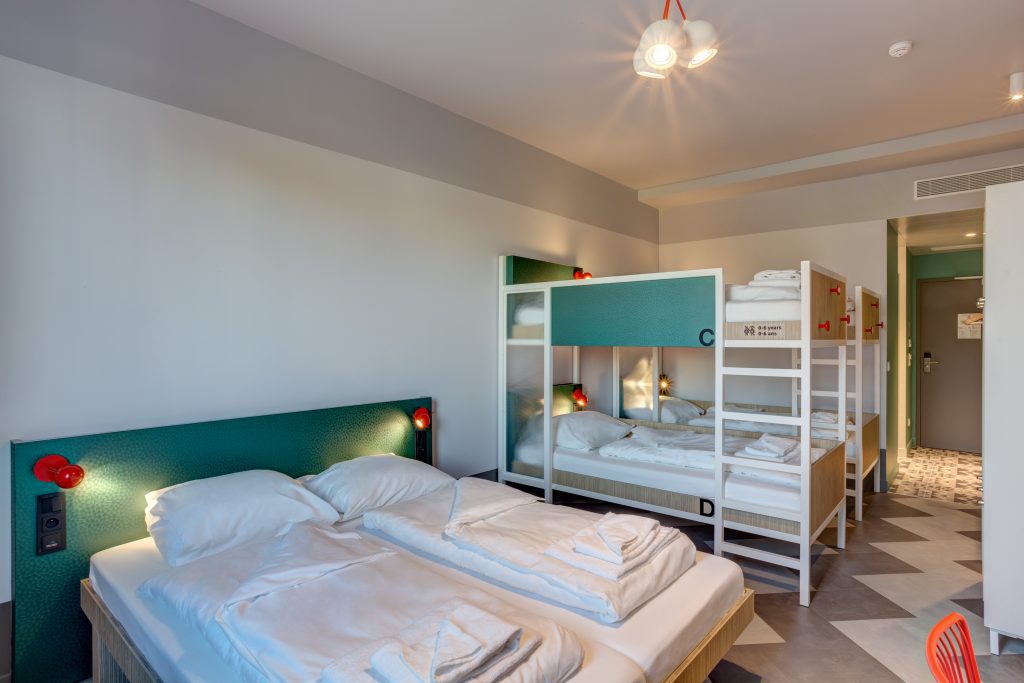
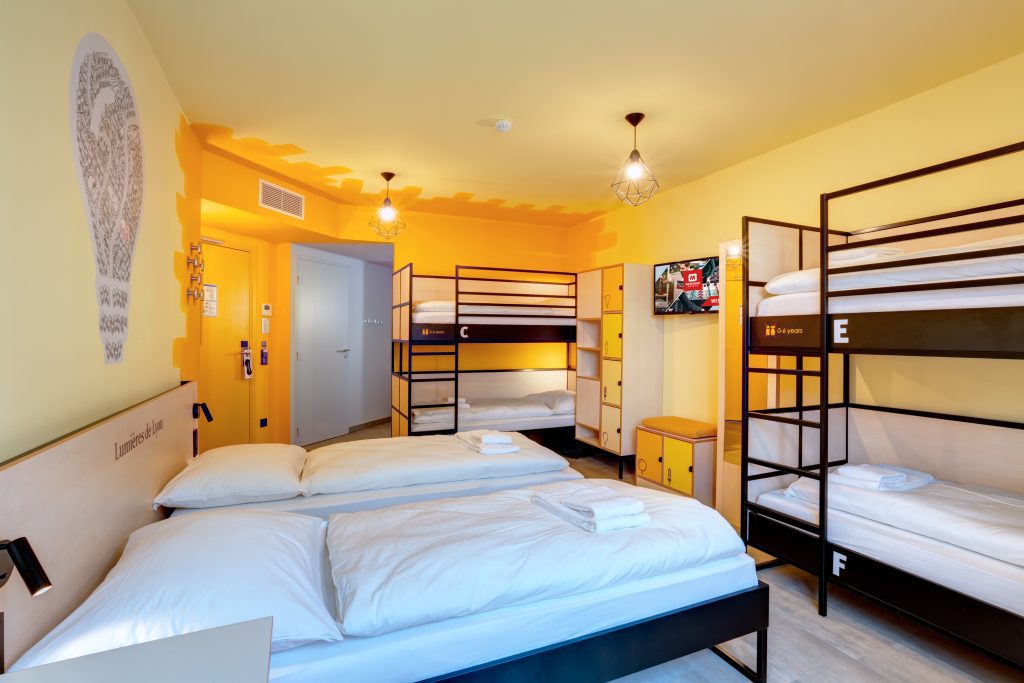
Dorms are the budget backbone of France on a budget, but the cheapest bed is not always the best value. A central, clean, comfortable dorm can save transport money, protect sleep, and make early trains less painful. Look for lockers, en-suite bathrooms, 24-hour reception, and a guest kitchen before getting distracted by a tiny saving far from the station.
MEININGER hotels sit in all 4 cities on this route: MEININGER Hotel Paris Porte de Vincennes, MEININGER Hotel Bordeaux Gare Saint-Jean, MEININGER Hotel Lyon Centre Berthelot, and MEININGER Hotel Marseille Centre La Joliette.
The social side matters too. A dorm with common areas gives you dinner companions, transport tips, and sometimes a spare charger when yours has made a dramatic exit. A guest kitchen can turn a market haul into dinner for a fraction of a restaurant meal, especially in Bordeaux and Lyon where food shopping is half the pleasure.
Safety tips for backpackers in France
- Travel insurance belongs in the budget, even for a short trip. It is not exciting, but it covers the boring disasters: lost bags, medical help, cancelled transport, and the phone that meets a pavement in Marseille. Save your policy number offline as well as in your email.
- Share your itinerary with someone at home before you leave. Include hotel names, city dates, and your main train or bus legs.
- Night buses and late trains can save money, but plan the arrival. Check how far the station is from your bed, whether local transport is still running, and what the walk looks like with luggage. Spending a little more to arrive before midnight is often better value than saving money and losing sleep.
- In dorms, use the locker, keep documents in the same zipped pouch, and charge devices near your bed only when you can keep them tucked away. A calm routine beats paranoia. Zip, lock, sleep, pastry.
Backpacking France on a budget: FAQs
When is the best time to do France budget travel?
April, May, September, and early October are the sweet spots for France budget travel. Those months usually bring lighter crowds, better bed availability, and lower pressure on accommodation than July and August. May is especially strong for Paris, Bordeaux, Lyon, and Marseille.
What is the cheapest way to get from the UK to France?
Eurostar is the cleanest budget move if you are starting in London, since it gets you from London St Pancras International to Paris Gare du Nord in a little over 2 hours. If you are flying from Manchester, Bristol, or Edinburgh, compare the full cost after bag fees and airport transport. Ferries can work for slower routes into Normandy, Brittany, or the southwest.
Is OUIGO good for backpacking France on a budget?
Yes, OUIGO is the low-cost train brand to check when your route is served. SNCF Connect is the main place to compare national rail options, so both are worth checking before booking. For east-west trips, buses and carpooling can sometimes fill gaps more cheaply than rail.
Which France cities work best for a cheap backpacking route?
The Paris to Bordeaux to Lyon to Marseille line gives you 4 very different French moods without crossing the country twice. Paris is the easiest arrival point, Bordeaux works well for long evenings, Lyon suits hill walks, and Marseille brings Mediterranean light. That mix keeps transport simpler than zigzagging across the map.
How can you keep food costs low while backpacking France?
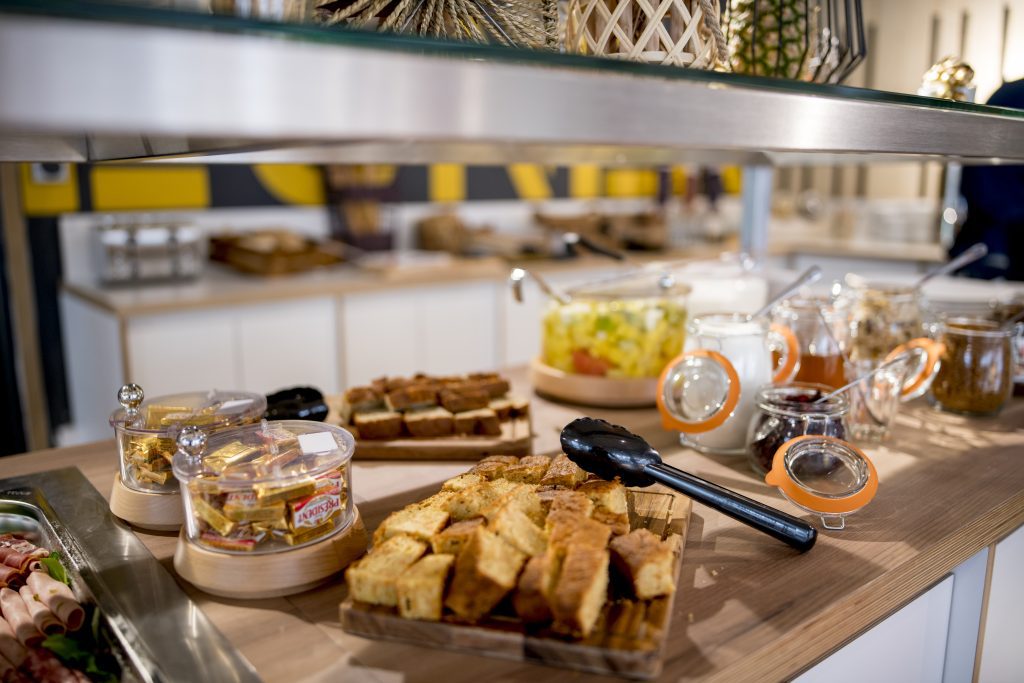
Use bakeries, markets, hostel kitchens, and lunch menus to keep food and drinks on a low cost. Supermarket picnics and free river walks help stretch the day budget without cutting out good meals. One proper local meal can still fit beside cheaper breakfasts and snacks.
Are Paris and Marseille too expensive for budget travelers?
Both cities can work on a budget if you book early and keep weekdays in play. Paris often needs the most planning, while Marseille can be friendlier outside peak dates and weekend spikes. Tuesday to Thursday dorm stays are a smart first search, especially around bank holidays or big sports fixtures.
What should you spend on activities in France if you are backpacking cheaply?
Set aside about €10 to €25 a day for activities if you want a mix of free viewpoints, parks, public art, and one booked sight. That leaves room for a museum or landmark without turning every day into a paid day. Spring and early autumn also make long walks and riverfront time more appealing.