Berlin · Food and Drink
Best cheap eats in Berlin
From hearty traditional German dishes to international cuisine, here’s a guide to the best cheap eats in...
Read more

Destination hub
Tier 1
Qiuck answer - visiting Berlin
Berlin’s got something for everyone: and we mean that. Whether you’re here for the world-class museums, the legendary nightlife, the street art scene, or just a really good currywurst at 2 AM, this city delivers every single time. It’s loud, creative, and full of history you can actually touch. From the Berlin Wall to the Brandenburg Gate, the past is everywhere: but so is the future. Berlin moves fast, stays up late, and never really stops surprising you. Ready to explore? Here’s everything you need to know before you go.
Tier 2
Berlin is packed with things to see and do: picking just a few feels almost unfair. But whether you’ve got a weekend or a full week, these are the spots and experiences you really shouldn’t skip. From iconic landmarks to offbeat discoveries, here’s your go-to list of the best things to do in Berlin.
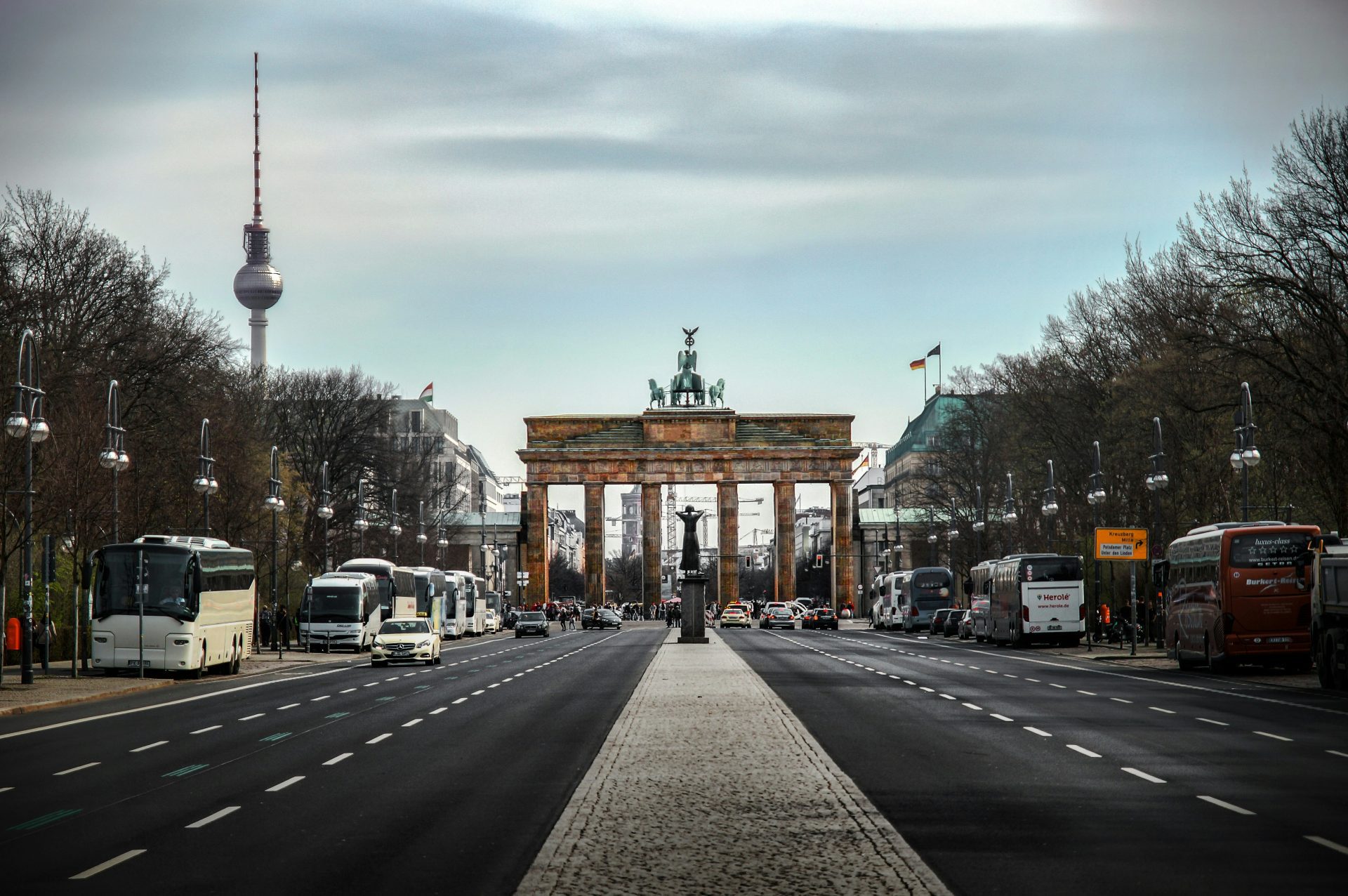
Brandenburg Gate: Berlin’s most iconic landmark and the ultimate photo stop. Go early morning to beat the crowds. Museum Island: Five world-class museums on one island in the Spree river. The Pergamon Museum alone is worth the trip. East Side Gallery: Over a kilometer of Berlin Wall turned open-air gallery. Don’t miss it. Checkpoint Charlie: The former Cold War border crossing between East and West Berlin, now a busy and fascinating stop. Reichstag Building: Book your spot on the glass dome for panoramic city views and a slice of political history. Tiergarten: Berlin’s answer to Central Park. Great for a morning run, a bike ride, or a lazy picnic afternoon. Berliner Dom: The city’s grand cathedral sits right on Museum Island and has a rooftop terrace worth climbing. Mauerpark: Every Sunday this park fills up with flea market stalls, food trucks, and outdoor karaoke. Pure Berlin vibes.
Tier 3
Each Berlin neighbourhood has a distinct personality. First-time visitors usually land in Mitte for proximity to the classic sights. Second-time visitors move to Kreuzberg or Neukölln for the food and nightlife. Travellers with kids prefer quieter Prenzlauer Berg. Friedrichshain puts you next to the East Side Gallery and the city’s best late bars.
Best for music & art
East Side Gallery, RAW-Gelände, Berghain. Home of MEININGER Hotel Berlin East Side Gallery.
Best for first-timers
Centre of the centre. Brandenburg Gate, Museum Island, Unter den Linden. Walkable, well-connected, polished.
Best for nightlife
Turkish food, street art, late bars, canal-side evenings. Rougher around the edges — in a good way.
Best for families
Tree-lined streets, cafés with playgrounds, independent shops. Quiet at night, brunch-perfect by day.
Only got a weekend? No worries: 48 hours in Berlin is more than enough to hit the highlights, eat well, and still squeeze in a few surprises. Here’s how to make every hour count.
Day 1 – Morning Start with breakfast at a local café in Mitte, then head straight to Museum Island. Give yourself at least two hours: the Pergamon Museum alone deserves a proper visit. Walk over to the Berlin Cathedral for rooftop views, then stroll along the Spree toward the East Side Gallery.
Day 1 – Afternoon Grab lunch in Friedrichshain: there are great spots near Simon-Dach-Strasse. Spend the afternoon exploring the East Side Gallery, then walk or cycle toward Checkpoint Charlie and the Topography of Terror. It’s heavy but important.
Day 1 – Evening Head to Kreuzberg for dinner. The street food around Markthalle Neun is hard to beat. Then follow the neighborhood’s bar scene: grab a beer at a canal-side spot and let the evening take you wherever it goes. Berlin nights have a way of doing that.
Day 2 – Morning Morning walk through Tiergarten before it gets busy, then up to the Reichstag dome (book in advance!). The views over Berlin are brilliant. Follow with a slow breakfast near Brandenburger Tor.
Day 2 – Afternoon Head north to Prenzlauer Berg and spend the afternoon at Mauerpark (especially lively on Sundays). Browse the flea market, grab food from the street stalls, and soak in the local atmosphere. It’s one of the most ‘Berlin’ things you can do.
Day 2 – Evening Your last evening in the city? Make it count. Rooftop drinks in Mitte or Mitte’s Hackescher Markt area, followed by dinner at one of the neighbourhood’s international restaurants. Berlin’s food scene has grown massively: you won’t run out of options.
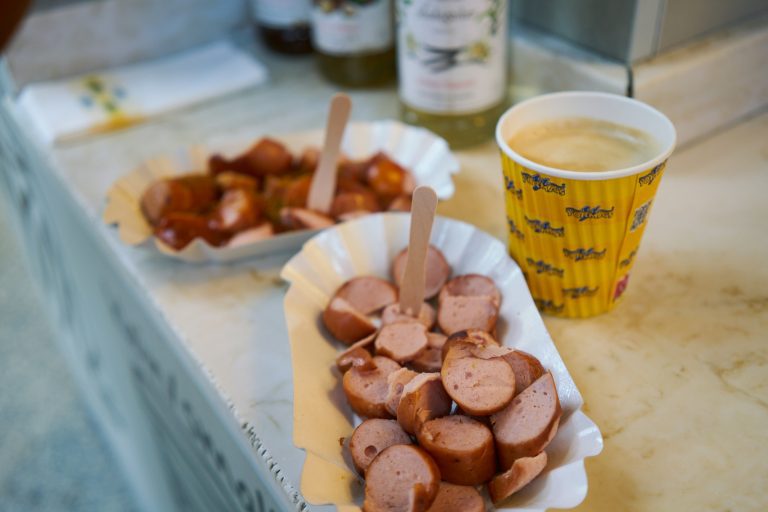
Berlin’s food scene has exploded over the last decade. From traditional German classics to some of the best international street food in Europe, you’ll eat incredibly well here: and you don’t need a big budget to do it. Here are the top spots and food experiences to put on your list. Currywurst: Berlin’s most iconic street food. Head to Curry 36 in Kreuzberg or Konnopke’s Imbiss in Prenzlauer Berg. Order yours mit Darm (with skin) for the full experience. Döner Kebab: Berlin has some of the best döner outside of Turkey. Mustafa’s Gemüse Kebap near Mehringdamm is legendary (yes, the queue is worth it). Pretzels and bread: German bakeries here are next level. Pick one up for breakfast and thank yourself later. Markthalle Neun (Kreuzberg): An indoor market with a rotating lineup of street food vendors. Thursday Street Food Thursday is the big one. Naschmarkt (Schöneberg): Great for fresh produce and snacks on the go. Arkonaplatz Market (Prenzlauer Berg): A Sunday flea market with food stalls that draw serious locals. Drinks Berlin’s bar scene is as diverse as the city itself. Whether you want craft beer on a canal, a natural wine bar in Neukölln, or cocktails on a rooftop in Mitte: it’s all here. And if you’re up for clubs, Berlin is genuinely in a league of its own.
Want the full list? There’s loads more to discover across the city. Explore the Berlin blog!
Got questions about visiting Berlin? Here are the answers to the ones travelers ask most often.
Yes, Berlin is generally a very safe city. Like any major capital, stay aware in crowded areas and on late-night public transport, but the city is welcoming and tourist-friendly across all its neighborhoods.
Late spring (May-June) and early autumn (September-October) hit the sweet spot: good weather, manageable crowds, and a packed events calendar. Summer is lively but busy; winter is great if you love Christmas markets and indoor culture.
A long weekend (3-4 days) covers the main highlights comfortably. To really get under the skin of the city: different neighborhoods, day trips, the nightlife: give yourself at least 5-7 days.
Not at all. English is widely spoken throughout Berlin, especially in hotels, restaurants, museums, and tourist areas. That said, a few words of German always go down well with locals.
By Western European capital standards, Berlin is very affordable. Accommodation, food, and transport are all reasonably priced, and there are dozens of free things to do. You can have a brilliant trip on a modest budget.
Germany uses the Euro (€). Cards are widely accepted, but some smaller cafés, bars, and market stalls are cash-only: it’s worth carrying a few euros just in case.
From BER (Berlin Brandenburg Airport), the Airport Express (FEX) and S-Bahn S9/S45 take you to the city center in about 30-45 minutes. Taxis are available but much pricier.
Absolutely. Berlin is one of Europe’s most budget-friendly cities. Free museums on select days, cheap street food, affordable public transport, and a hostel-hotel scene that won’t break the bank.
Berlin is one of the most LGBTQ+-friendly cities in the world. Schöneberg is historically the heart of the community, but queer culture is visible and celebrated all across the city.
Comfortable walking shoes are essential: Berlin is a big city and you’ll cover a lot of ground. Pack layers as weather can be unpredictable, especially in spring and autumn. An umbrella is always a good call.