

If you’re wondering what to eat in Bordeaux, start with canelés, Arcachon oysters, entrecôte à la bordelaise, duck, cèpes, and a proper cheese or charcuterie board with Bordeaux wine. MEININGER Hotel Bordeaux Gare Saint-Jean sits 600 m from the main train station, so a market breakfast before 9 AM and a late apéro by the Garonne are both easy wins.
Ready to discover what to eat in Bordeaux?
Let’s go!
🍽️ 👩🏻🍳 🍲
What to eat in Bordeaux first: the local classics
Bordeaux sits in southwest France, so the table changes from the butter-and-cream mood of Normandy or the olive-oil snap of Provence. Here, the cooking leans toward the Atlantic, the Gironde estuary, duck country, mushrooms from nearby forests, and red wine sauces that make steak feel like a local ceremony.
Not every dish you see in Bordeaux is strictly born inside the city limits. Some come from the wider Gironde, the Médoc, Arcachon Bay, Périgord, or the Basque-influenced southwest. That mix is exactly what makes a proper Bordeaux food guide useful: you need to know what is Bordeaux-specific, what is regional, and what simply tastes right after a long walk along the quays.
Entrecôte à la bordelaise
This is the steak order to learn first. Entrecôte à la bordelaise usually means rib steak served with a red wine, shallot, and bone marrow sauce. In old-school rooms, it may arrive with fries and a sauce dark enough to remind you that Bordeaux is wine country before it is anything else.
Arcachon oysters
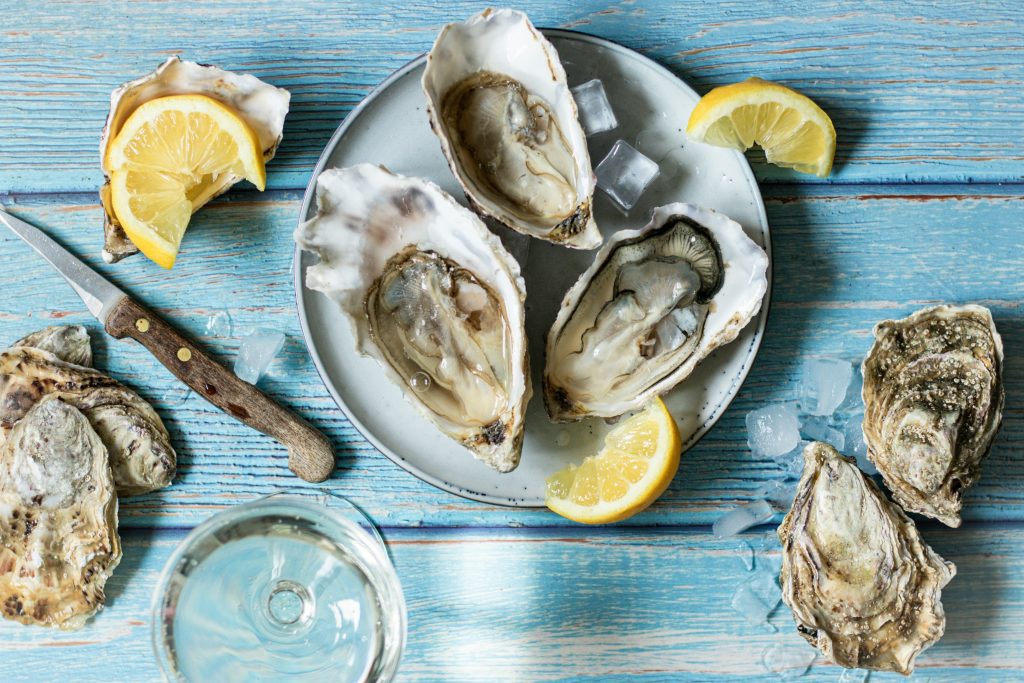
Oysters from the Bassin d’Arcachon are the city’s salty counterpoint to all that red wine. They are served simply, often with lemon, rye bread, and butter. The Arcachon tourism office calls oysters the real star of the bay, and Bordeaux markets prove the point by late morning.
Lamproie à la bordelaise
Lamprey in red wine sauce is one for curious eaters. It is an old Gironde estuary dish, rich, dark, and not shy. Fresh lamprey is seasonal, so if it appears as a preserved jar or a special on a menu, treat it as a rare local taste rather than an everyday order.
Duck and foie gras
Duck is more southwest than Bordeaux-only, but it belongs on the table here. Magret de canard, duck breast, is the easier order. Foie gras usually appears as a starter, often with toast, chutney, or a sweet wine pairing.
Cèpes and other market mushrooms
Cèpes are prized across the region, especially in autumn. They may turn up with eggs, in a pan sauce, or beside grilled meat. If you see “aux cèpes” on a chalkboard, that is a strong hint that the kitchen is paying attention to the season.
Grenier médocain
This peppery pork charcuterie comes from the Médoc, north of Bordeaux. It is sliced thin and eaten cold, often as part of a board. Order it if you like rustic flavors and want something more local than standard saucisson.
Sweet Bordeaux: canelés, pastries, and small desserts
The canelé answers the question “what food is Bordeaux famous for?” faster than any menu. It is small, fluted, caramelized outside, soft inside, and perfumed with vanilla and rum. Bordeaux Tourisme describes La Toque Cuivrée as a canelé specialist, and you will see shops across the city selling them by the piece or by the box.
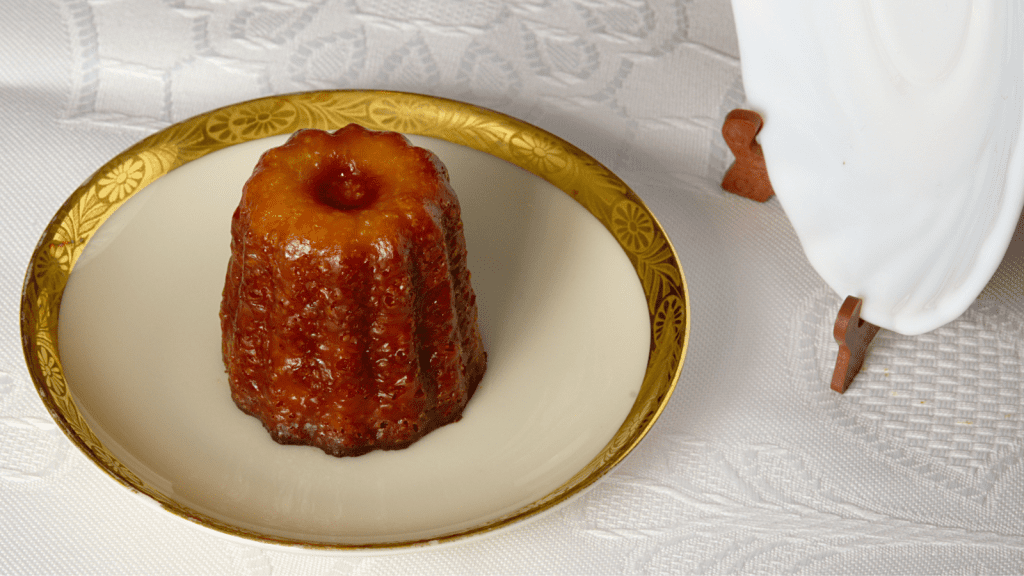
A good canelé should be dark, not pale. The crust gives a little crackle, then the center turns almost custardy. If you want a price anchor, PM Pâtissier Bordelais lists its canelé at €1.90, so this is one of the easiest local treats to try without turning lunch into a project.
Other sweets deserve a place in your bag. Dunes blanches, cream-filled choux pastries associated with Cap Ferret, travel well for a riverside snack. Macarons de Saint-Émilion are almond biscuits from the famous wine village, firmer and more old-fashioned than the colorful Paris-style macarons you may know.
Savory snacks and Bordeaux street food
Bordeaux street food is less about one famous handheld dish and more about markets, bakery counters, food halls, and apéro plates. For a cheap lunch, look for a jambon-beurre sandwich, a slice of quiche, a tartine, or a savory pastry from a boulangerie. Add fruit from a market stall and you have a meal that still leaves room for dinner.
The city’s best snack rhythm starts at Marché des Capucins, nicknamed the belly of Bordeaux. The official tourism listing gives 81 stalls and opening times from Tuesday to Friday, 6 AM to 2 PM, and Saturday to Sunday, 5:30 AM to 2:30 PM. Go before noon for the liveliest choice and before the lunch rush if oysters are the plan.
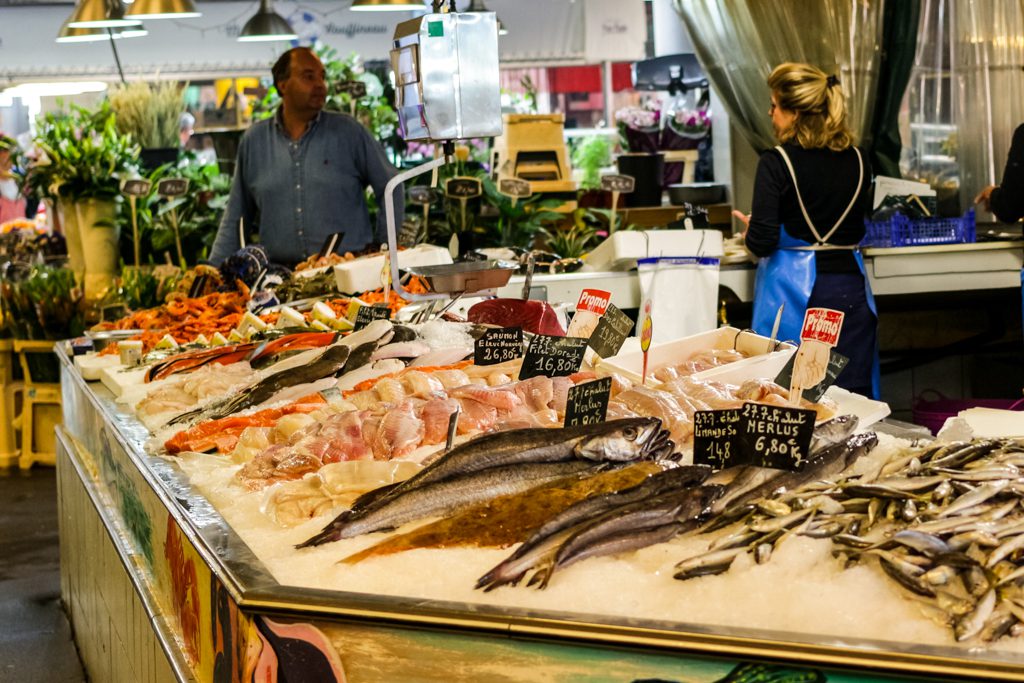
For a later grazing session, Les Halles de Bacalan near La Cité du Vin is useful because it opens Tuesday to Saturday from 8 AM to 11 PM and Sunday from 8 AM to 5 PM. It works well when you want several small plates instead of one sit-down meal. The caveat: food halls cost more than a bakery lunch, so use them for variety rather than strict penny-saving.
What to order by time of day
A short trip to Bordeaux gets easier when meals have a plan. Breakfast can be quick, lunch should belong to the market, and apéro is the moment for wine, cheese, and a plate to share. Dinner is when the heavier classics make sense.
| Best for | Order this | Where to look |
|---|---|---|
| Breakfast | Un canelé and coffee | Canelé shops, bakeries near tram stops |
| Market lunch | Des huîtres, cheese, charcuterie, bread | Marché des Capucins |
| Budget eats | Un sandwich, une quiche, or une part de tarte salée | Boulangeries and market counters |
| Apéro | Une planche mixte with Bordeaux wine | Wine bars around Saint-Pierre and Chartrons |
| Classic dinner | Entrecôte à la bordelaise or magret de canard | Bistros, brasseries, bouchon bordelais-style rooms |
Useful French is short and friendly. Say “sur place” if you are eating there, “à emporter” if you are taking it away, and “une carafe d’eau, s’il vous plaît” for tap water. For oysters, “une douzaine” means a dozen and “un verre de blanc sec” gets you a dry white by the glass.
What food goes with Bordeaux wine?
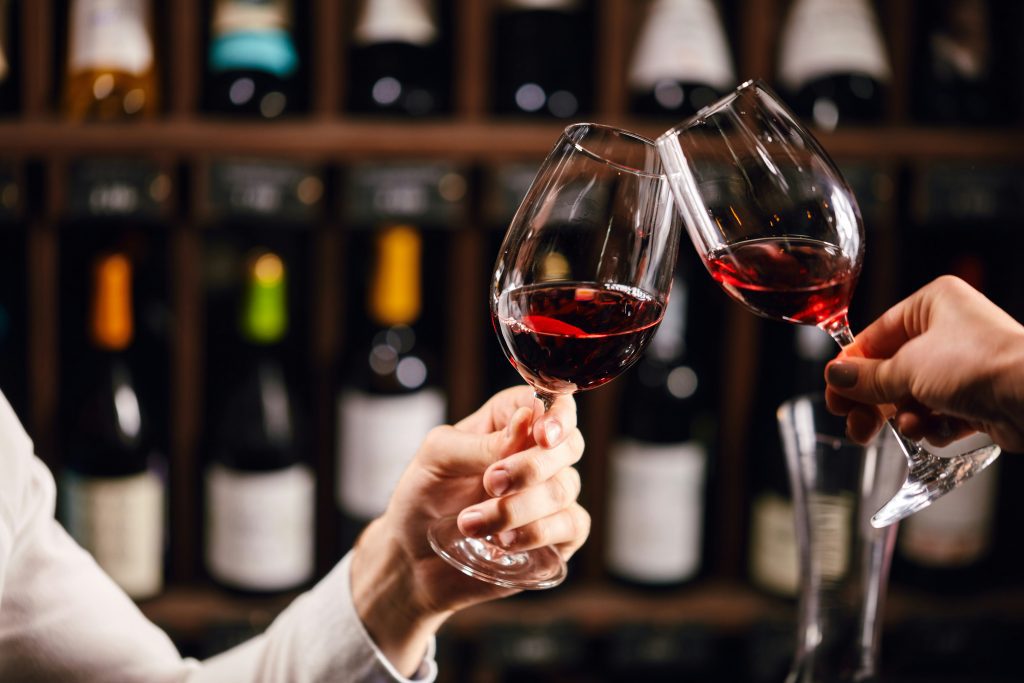
Red Bordeaux loves fat, salt, and protein. That is why entrecôte, duck, lamb, mushrooms, aged cheese, and charcuterie make so much sense here. The official Bordeaux wine site notes that red Bordeaux served slightly chilled can work with charcuterie, which is handy during warm evenings when a heavy red feels like a big commitment.
Dry white Bordeaux is the friend of oysters, seafood, goat cheese, and lighter market plates. Sweet Bordeaux styles, especially from nearby Sauternes and Barsac, are classic with foie gras and blue cheese. If you do not know what to pick, ask for “un accord local” and let the server match the glass to the dish.
Wine bars are also the easiest place to try Bordeaux without a formal tasting. Order one glass from the Left Bank if you like firmer reds, or ask for a softer Right Bank Merlot-led style if you want something rounder. For more wine-country planning after lunch, pair this food route with things to do in Bordeaux.
Where to find the best local food in the city
Saint-Michel and Capucins are best for market eating. Start at Marché des Capucins, then walk toward Saint-Michel for coffee, spices, casual bites, and streets that feel lived-in. This area is especially good if you want Bordeaux food without white tablecloths.
Saint-Pierre is the classic dinner zone. The lanes around Place du Parlement and Rue Saint-Rémi are packed with brasseries, wine bars, and bistros. Menus can be uneven in the busiest lanes, so look for short chalkboard menus, regional words like “cèpes” or “grenier médocain,” and rooms where people are still finishing lunch after 1:30 PM.
Chartrons is the wine-and-grazing choice. Come for apéro, order a board, and then wander toward the river. If the day has been built around surf, sand, or the Atlantic coast, the food mood pairs nicely with surf in Bordeaux for the next outing.
Bacalan works when different appetites need one table. Les Halles de Bacalan is practical before or after La Cité du Vin, especially if one person wants seafood and another wants something crispy, cheesy, or fast. From MEININGER Hotel Bordeaux Gare Saint-Jean, the tram keeps these food stops simple without needing a car.
A simple 24-hour Bordeaux food plan
Start with coffee and a canelé near your tram stop. Late morning, go to Marché des Capucins for oysters or a market plate, then save dessert for a second canelé from a different shop. This is serious research, obviously.
In the afternoon, walk the Garonne and stop for a small sweet or an ice cream if the weather is hot. Around 6 PM, switch to apéro mode with a glass of Bordeaux and a planche mixte. Dinner can then be lighter, unless the words “entrecôte à la bordelaise” appear on a menu that smells convincingly of shallots and grilled meat.
If you have a second day, take the train toward Arcachon for oysters close to the bay, or stay in the city and make Capucins your breakfast-lunch hybrid. Go before 11 AM, order “des huîtres et un verre de blanc sec,” and let Bordeaux do the rest.
What to eat in Bordeaux FAQs
What food is Bordeaux famous for?
Canelés are the fast answer, and the city treats them as a signature sweet. Bordeaux is also known for Arcachon oysters, entrecôte à la bordelaise, and market plates that pair naturally with local wine.
Where should you go for a food market in Bordeaux?
Marché des Capucins is the key stop, with 81 stalls and the liveliest choice before noon. The official tourism listing gives opening times from Tuesday to Friday, 6 AM to 2 PM, and Saturday to Sunday, 5:30 AM to 2:30 PM.
How much does a canelé cost in Bordeaux?
PM Pâtissier Bordelais lists a canelé at €1.90. That makes it an easy local treat to try without committing to a full dessert stop.
What is entrecôte à la bordelaise?
Entrecôte à la bordelaise is rib steak served with a red wine, shallot, and bone marrow sauce. It often arrives with fries, and it fits Bordeaux’s wine-country mood very well.
Are Arcachon oysters easy to find in Bordeaux?
Arcachon oysters are served simply in Bordeaux, usually with lemon, rye bread, and butter. They show up in markets by late morning, so they work well as a lunch stop or an apéro snack.
What time should you eat at Marché des Capucins?
Go before noon for the liveliest choice and before the lunch rush if oysters are the plan. The market opens as early as 5:30 AM on Saturday and Sunday, which gives you plenty of breathing room.
Is Bordeaux street food good for a cheap lunch?
Yes, Bordeaux street food often means a jambon-beurre sandwich, quiche, tartine, or a savory pastry from a boulangerie. Add fruit from a market stall and you have a low-cost lunch that still leaves room for dinner.
Where can you stay if you want easy access to Bordeaux food spots?
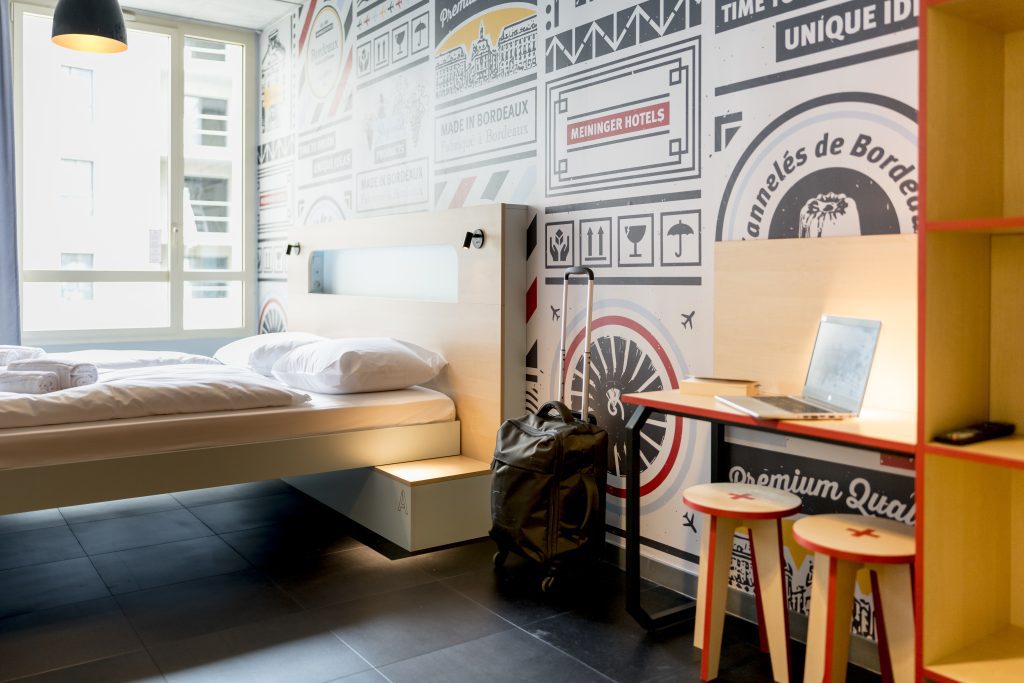
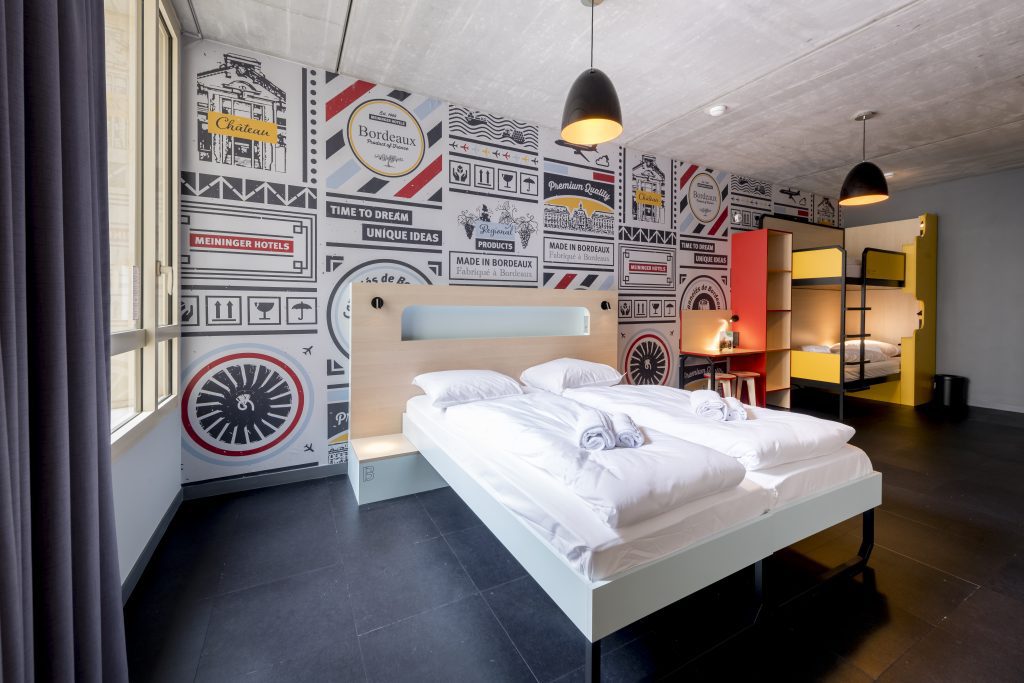
MEININGER Hotel Bordeaux Gare Saint-Jean sits 600 m from the main train station, which makes early market visits and late evenings by the Garonne easy to plan. That location works well if you want breakfast before 9 AM and an apéro later in the day.