

Rome on a budget is absolutely doable, and the best part? The most memorable experiences often have nothing to do with the big-ticket sights. Local markets, neighborhood bars, hidden piazzas, and free church art galleries make up the real fabric of the city. This guide skips the obvious and helps you discover a Rome that most visitors walk straight past.
Ready to explore Rome for less? Let’s go!
🗺️🍕🏛️
Can you do Rome on a budget?
Yes, and often the budget version of Rome is actually the better one. Skip the overpriced restaurants next to the Colosseum and you’ll end up in a tiny trattoria where the regulars know the owner’s name. Avoid the souvenir stalls and you’ll find a Sunday flea market where locals genuinely shop. Rome rewards curiosity, and curiosity is free.
The city does have its expensive moments, especially around the major tourist corridors. But step away from those, and you’re in a city that’s very liveable on a modest daily budget. The key is knowing which neighborhoods to explore, where locals actually eat, and how to access some genuinely great art and culture without paying for it.
What to do in Rome on a budget
Get lost in Pigneto
Pigneto is one of Rome’s most interesting neighborhoods and still largely off the tourist trail. It’s a working-class area that’s gradually become a hub for artists, young Romans, and independent businesses. The main drag, Via del Pigneto, is lined with bars, vintage shops, and street art. Come in the evening for aperitivo hour, when a drink often comes with a spread of free snacks. It’s the kind of neighborhood that feels genuinely alive.
Spend a morning at Porta Portese
Every Sunday morning, the Porta Portese flea market takes over the Trastevere riverbank. It’s one of Rome’s oldest and most authentic markets, stretching for well over a kilometer with stalls selling vintage clothing, old books, vinyl records, secondhand furniture, and plenty of things that are hard to categorize. Arrive before 9 AM to beat the crowds. Bring cash and be prepared to negotiate.
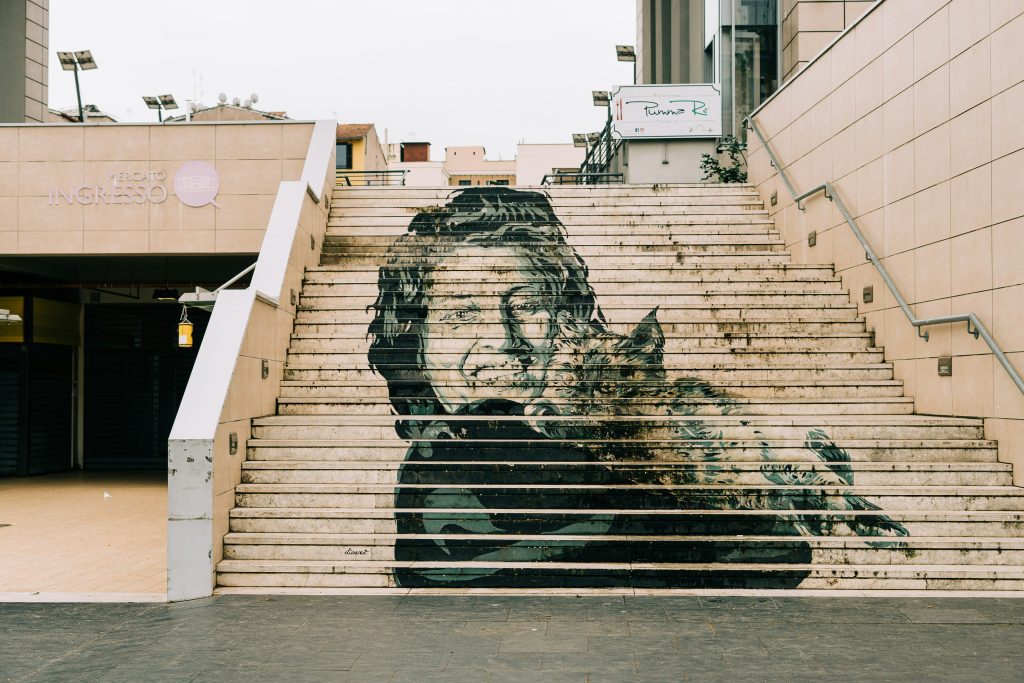
Browse the Mercato Trionfale
Near the Vatican but almost entirely missed by visitors, the Mercato Trionfale is one of Rome’s largest covered food markets. It’s a working market, not a tourist attraction, which means the prices are local prices and the atmosphere is genuinely Roman. Go in the morning for the best produce, and pick up everything you need for a picnic.
Explore the Testaccio neighborhood
Testaccio is the neighborhood Romans go to eat. It’s built on the site of the city’s old slaughterhouse, and its food culture reflects that history in the best possible way. The Testaccio Market (Mercato di Testaccio) is a covered local market where you’ll find fresh produce alongside food stalls selling supplì, offal sandwiches, fried artichokes, and Roman street food that has nothing to do with tourist menus. It’s one of the most authentic food experiences in the city.
Visit the Pigneto and Ostiense street art scene
The area around Ostiense and Pigneto has some of the best street art in Rome. The former industrial zone near Ostiense station features large-scale murals by Italian and international artists. You can walk this area for free and it makes for a very different kind of Rome experience compared to the usual itinerary.
Explore Garbatella
Garbatella is a fascinating neighborhood that most visitors never reach. It was built in the 1920s as a planned workers’ community and still has a tight-knit, village-like feel. The architecture is unlike anything else in Rome, a mix of garden city planning and Roman baroque influences. Wander the courtyards, sit in the piazzas, and get a coffee at one of the local bars. Nobody here is expecting tourists.
Walk along the Appian Way on a Sunday
On Sundays, a stretch of the ancient Via Appia Antica is closed to cars, and Romans come out in force to cycle, walk, and picnic alongside 2,000-year-old ruins. It’s one of the most atmospheric free experiences in Rome, combining ancient history with a very local, relaxed Sunday vibe. Rent a bike from one of the nearby stalls for maximum effect.
Free museums and galleries in Rome
The churches as art galleries
This deserves more attention than it usually gets. Rome’s churches are filled with world-class art, and almost all of them are free to enter. San Luigi dei Francesi has three Caravaggio paintings in a side chapel, including The Calling of Saint Matthew. Santa Maria del Popolo has two more Caravaggios plus a Raphael. Sant’Agostino has another Caravaggio. These works would be centerpieces of major museums anywhere else in the world. Here they’re lit by natural light in working churches you can walk into for free.
Museo Carlo Bilotti
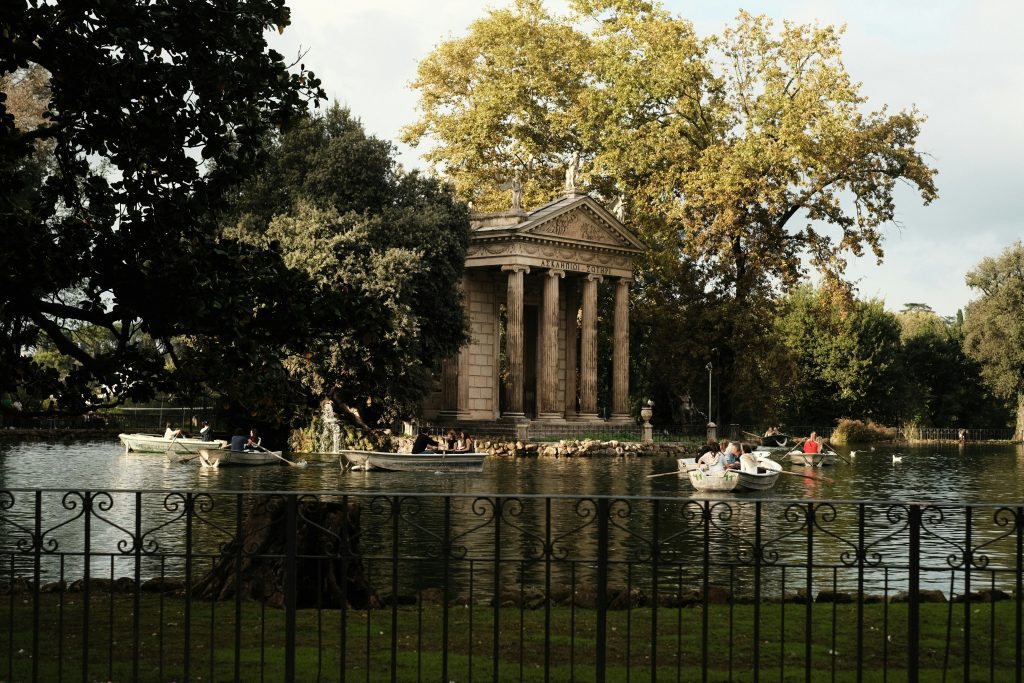
Inside the Villa Borghese park, this small museum has a permanent collection including works by Giorgio de Chirico and Andy Warhol. It’s free, rarely crowded, and consistently overlooked.
Museo Pietro Canonica
Also inside Villa Borghese, this is the former home and studio of the sculptor Pietro Canonica. It’s a genuinely lovely space, full of his work and personal belongings, and it’s always free.
The first Sunday of every month
Italy’s national museums offer free admission on the first Sunday of every month. In Rome this includes the Colosseum, Roman Forum, Baths of Caracalla, Castel Sant’Angelo, and the National Museum of Rome. If you can arrange your trip around this date, you’ll save significantly on the city’s pricier attractions. Go early, as lines build up.
Free things to do and free attractions in Rome
| Free attraction | What to expect |
|---|---|
| Porta Portese market | Rome’s biggest Sunday flea market, authentic and vast |
| Testaccio Market | Covered local food market, great street food stalls inside |
| Mercato Trionfale | Large working food market near the Vatican, very local |
| Pigneto neighborhood | Street art, aperitivo bars, independent shops |
| Ostiense murals | Large-scale street art in a former industrial area |
| Garbatella | 1920s workers’ neighborhood, fascinating architecture |
| Via Appia Antica (Sunday) | Ancient road closed to cars, great for cycling and walking |
| Villa Borghese gardens | Free park in central Rome, two free museums inside |
| San Luigi dei Francesi | Three Caravaggio paintings, free entry |
| Santa Maria del Popolo | Two Caravaggios and a Raphael, free entry |
How much money do I need for 4 days in Rome?
The honest answer is: it depends on your travel style. What makes the biggest difference to your overall spend is accommodation. Getting that right frees up budget for food and experiences.
Beyond accommodation, the main variables are how you eat and how many paid attractions you visit. Rome’s national museum entry fees add up quickly if you’re visiting several in a row, which is why the free first Sunday scheme is worth building your trip around. Eating at local spots, markets, and street food stalls rather than tourist-facing restaurants also makes a meaningful difference.
The main costs to plan for across 4 days in Rome:
- Accommodation (your biggest outlay)
- Food and drink (very manageable if you eat like a local)
- Local transport (affordable with a multi-day pass)
- Attraction entry fees (easy to reduce with free Sundays and free churches)
Budget travelers who eat smart, explore local neighborhoods, and take advantage of Rome’s many free cultural experiences can have a genuinely great trip without spending heavily.
Budget tips for eating in Rome
Go to Testaccio for food
This is where Romans eat. The market stalls inside Mercato di Testaccio serve some of the best and most affordable food in the city. Try a supplì, a fried artichoke, or a sandwich made with slow-cooked offal if you’re feeling adventurous.
Eat at a tavola calda
These self-service lunch spots serve hot Roman dishes by weight or by the plate. They’re filling, affordable, and completely local.
Take advantage of aperitivo
In Pigneto and other local neighborhoods, ordering a drink during aperitivo hour often comes with free snacks. It’s a very Italian way to eat cheaply and well in the early evening.
Stand at the bar
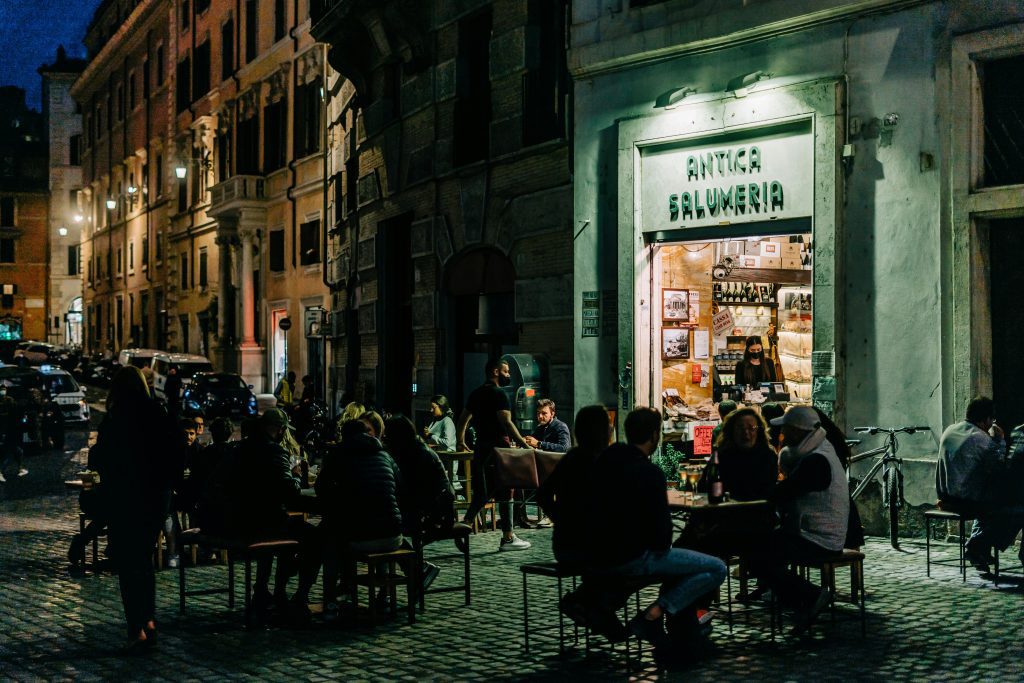
Coffee at the counter is the Roman way and noticeably cheaper than sitting down. It’s also faster and more fun.
Shop at local markets
Mercato Trionfale and the neighborhood markets in Testaccio and Prati sell fresh produce, cheese, and prepared foods at local prices. Pick up supplies for a picnic in Villa Borghese or along the Appian Way.
Avoid the tourist corridors
Restaurants within eyesight of the Colosseum, Vatican, or Trevi Fountain charge tourist prices. Walk two or three streets away and everything changes.
Budget tips for getting around Rome
Walk as much as you can
The historic center is very walkable, and wandering without a destination is one of the best ways to find the city’s less obvious corners.
Use buses and the metro
Single-journey tickets cover bus, tram, and one metro journey within a set time window. Multi-day passes offer better value if you’re moving around regularly.
Rent a bike for the Appian Way
On Sundays, the ancient road is car-free. Bike rental near the entrance is affordable and makes the whole experience significantly better.
Plan your airport transfer in advance
Regional trains from Fiumicino are much cheaper than taxis. Check the Trenitalia website for timetables and fares before you travel.
Rome on a budget: the local's guide FAQs
Can you do Rome on a budget?
Yes, easily. Rome has a huge amount to offer beyond the paid attractions, including free church art galleries, local markets, interesting neighborhoods, and a Sunday flea market that's one of the best in Europe. With smart choices on food and accommodation, a 4-day trip is very achievable on a modest budget.
What are the best free things to do in Rome beyond the main sights?
Some of the best free experiences in Rome include the Porta Portese flea market on Sunday mornings, the Testaccio neighborhood and its covered food market, street art in Ostiense and Pigneto, the Caravaggio paintings in San Luigi dei Francesi and Santa Maria del Popolo, free cycling along the Appian Way on Sundays, and wandering the 1920s architecture of Garbatella.
Which museums in Rome are free?
On the first Sunday of every month, Italy's national museums offer free entry, including the Colosseum, Roman Forum, Baths of Caracalla, and Castel Sant'Angelo. Year-round free options include Museo Carlo Bilotti, Museo Pietro Canonica, and Rome's many churches, which together contain an extraordinary amount of free world-class art.
How much money do I need for 4 days in Rome?
It depends on your travel style. The key variables are accommodation, food choices, and how many paid attractions you visit. Budget travelers who eat at markets and local spots, take advantage of the free first Sunday museum scheme, and explore off-the-beaten-track neighborhoods can keep costs very manageable.
What is the Porta Portese market?
Porta Portese is Rome's largest and most famous flea market, held every Sunday morning along the Trastevere riverbank. You'll find vintage clothing, old books, vinyl records, antiques, and general secondhand goods. It's completely free to browse and is one of the most authentic local experiences in the city.
Where do locals eat in Rome?
Testaccio is the neighborhood most associated with traditional Roman food culture. The covered Mercato di Testaccio has affordable stalls serving supplì, fried artichokes, and Roman street food. Tavola calda spots across the city offer affordable hot meals at lunchtime. Aperitivo bars in Pigneto often serve free snacks with drinks in the early evening.
What is the first Sunday free museum scheme in Rome?
On the first Sunday of every month, Italy's state-owned museums open for free. In Rome this covers the Colosseum, Roman Forum, Baths of Caracalla, Castel Sant'Angelo, and National Museum of Rome locations. Lines are longer than usual, so arrive early.
Is Rome easy to explore on foot?
Yes. The historic center is compact and very walkable. Some of the best budget experiences in Rome, like getting lost in Garbatella or walking the Appian Way, require nothing more than comfortable shoes and time.
What is the cheapest way to get from the airport to Rome?
The regional train from Fiumicino Airport is significantly cheaper than a taxi. Check the Trenitalia website for current timetables and fares before you travel.
Where should I stay in Rome on a budget?
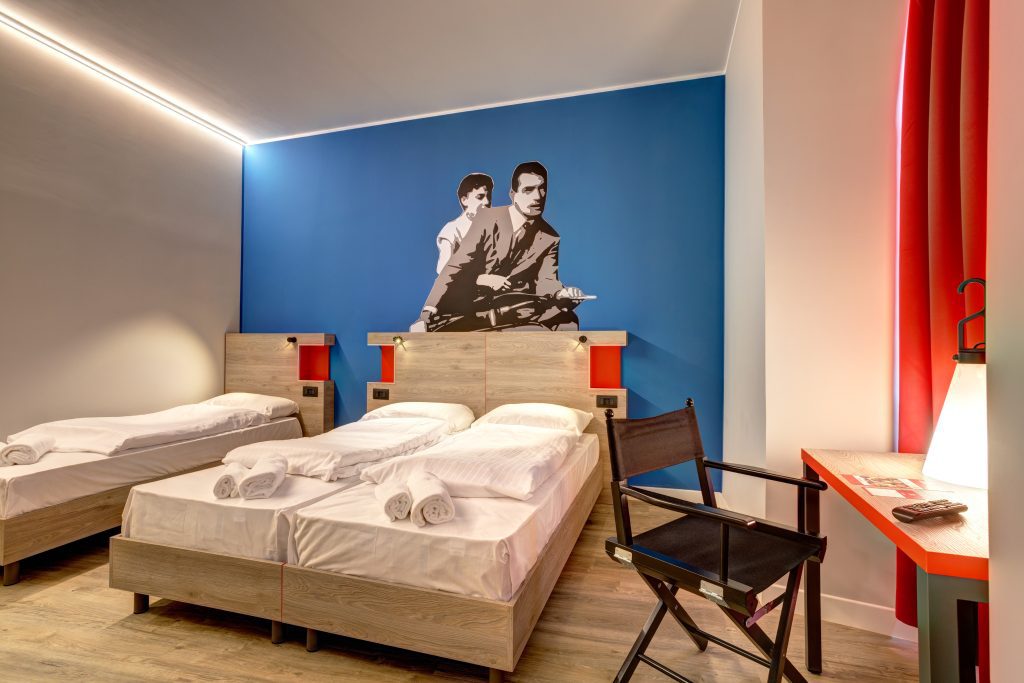
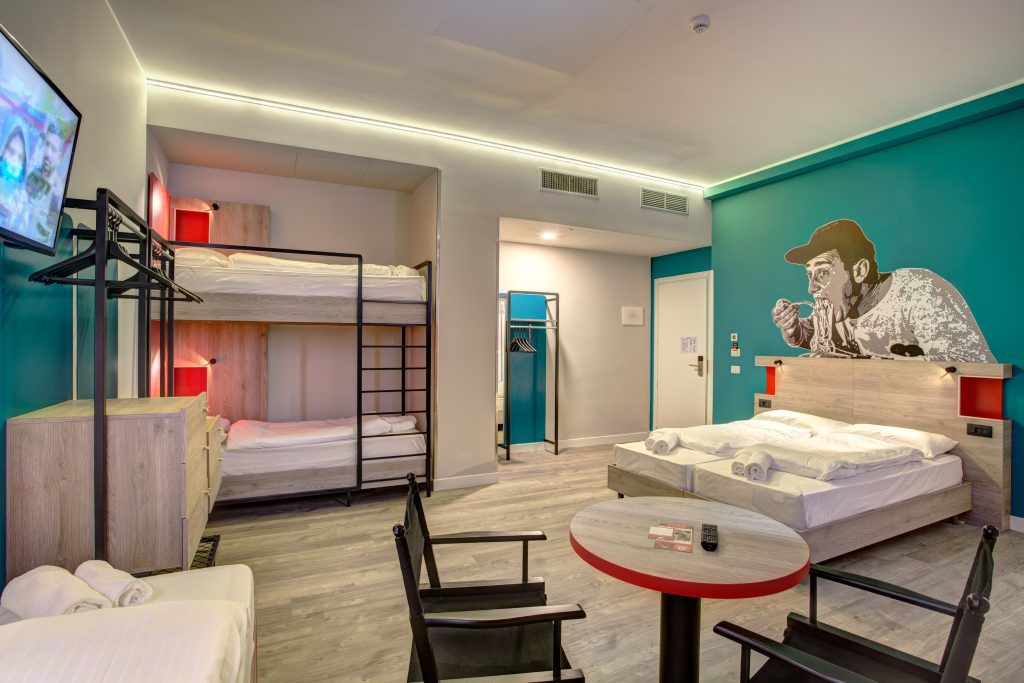
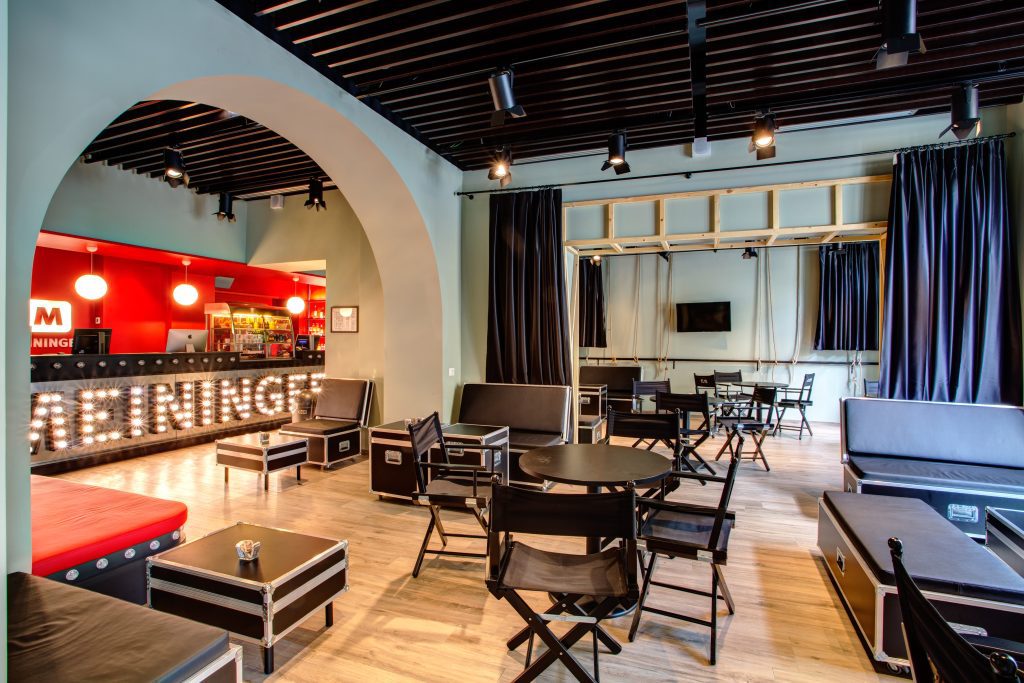
The area around Roma Termini gives you excellent transport connections, affordable eating options nearby, and easy access to neighborhoods like Testaccio and the Appian Way. MEININGER Hotel Roma Termini is a practical, comfortable, and affordable base for travelers who want to explore the city without overspending on accommodation.