
10 Fun Facts about Vienna You Probably Didn’t Know
Most people picture Vienna as opera houses, coffee, and imperial palaces. All true, but the city’s history is full of quirky detours: a fake enemy crescent that became a breakfast staple, a lightbulb experiment that turned into a Christmas classic, and a sausage naming dispute that’s still unresolved. These are the stories that make Vienna more than a checklist of museums, and they’re a fun way to break the ice with locals over a coffee or a beer.
Scroll down to learn some fun facts about Vienna!
👇👇👇
#1 Vienna is known as the city of dreams
Sigmund Freud, the father of psychoanalysis, lived and worked in Vienna for almost 50 years. Thanks to him, the city is often called the birthplace of psychotherapy. You can visit the Sigmund Freud Museum, set up in the apartment where he saw patients and developed his theories.
#2 Vienna has the world’s oldest zoo that’s still open
The Vienna Zoo sits in the gardens of Schönbrunn Palace and dates back to 1752. It’s home to over 700 animal species today and regularly ranks among Europe’s best zoos, partly thanks to its original baroque architecture.
#3 Vienna hosts over 300 balls every year
Viennese Ball Season runs from January through March, and the city takes it seriously. The Opernball at the Vienna State Opera has been running since 1877, the Philharmonic Ball features the Vienna Philharmonic Orchestra, and the Blumenball is known for its elaborate flower displays.
#4 Vienna’s Ferris wheel is the oldest one still running
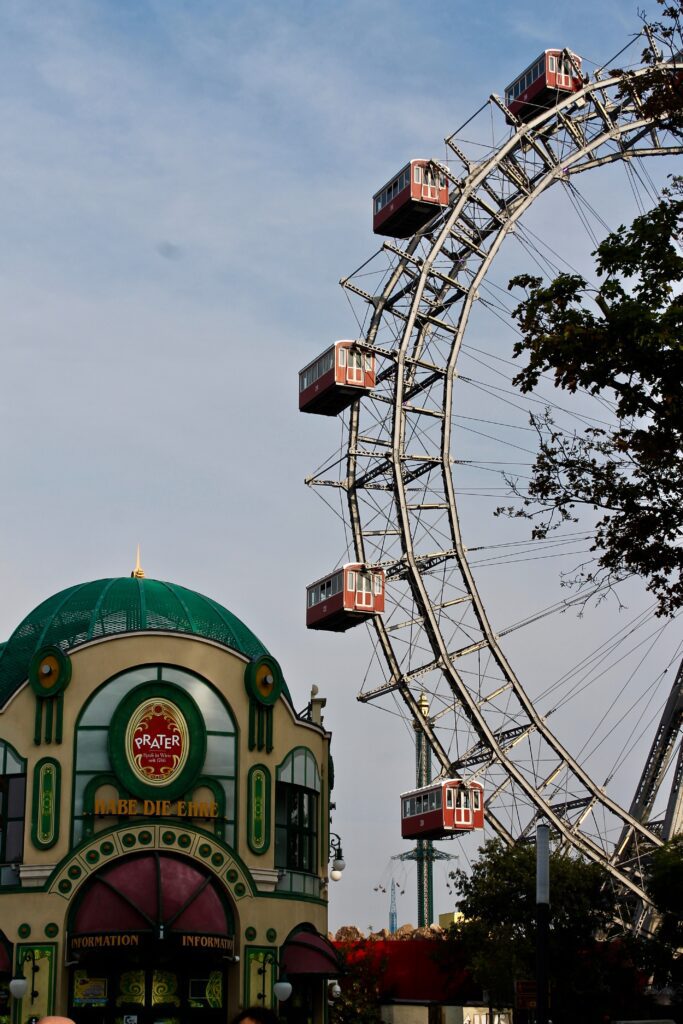
The Wiener Riesenrad in the Prater amusement park has been turning since 1897. It’s one of the city’s most photographed landmarks, and a ride gives you sweeping views over Vienna’s rooftops.
#5 The croissant actually comes from Vienna
The buttery, flaky croissant you know from Paris started as an Austrian pastry called Kipferl, meaning “crescent” in German. Viennese bakers created it to mark Austria’s victory over the Ottoman Turks in 1683, shaping it after the crescent on their enemy’s uniforms. When Marie Antoinette married France’s King Louis XVI, she brought her favorite pastry with her, and the French took it from there.
#6 The snow globe was invented in Vienna
In 1900, Erwin Perzy was trying to improve the brightness of surgical lightbulbs using water and semolina flakes when he stumbled onto the first snow globe. It featured the Basilica of Mariazell. He and his brother opened Original Vienna Snow Globes in 1905, and it’s still running today.
#7 Sachertorte was invented for a prince, not a president
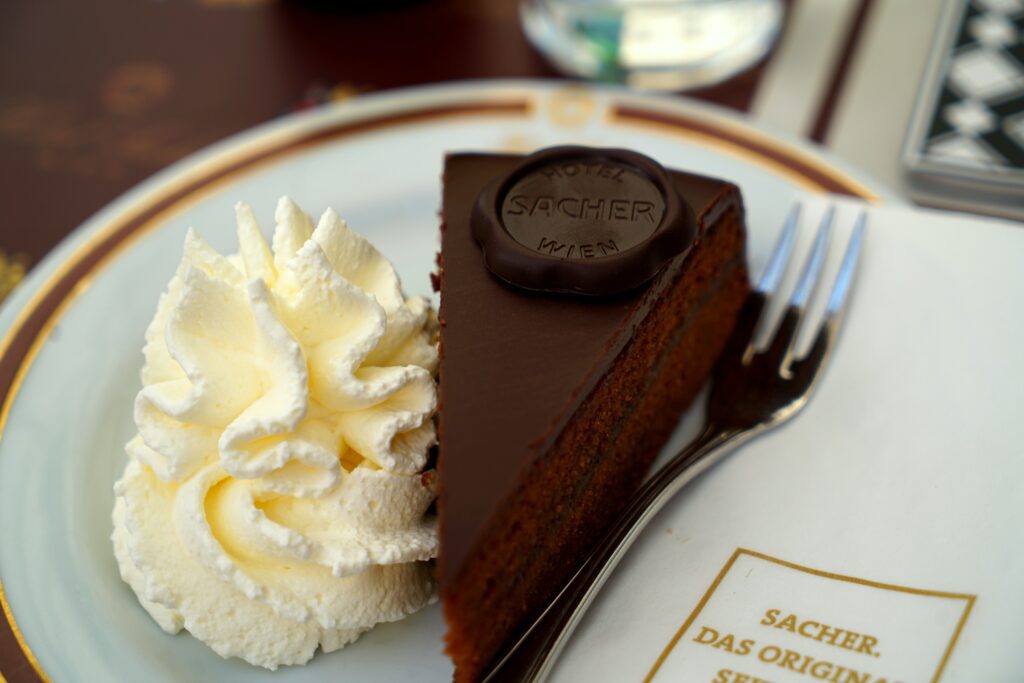
This world-famous chocolate and apricot cake was created in 1832 by a 16-year-old apprentice, Franz Sacher, for Prince Wenzel von Metternich. It’s still served at Hotel Sacher, and the original recipe is a closely guarded secret.
#8 Nobody agrees on what to call a hot dog
According to local legend, the inventor of the sausage was a butcher from Frankfurt who later moved to Vienna. Today, Austrians call it a Frankfurter, while people in Frankfurt call the same sausage a Wiener. Neither side is backing down.
#9 More than half of Vienna is green space
Parks, forests, vineyards, and the Danube’s riverbanks cover over half of the city’s total area. That’s a big reason Vienna is so walkable and why locals treat green space as a daily part of life, not just a weekend escape.
#10 Vienna keeps topping “most livable city” rankings
Vienna has repeatedly landed at or near the top of global livability rankings, thanks to its public transport, healthcare, safety, and cultural offerings. It’s one reason so many travelers end up extending their stay by a day or two.
FAQs
What is the historical significance of Vienna?
As the former capital of the Habsburg Empire and a cultural center of Europe, Vienna has a rich and diverse history. It is known for its cultural achievements, particularly in music and the performing arts.
What is the architecture like in Vienna?
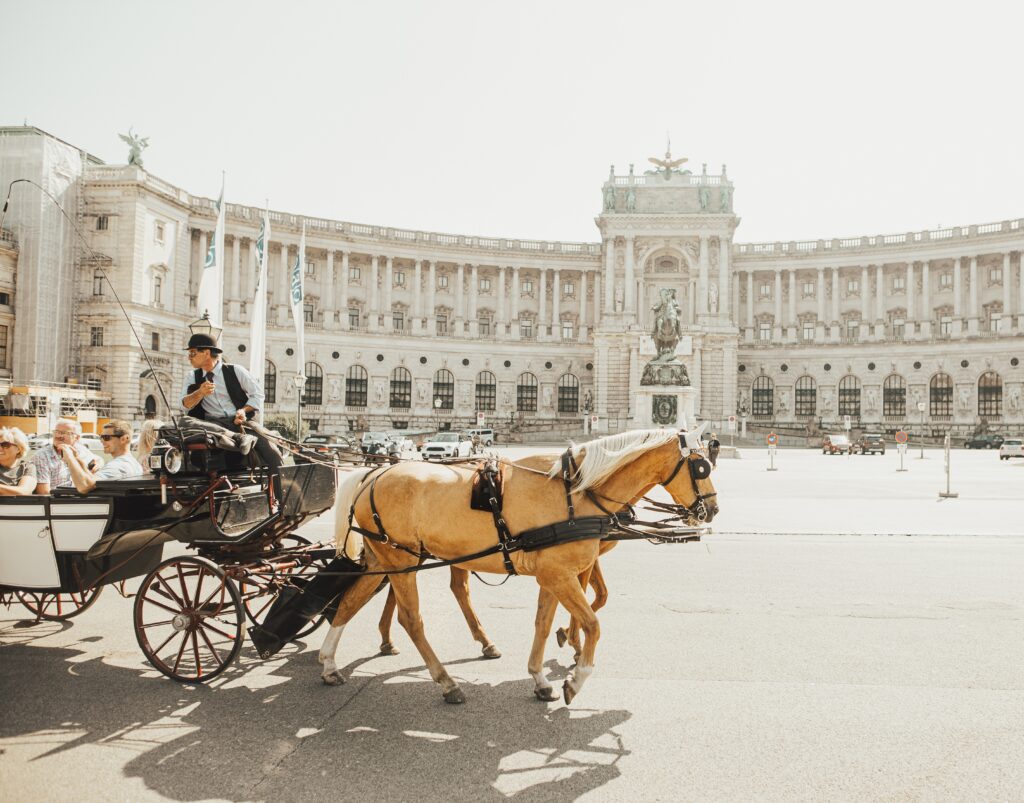
Vienna is famous for its impressive architecture from various eras, including Baroque palaces, Vienna Secession buildings, and modern designs. Significant structures include the Hofburg, Schönbrunn Palace, and St. Stephen's Cathedral.
What are some well-known cultural sites in Vienna?
Vienna is home to over 100 museums. These include the Museum of Art History, the Museum of Natural History, the Albertina, and the Belvedere. Additionally, Vienna is known for its operas and theaters such as the Vienna State Opera and the Burgtheater.
What characterizes Viennese cuisine?
Viennese cuisine is known for dishes like Wiener Schnitzel, Tafelspitz, and apple strudel. Also, the Viennese coffee house culture with its traditional coffee specialties and pastries is known worldwide.
What is Viennese musical life known for?
Vienna is often referred to as the "music capital of the world". It is the birthplace of composers like Mozart, Beethoven, and Strauss. Numerous music festivals and concerts are held here every year, including the New Year's Concert by the Vienna Philharmonic.
What are some well-known events and festivals in Vienna?
The Vienna Opera Ball, the Danube Island Festival, and the Vienna Film Festival are just a few of the many annual events and festivals that take place in Vienna.
What makes Vienna a livable city?
Vienna is known for its high quality of life, clean environment, efficient public transportation, and excellent social services. It also has a rich culture and a variety of recreational opportunities.
What is the education system like in Vienna?
Vienna is home to prestigious universities and colleges, including the University of Vienna, the Vienna University of Technology, and the Vienna University of Economics and Business.
What are some famous attractions in Vienna?
Popular attractions in Vienna include Schönbrunn Palace, St. Stephen's Cathedral, the Vienna State Opera, the Hofburg, and the Museum of Art History.
What are some less known interesting facts about Vienna?
Vienna has the world's oldest still-operating zoo (Schönbrunn Zoo) and more than half of Vienna's area consists of green spaces like parks, gardens, and forests.