

Plan a 2-, 3- or 4-day school trip to Rome around timed-entry bookings and nearby sights. A central base helps you connect Roman history, art, religion and citizenship with practical group logistics.
Ready to plan your school trip to Rome?
Let’s go! 🎒✨
How to plan a school trip to Rome
Start with learning outcomes, then build the schedule around them. Key Stage 2 groups usually respond best to visible stories: gladiators, emperors, fountains and Roman engineering. Older students can tackle questions about political power, Renaissance patronage, religious authority and how ancient sites are managed today.
Planning should begin 6–12 months before departure, especially for larger groups traveling during the spring term. Confirm transport and accommodation first. Timed attractions, group meals and specialist guides can follow once pupil numbers are reasonably firm.
A 2-, 3- or 4-day Rome school trip itinerary
Rome punishes overambitious schedules with sore feet and late arrivals. Two substantial visits per day are enough. Short observation tasks in piazzas, streets and churches add useful curriculum time without another security queue.
| Day | Morning | Afternoon | Learning outcomes |
|---|---|---|---|
| Day 1 | Colosseum | Roman Forum and Palatine Hill | Empire, public entertainment, social hierarchy, archaeology and historical evidence |
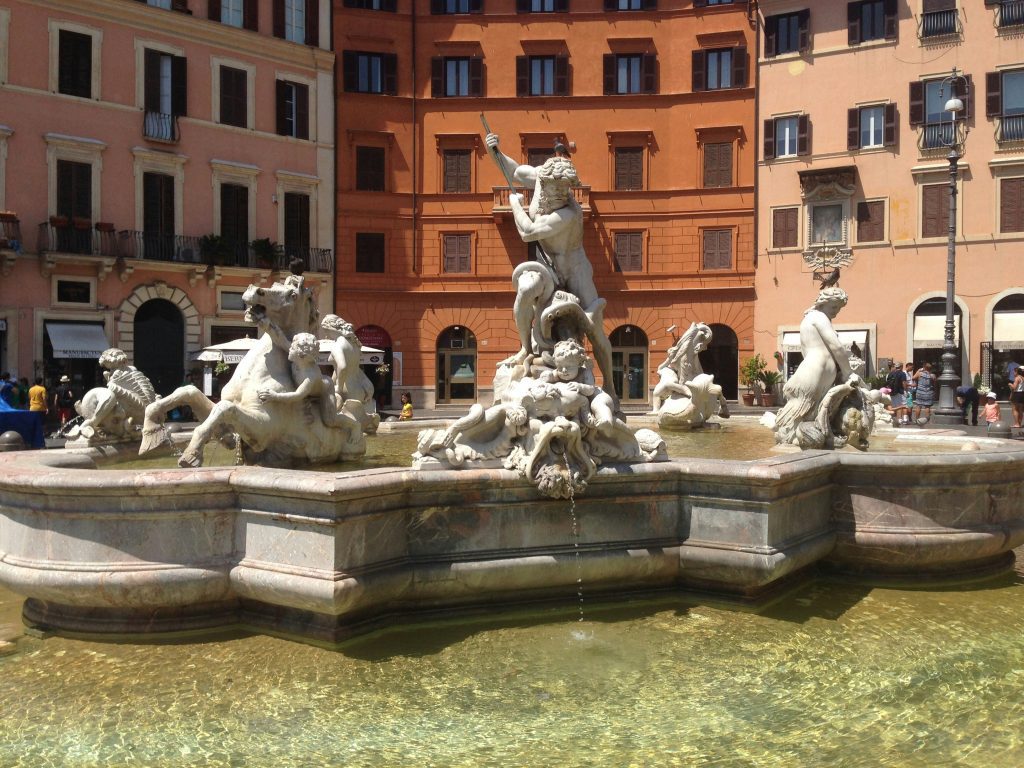
| Day 2 | Pantheon, Piazza Navona and Trevi Fountain | Capitoline Museums or a guided city walk | Roman engineering, Baroque art, urban change, civic identity and museum interpretation |
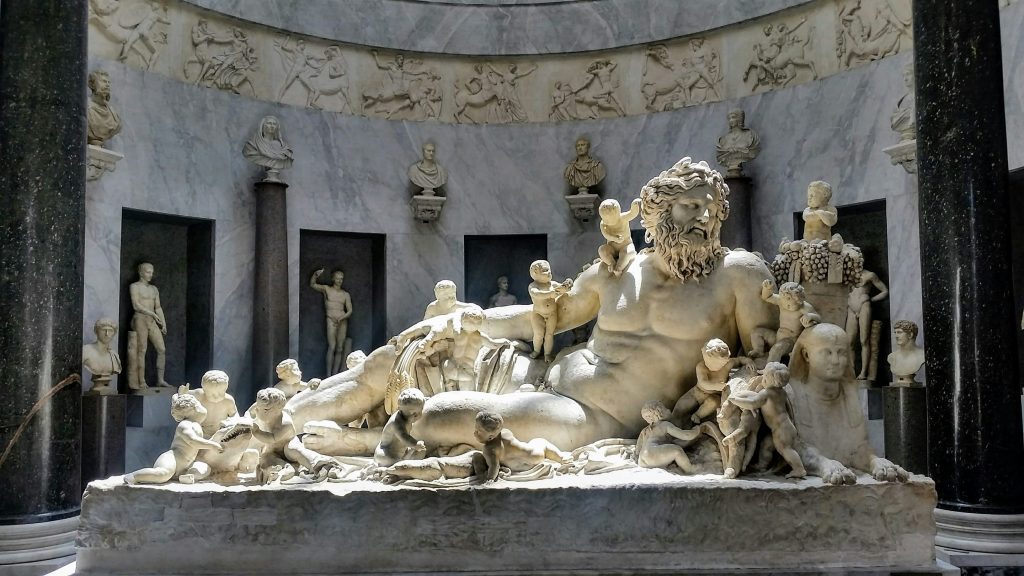
| Day 3 | Vatican Museums and Sistine Chapel | St. Peter’s Square and Castel Sant’Angelo exterior | Renaissance art, Christianity, patronage, symbolism and religious authority |
| Day 4 | Ostia Antica | Structured reflection or a neighborhood study in Testaccio | Trade, housing, food supply, daily life, comparison and fieldwork |
A 2-day visit should use Days 1 and 2. This gives younger groups the clearest introduction to ancient Rome while balancing ruins with buildings that remain part of the present-day city. At the Pantheon, ask pupils to compare the dome’s height and diameter, both just over 43 meters, before discussing how the building’s purpose changed over time.
For a 3-day trip, add the Vatican day and treat it as an art and religion lesson rather than a race to the Sistine Chapel. Give each small group one theme to track, such as maps, classical sculpture, papal symbols or representations of power. The Vatican Museums’ school information explains the required school letter, accompanying-adult limits and booking details.
Day 4 suits GCSE and A-level groups because Ostia Antica provides space for closer observation than the central archaeological sites. Set a comparison task covering apartment blocks, shops, baths and public buildings. If younger pupils need a lighter final day, swap Ostia for Villa Borghese and use the ideas in the MEININGER guide to Rome with kids.
Getting around Rome with a school group
Walking is usually the quickest choice within the historic center, but Rome’s cobbles, heat and traffic make route design important. Split pupils into named supervision groups before leaving the hotel. One adult should lead, another should remain at the rear, and head counts should take place after every road crossing, station exit and security check.
The metro is useful for longer transfers, particularly between Termini, the Colosseum and the Vatican area. Avoid squeezing the full party through the same carriage door. Divide a large class into smaller units, agree on the destination platform in advance and make it clear that anyone who misses a train stays with the assigned adult.
Rome’s integrated public-transport tickets cover buses, trams, metro services and specified urban rail routes. Check the latest validity rules on the official ATAC ticket page, then decide whether single tickets or time-based passes fit the final schedule. Every pupil should know where a paper ticket is being carried and when it must be validated.
- Use the metro for direct cross-city movements.
- Walk between the Pantheon, Piazza Navona and Trevi Fountain.
- Allow extra time for buses because traffic can disrupt schedules.
- Choose one unmistakable meeting point at every stop, not “near the entrance.”
- Place an adult by each metro door while the group boards and exits.
Coaches need advance planning. Central Rome has restricted bus zones, and access or stopping near the Colosseum and Vatican may require the correct permit and reservation. Ask the operator to confirm drop-off points in writing and check the current Rome coach regulations. A coach that cannot reach the hotel door is not necessarily a problem, but the luggage walk must be known before arrival.
Safeguarding, accessibility and emergency planning
Assign responsibilities before departure. The visit leader needs an offline copy of the itinerary, pupil list, medical information, insurance details and emergency contacts. A second adult should hold duplicates. Individual supervision groups should have a named deputy so that staffing remains clear if a pupil needs medical attention.
Call 112 for police, ambulance or fire services in an emergency. Save the hotel number and school emergency contact in every staff phone, but also carry them on paper. Batteries have an impressive habit of failing at inconvenient moments.
Accessibility must be checked stop by stop rather than assumed. Several Metro Line A stations, including Barberini, Repubblica and Vittorio Emanuele, lack platform elevators or stair lifts. ATAC publishes station accessibility status, and routes should be checked again shortly before travel.
The Vatican Museums provide a step-free itinerary through many major collections, although their standard guided visits are not generally available to wheelchair users. The Colosseum school route is described as accessible, but the Roman Forum contains steep slopes and uneven ground. Contact each venue directly about wheelchairs, sensory requirements, quiet spaces and companion arrangements before paying nonrefundable booking charges.
Meals and accommodation that work for classes
Group meals need less choice and more certainty. A fixed menu with water, a main dish and a simple dessert is easier for restaurants to serve promptly. Send allergies, religious requirements and dietary choices in one clear document, then reconfirm the list before arrival.
Pizza al taglio works well for quick lunches because portions can be served by weight, but a narrow counter beside a busy road is a poor gathering point for 30 pupils. Scout the entrance, toilets and waiting space on a map. For a packed lunch, choose an authorized open space where the group can sit without blocking steps, church entrances or sidewalks.
- Book evening meals near the hotel to reduce late-night transport.
- Give restaurants final numbers by their stated deadline.
- Carry emergency snacks separately from pupil bags.
- Avoid scheduling lunch immediately after a timed entry that may overrun.
- Use reusable water bottles and Rome’s public drinking fountains where appropriate.
Your Rome school trip pre-departure checklist
Use one master checklist and give every item a named adult and a deadline. Store it where the visit leader and deputy can both reach it. Cover documents (passports, consent forms, insurance, GHIC or EHIC), safeguarding (ratios, groups, rooms, lost-pupil plan) and health (medication, allergies, emergency contacts). Reconfirm bookings and transport, share schedules and contact details with students and parents, and pack simple observation tasks for the learning side.
Spring and fall usually suit school groups best. In summer, start early and plan indoor visits for the afternoon. In winter, see the Forum and Palatine Hill in the morning, before they close early. Build 20 minutes of slack around every timed entry and pick one must-do per day. Everything else can flex.
School trip to Rome: FAQs
How far in advance should a school trip to Rome be planned?
Planning should begin 6–12 months before departure, especially for larger groups traveling during the spring term. Transport and accommodation should be confirmed first, followed by attractions, group meals and specialist guides.
What should be booked first for a school trip to Rome?
The Colosseum should be booked first because school groups must reserve a specific entry time. Colosseum time slots are released 30 days before the visit, so the rest of Day 1 should be arranged around that booking.
How many days do you need for a school trip to Rome?
A 2-day visit covers the Colosseum, Roman Forum, Palatine Hill, Pantheon, Piazza Navona, Trevi Fountain and either the Capitoline Museums or a guided city walk. A 3-day trip adds the Vatican Museums and Sistine Chapel, while a 4-day itinerary can include Ostia Antica.
How many activities should a school group plan each day in Rome?
Two substantial visits per day are enough for a school group in Rome. Short observation tasks in piazzas, streets and churches can add curriculum time without adding another security queue.
What can students study at the Pantheon in Rome?
Students can compare the Pantheon’s dome height and diameter, both just over 43 meters. The building also supports discussion about Roman engineering and how its purpose changed over time.
What paperwork do schools need for the Vatican Museums?
School groups visiting the Vatican Museums need the required school letter and must follow the museum’s accompanying-adult limits. Booking details should be checked through the Vatican Museums’ school information before the visit.
Is Ostia Antica suitable for a Rome school trip?
Ostia Antica suits GCSE and A-level groups because it allows closer observation than Rome’s central archaeological sites. Students can compare apartment blocks, shops, baths and public buildings while studying trade, housing, food supply and daily life.
What is the best way for a school group to get around Rome?
Walking is usually quickest in the historic center, while the metro helps with longer transfers between Termini, the Colosseum and the Vatican area. Split a large class into smaller units, assign a leading and rear adult, and take head counts after road crossings, station exits and security checks.