
Amsterdam is one of Europe’s most-visited cities — and for good reason. It has more bikes than people, more canals than Venice, and a floating flower market that’s been around since 1862. Whether you’re planning your first visit or your fifth, these fun facts about Amsterdam will give you a whole new appreciation for this one-of-a-kind city.
Ready to be surprised? Let’s dive in.
👇👇👇
Quick facts about Amsterdam at a glance
| Fact | Details |
|---|---|
| Bikes in the city | ~900,000 (more than the population) |
| Canals | 165+ (over 100 km of waterways) |
| Bridges | 1,281 |
| Museums | Highest concentration per square meter in the world |
| Smallest house width | 2.02 m (Oude Hoogstraat 22) |
| First capital to legalize same-sex marriage | 2001 |
#1 There are more bikes than people
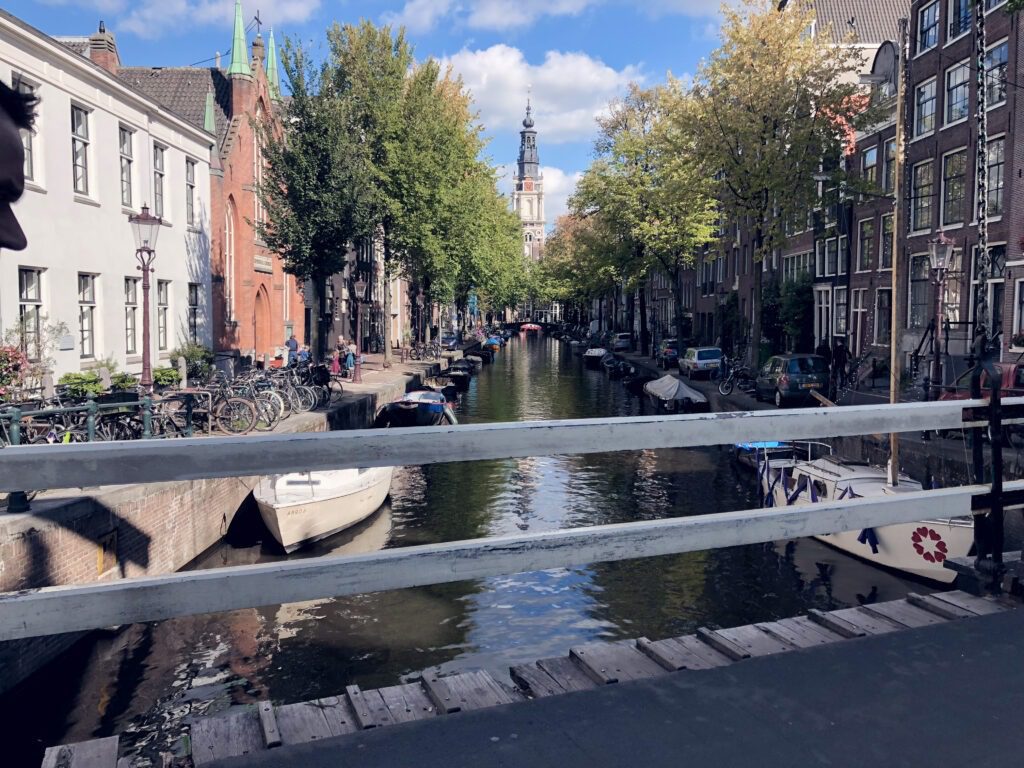
Amsterdam has around 900,000 bikes for a population of roughly 940,000 people. With over 400 km of dedicated bike lanes, cycling isn’t just a hobby here — it’s the main way people get around. Bikes even have the right of way over cars and pedestrians, so if you’re exploring on foot, always check before stepping into a lane.
Here’s the wild part: about 20,000 bikes end up in the canals every year, and around 100,000 get stolen. The city regularly dredges the canals just to fish them out.
#2 Amsterdam has more canals than Venice
With over 165 canals stretching more than 100 km, Amsterdam’s waterways beat Venice by a long shot. The three most iconic ones — Herengracht, Prinsengracht, and Keizersgracht — form the famous canal belt, a UNESCO World Heritage Site since 2010.
And those canals need bridges: Amsterdam has 1,281 of them, more than Paris. The most photographed? The Magere Brug (Skinny Bridge), a narrow wooden drawbridge lit up by hundreds of lights at night.
#3 Amsterdam was the first world capital to legalize same-sex marriage
Back in 2001, the Netherlands made history as the first country in the world to legalize same-sex marriage. Amsterdam has long been a welcoming, open city for the LGBTQ+ community, and that spirit shows up everywhere — from its vibrant Pride celebrations to the Rainbow Monument near Homomonument.
Amsterdam Pride (Canal Pride) takes place every year in late July or early August and draws hundreds of thousands of visitors from across the world. It’s one of the most spectacular Pride events in Europe.
#4 Heineken was born here
The world-famous Dutch beer brand was founded in Amsterdam in 1864. Today, Heineken brews close to 200 million hectoliters of beer per year and exports to over 190 countries. You can learn all about the brand’s story — and sample the goods — at the Heineken Experience, a popular attraction in the city’s De Pijp neighborhood.
#5 There’s a houseboat just for cats
One of the quirkiest fun facts about Amsterdam? It has a floating cat shelter. De Poezenboot (The Cat Boat) is a houseboat on the Singel canal that serves as a rescue shelter for stray cats. It’s been running since 1966 and is open to visitors — so yes, you can absolutely go and meet the cats.
#6 Amsterdam has the highest concentration of museums in the world
No city packs in more museums per square meter than Amsterdam. You’ve probably heard of the big three: the Van Gogh Museum, the Rijksmuseum, and the Stedelijk Museum. But the city also has smaller, quirkier spots like the Moco Museum, the Amsterdam Museum, and even a dedicated Tulip Museum.
Whether you’re into art, history, science, or just the weird and wonderful, there’s a museum for you.
#7 The Dancing Houses actually lean
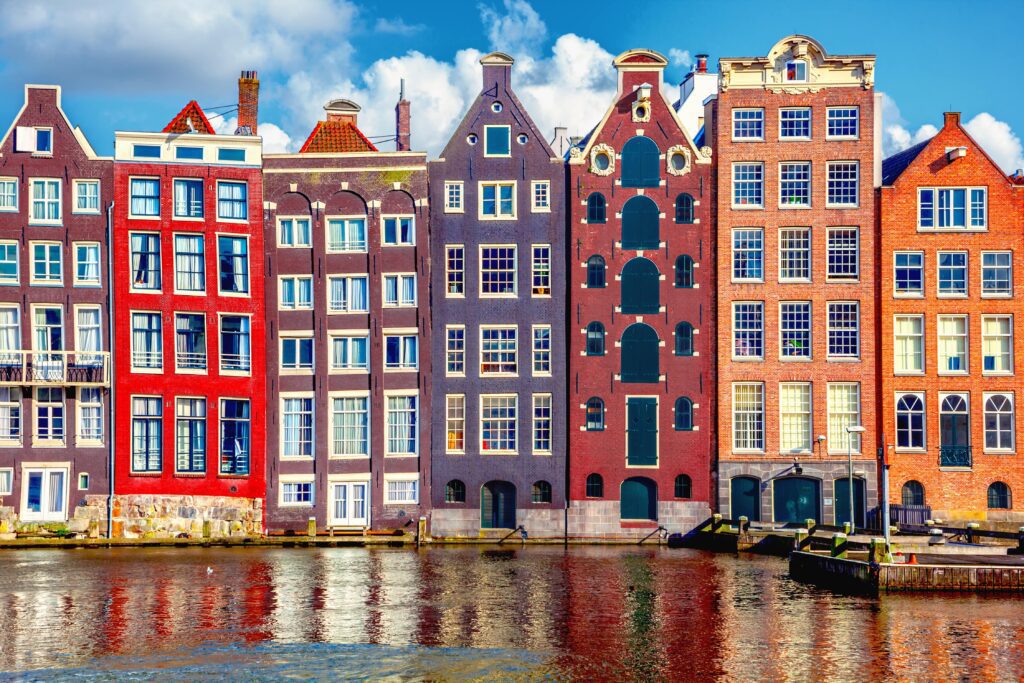
Head to Amstel 106 and you’ll spot one of Amsterdam’s most unusual sights: a row of seven canal houses that sink and lean at different angles. These so-called Dancing Houses aren’t the result of bad construction — many of Amsterdam’s old buildings were built on wooden piles driven into the soft, marshy ground. Over centuries, some have shifted or settled unevenly, giving them their distinctive tilt.
It makes for a great photo, and it’s a reminder that much of Amsterdam is quite literally built on water.
#8 Coffee shops don’t actually serve coffee
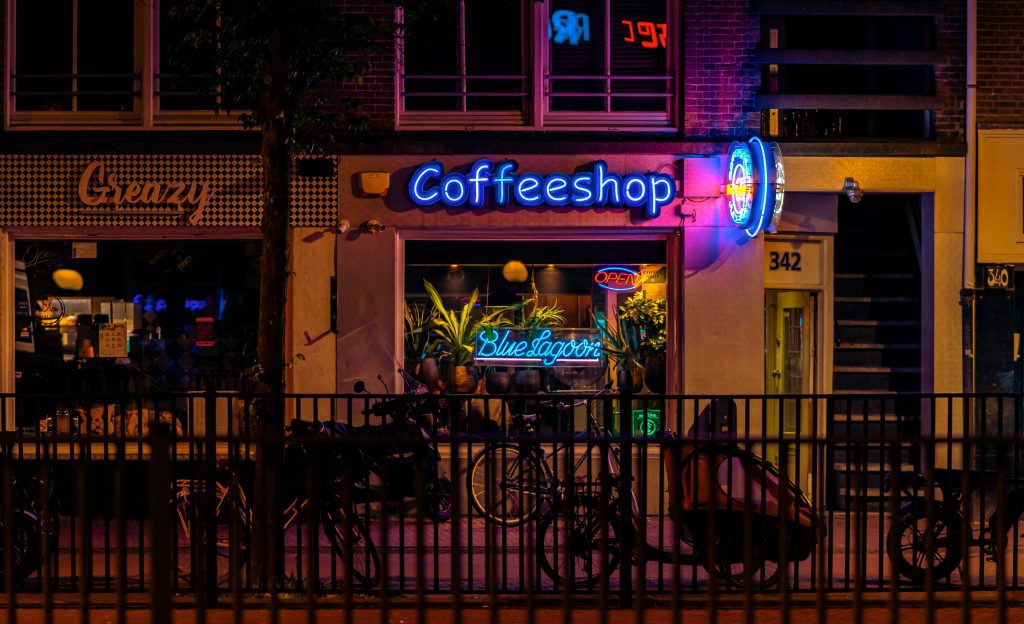
This one trips up plenty of first-time visitors. In Amsterdam, a “coffee shop” is a licensed venue where cannabis can be legally purchased and consumed. If you’re after an actual coffee and a pastry, you want a koffiehuis — the Dutch word for a regular café. Easy to mix up, good to know before you walk in expecting a cappuccino.
#9 The world’s only floating flower market is in Amsterdam
The Bloemenmarkt (Amsterdam Flower Market) has been a fixture of the city since 1862. What makes it truly unique? All of its stalls sit on boats moored along the Singel canal — a nod to the days when growers would float in directly from the countryside to sell their flowers.
It’s the only floating flower market in the world and still one of the best places to pick up tulip bulbs to take home.
#10 Europe’s narrowest house is here
Tucked away at Oude Hoogstraat 22, you’ll find what’s believed to be one of the narrowest houses in Europe. Built around 1738, it measures just 2.02 m wide and 5 m deep, with a single room on each floor. It’s easy to walk right past it — which is kind of the point.
Summing up
From its bike-filled streets and record-breaking canal network to a floating cat shelter and the world’s only floating flower market, Amsterdam is full of surprises. These fun facts about Amsterdam are just the start — the best way to discover what makes this city so special is to explore it for yourself.
Fun Facts Amsterdam: FAQs
What are the most interesting fun facts about Amsterdam?
Amsterdam has more bikes than people (~900,000 bikes for ~940,000 residents), more bridges than Paris (1,281), and more canals than Venice (165+). It's also home to the world's only floating flower market, Europe's narrowest house, and a houseboat dedicated entirely to stray cats.
Why does Amsterdam have so many bikes?
Cycling is deeply embedded in Dutch culture and infrastructure. Amsterdam has over 400 km of dedicated bike lanes, making it faster and easier to get around by bike than by car. Bikes even have the legal right of way over cars and pedestrians in many areas.
How many canals does Amsterdam have?
Amsterdam has over 165 canals totaling more than 100 km of waterways. The most famous are Herengracht, Prinsengracht, and Keizersgracht, which together form the UNESCO-listed canal belt.
Was the Netherlands really the first country to legalize same-sex marriage?
Yes. The Netherlands became the first country in the world to legalize same-sex marriage on April 1, 2001. Amsterdam has long been one of Europe's most LGBTQ+-friendly cities and hosts one of the continent's biggest Pride events each year.
What's the difference between a coffee shop and a café in Amsterdam?
In Amsterdam, a "coffee shop" is a licensed venue where cannabis is sold and consumed legally. A koffiehuis (café) is where you go for coffee, tea, and food. The two are completely different, so it's worth knowing which one you're walking into.
What is the Bloemenmarkt?
The Bloemenmarkt is Amsterdam's famous flower market on the Singel canal. Founded in 1862, it's the only floating flower market in the world — all its stalls are built on boats. It's a great spot to buy tulip bulbs and other flowers to take home.
Where is the narrowest house in Amsterdam?
The narrowest house is at Oude Hoogstraat 22. Built around 1738, it's just 2.02 m wide and 5 m deep, with one room per floor. It's considered one of the narrowest houses in Europe.
What museums should I visit in Amsterdam?
Amsterdam has the highest concentration of museums per square meter of any city in the world. Top picks include the Van Gogh Museum, Rijksmuseum, Stedelijk Museum, Moco Museum, and the Anne Frank House. For something unusual, check out De Poezenboot (the cat boat) or the Tulip Museum.
Why do some Amsterdam houses lean and look crooked?
Many of Amsterdam's historic canal houses were built on wooden piles in soft, marshy ground. Over centuries, some have shifted or settled unevenly, causing them to tilt. The most dramatic example is the "Dancing Houses" at Amstel 106 — a row of seven leaning houses that have become one of the city's most photographed spots.
Where's a good place to stay in Amsterdam?
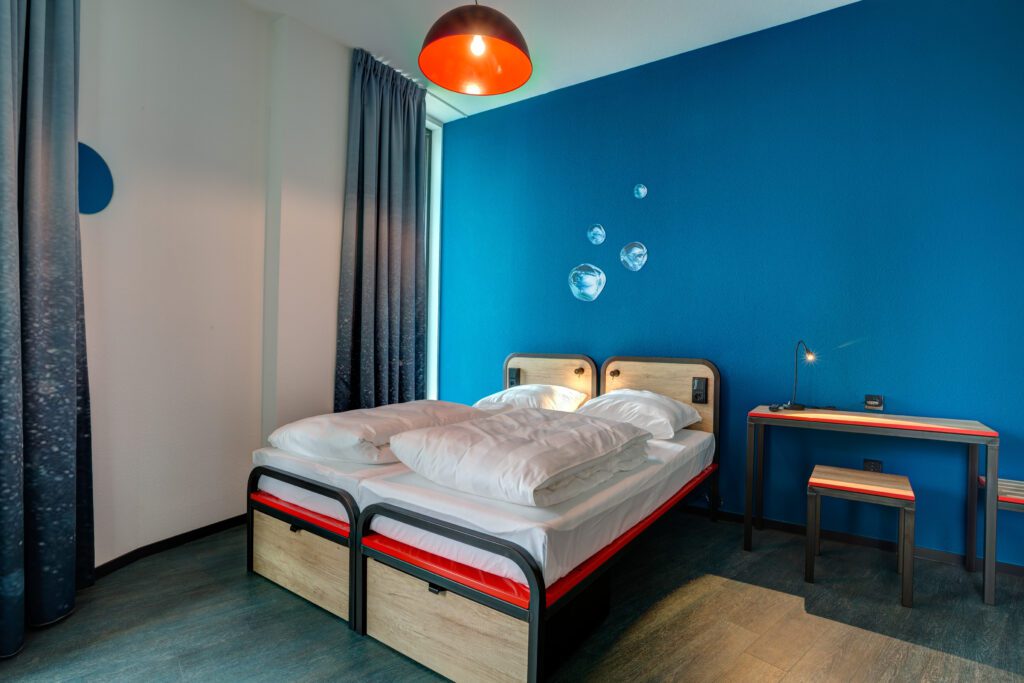
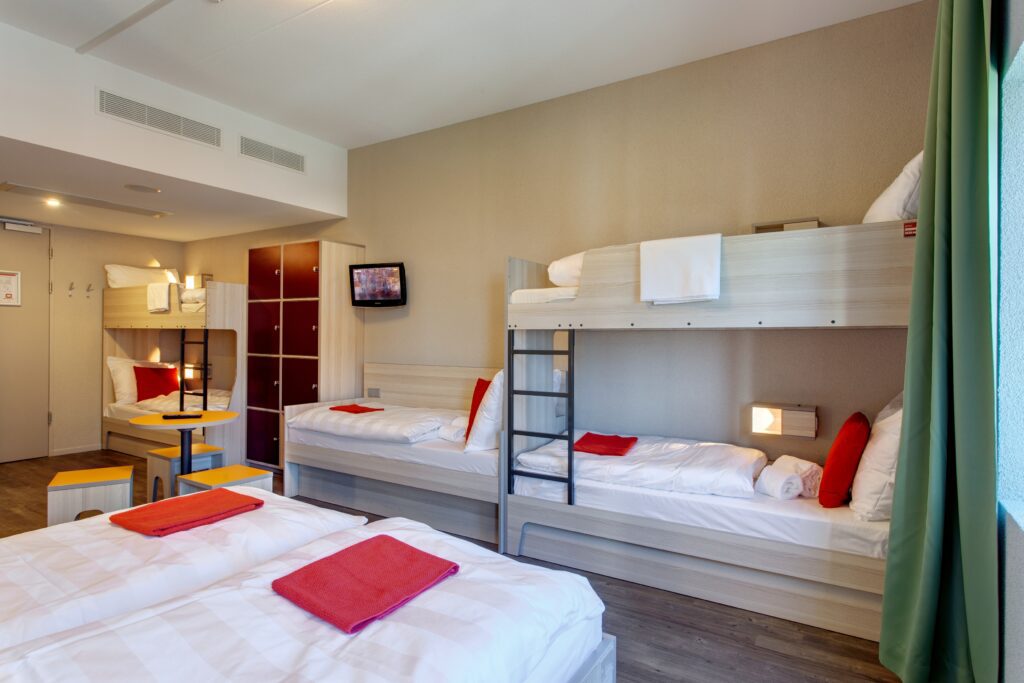
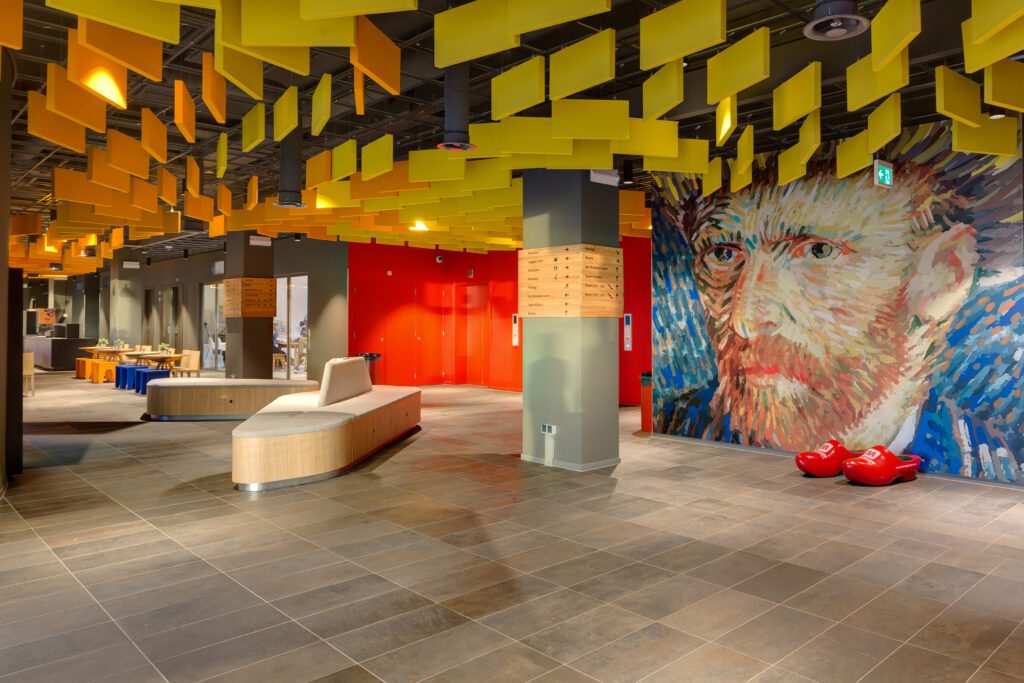
MEININGER Hotels has two great options. MEININGER Hotel Amsterdam Amstel sits right by Amstel Station, making it easy to reach De Pijp and other popular neighborhoods. MEININGER Hotel Amsterdam City West is just one stop from Central Station — ideal for travelers who want quick access to the whole city. Both offer budget-friendly rates, a guest kitchen, and a laid-back vibe.