
Best for first-timers
Centrum & Canal Ring (Grachtengordel)
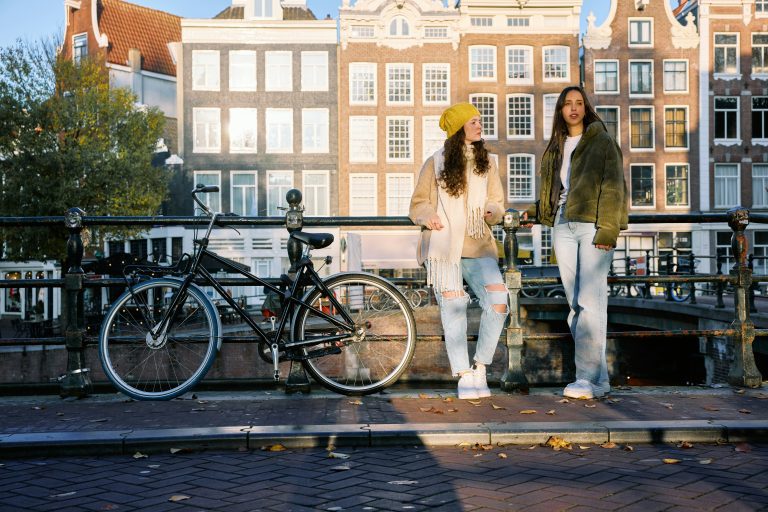
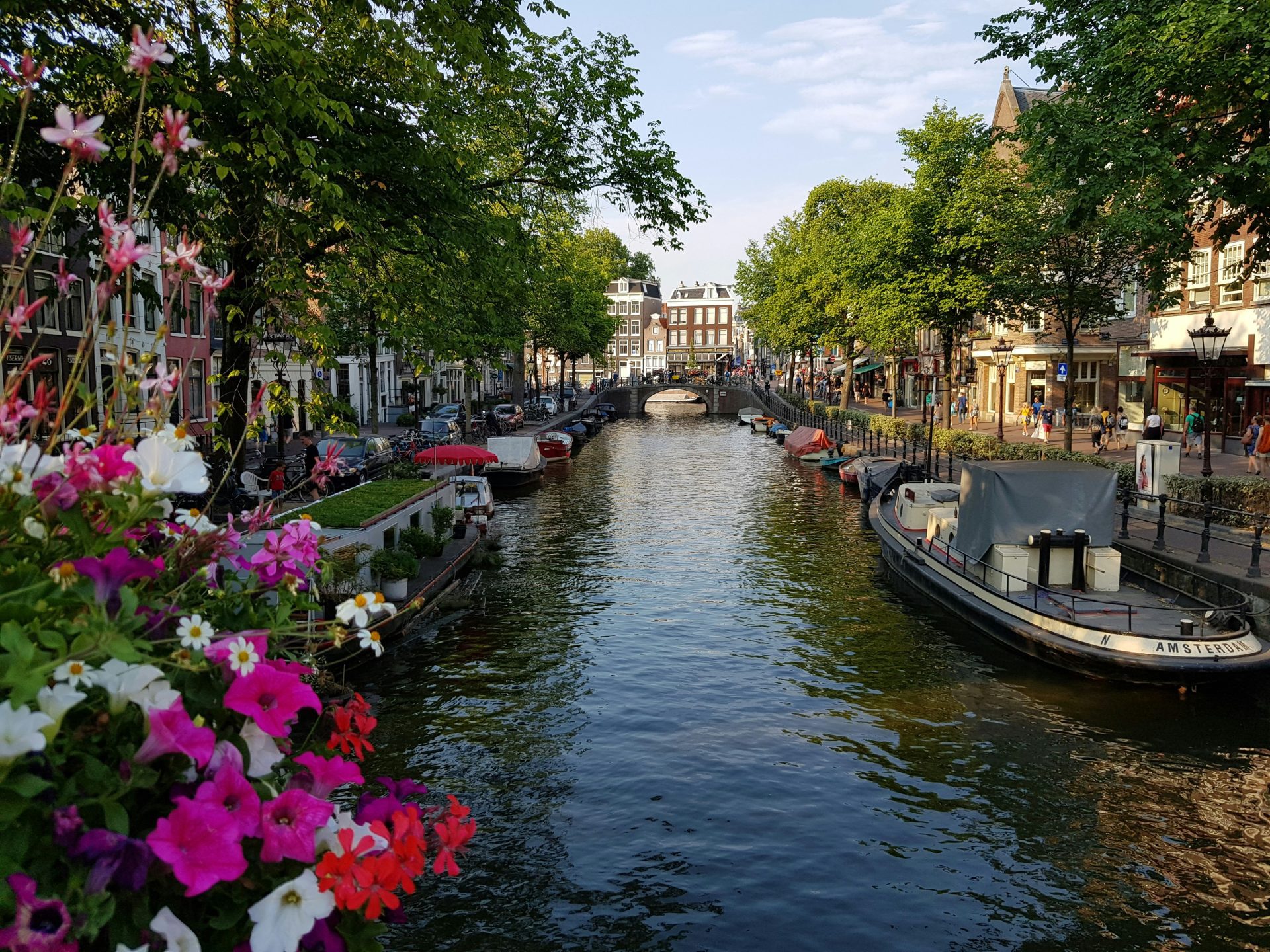
Canal cruises, Dam Square, the Nine Streets, Anne Frank House. Everything on foot, everything busy.
Destination hub
Two to three days is enough for a first visit: the centre is small, and most places worth seeing sit within a 30-minute walk or a short tram ride. Come in April or May for tulip season and long light evenings, or September and October for mild weather and shorter museum queues. July and August are lively but busy, and prices follow the crowds. Stay in the centre or the Jordaan if you want canals on your doorstep, De Pijp for markets and food, or near Sloterdijk and Amstel stations for quieter nights and quick connections into town. Getting in is easy: the train from Schiphol reaches Amsterdam Centraal in about 17 minutes and runs through the night. Add a bike, a brown café, and a few odd local facts, and you’ve got the city. Only got one day? That works too.

There’s no wrong way to do Amsterdam, but there are definitely a few things you’d regret skipping. The city is small enough to cross by bike in half an hour, yet somehow fits in Rembrandts, houseboats, tucked-away courtyards and a canal ring that’s been quietly showing off since the 1600s. Some highlights need booking weeks ahead (looking at you, Anne Frank House), others are as simple as finding a bench by the water with a bag of stroopwafels. We’ve rounded up the ones actually worth your time: the big names like the Rijksmuseum and Van Gogh Museum, plus the small local moments in between.
Every Amsterdam neighborhood has its own rhythm. First-time visitors gravitate to the Canal Ring and Centrum, right beside the postcard sights. Second-timers head for De Pijp or Oost, where the food gets better and the crowds thin out. Travellers with kids like leafy Oud-West and the parks around it. Noord is where the city keeps its industrial edge and its best sunsets, a five-minute free ferry from Central Station. And if you’d rather trade tourist bustle for space, quiet nights and a fast train into town, the Oost and City West corners do exactly that.
Best for first-timers
Canal cruises, Dam Square, the Nine Streets, Anne Frank House. Everything on foot, everything busy.
Best for food
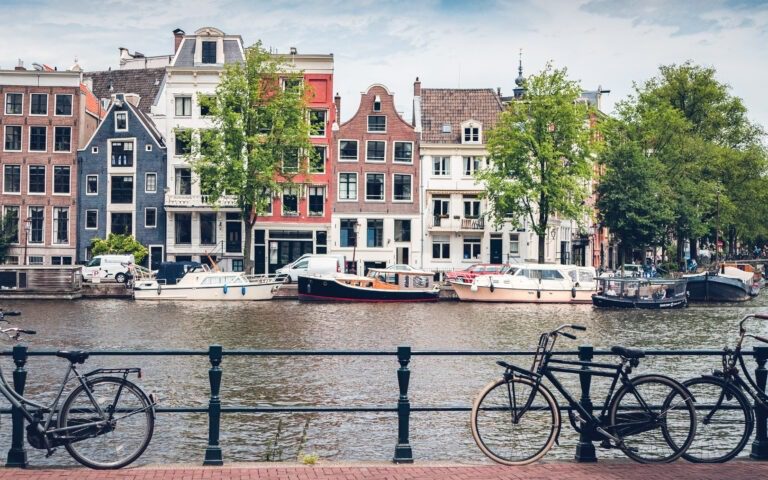
Albert Cuyp Market, tiny restaurants from every corner of the world, Sarphatipark for the recovery afterwards.
Best for atmosphere
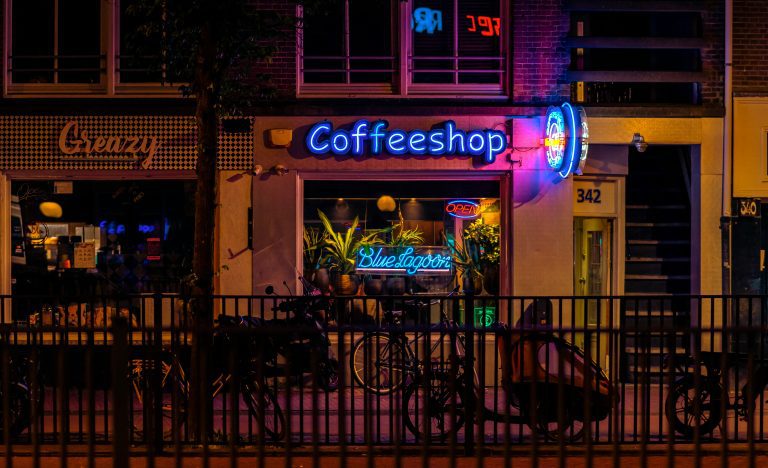
Narrow lanes, brown cafés, hidden courtyards and Saturday markets. The Amsterdam people picture before they arrive.
Best for families & parks
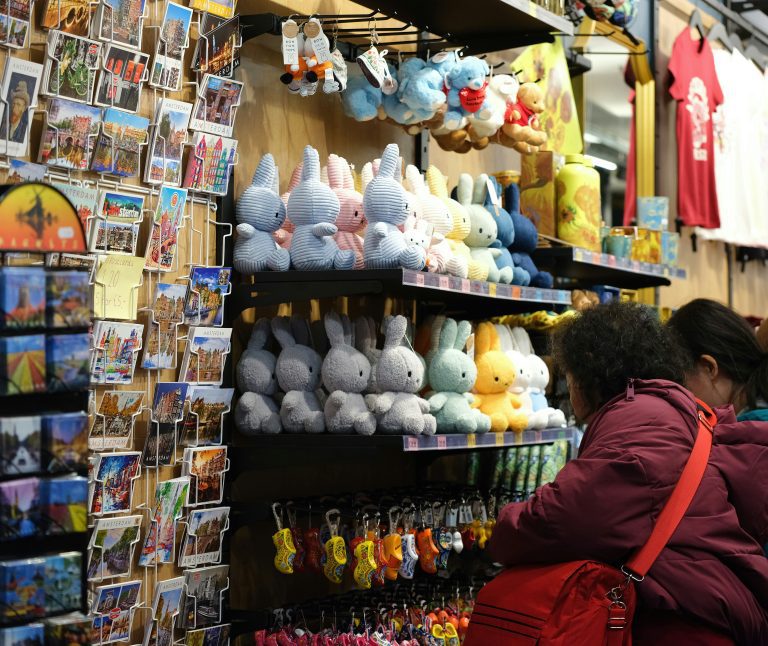
Playgrounds, cycle paths, the Foodhallen and museums a short ride away.
Only got a weekend? No worries: 48 hours in Amsterdam is plenty to see the big names, eat far too well, and still stumble into a few things that aren’t in any guidebook. The city is small, flat and stubbornly walkable, which means you can cover a lot without ever feeling rushed. Here’s how to make every hour count.
Start on the Grachtengordel. Walk from Brouwersgracht through the Nine Streets, stopping at every bridge. Coffee and apple pie by the water, then Westerkerk and the Anne Frank House. Book ahead: timed entry only.
Head south to Museumkwartier and pick one museum, not two. The Rijksmuseum has Rembrandt and Vermeer; the Van Gogh Museum tells one life story well. Then sit in Vondelpark and watch the cyclists go by.
Dinner in De Pijp. Albert Cuyp Market runs Monday to Saturday, 9.30 to 17.00, so time it for street food and warm stroopwafels. After that, a beer in a brown café that hasn’t changed in decades.
Slower start. Wander the Jordaan’s narrow lanes and hidden courtyards, and catch a market: Noordermarkt on Saturdays, Lindengracht for produce. Then rent a bike. The city makes sense on two wheels.
Take a free F3 ferry from behind Central Station to Noord. Five minutes of open water, then old shipyards, street art, the EYE Filmmuseum, and the A’DAM Lookout swing if you’re brave. Take the F4 ferry for the NDSM creative hotspot with a fifteen minutes ride.
Back south, take a canal cruise as the bridge lights come on. Touristy, still worth it. Then pick your ending: live music in Oost, late bars near Rembrandtplein, or a last drink by the Amstel.
Amsterdam eats simply and well: herring from a street stand, fries with too much sauce, Indonesian rijsttafel, Surinamese roti. De Pijp for markets, Jordaan for brown cafés, Oost for value. Save room for a warm stroopwafel.

Amsterdam · Food & Drinks
Ready to explore the best bars in Amsterdam? We'll show you the top places you simply...
Read more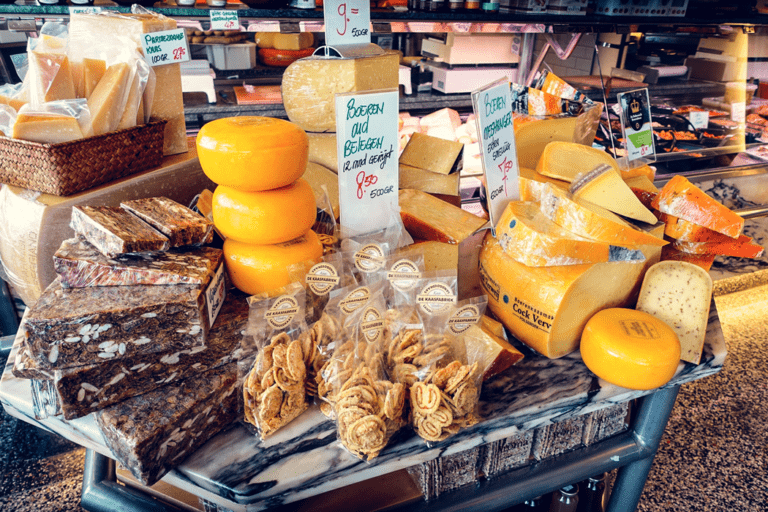
Amsterdam · Food & Drinks
Discover the top 5 must-try Dutch specialties for your next visit to Amsterdam! From Stroopwafels to...
Read more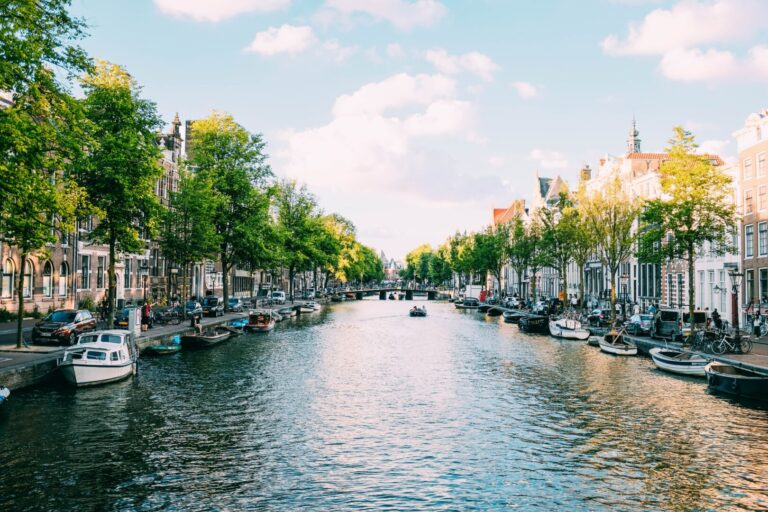
Amsterdam · Food & Drinks
More and more vegan options are popping up all over the Amsterdam. Read more about the...
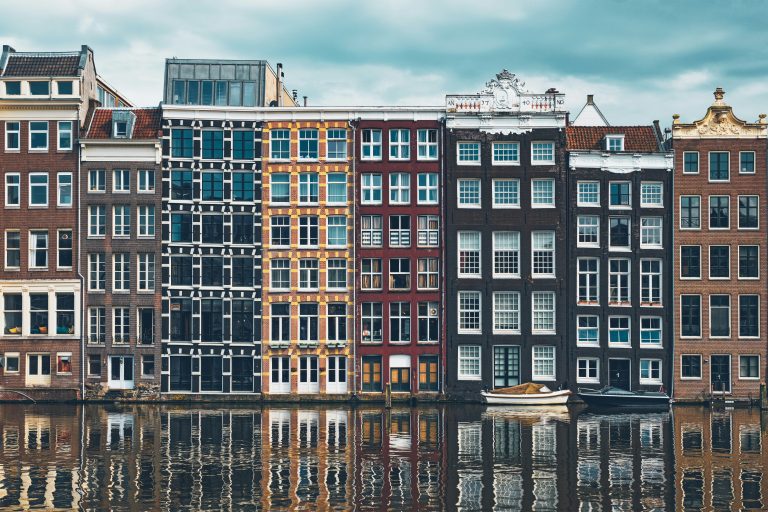
Read moreAmsterdam has a reputation for being pricey, and it can be, if you let it. But the best parts of this city cost nothing at all. Walking the canal ring at golden hour. The free ferries to Noord. Parks, markets, street art, the whole harbour skyline. Add a museum pass, a bike instead of taxis, and dinner in Oost rather than the centre, and a weekend here suddenly costs a lot less than people warn you. Here’s how to do Amsterdam cheaply without missing anything.
Amsterdam · On a budget
Discover the best cheap activities in Amsterdam 🌟 From the free ferry to Vondelpark and local...
Read more
Amsterdam · On a budget
Check out our ultimate guide to the best places to eat in Amsterdam on a budget:...
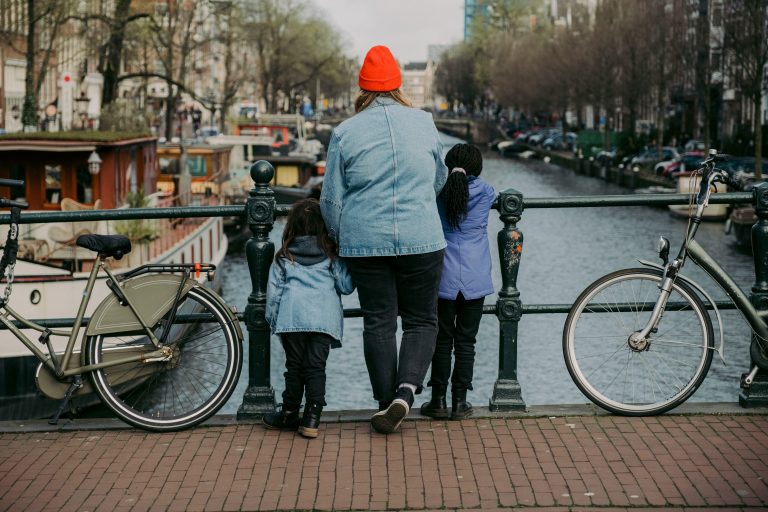
Read moreAmsterdam is unusually easy with children. It’s flat, compact and full of water, which means less time in transit and more time actually doing things. Kids can pull levers and blow giant bubbles at NEMO Science Museum, meet the lions and sit under the stars at ARTIS zoo and planetarium, or climb aboard a full-size 18th-century ship at Het Scheepvaartmuseum. Between stops there are playgrounds, pancake houses and the free ferries to Noord, which count as a boat trip if nobody tells them otherwise. Here’s how to plan a family trip that keeps everyone happy.
Amsterdam · Family
Planning Amsterdam with family? → Discover the best things to do with kids, top parks, family...
Read more
Amsterdam · Family
Enjoy unforgettable family outdoor adventures with MEININGER Hotels & Trip Leap » Fun city treasure hunts...
Read more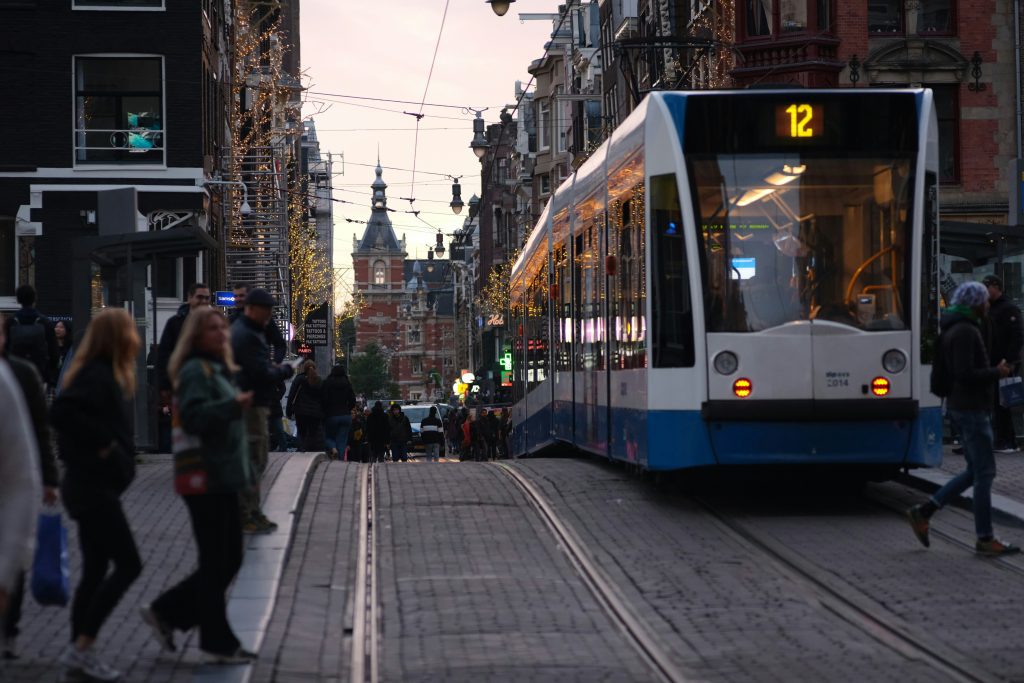
Most of central Amsterdam is walkable, and everything else is a short hop. GVB runs the trams, metro, buses and the free IJ ferries to Noord, and you can tap in and out with a contactless bank card or phone via OVpay, so there’s no need to buy a separate travel card. Trains with NS reach Schiphol in about 15 minutes and connect the whole country from Central Station. Or do it the local way and rent a bike: the city is flat, the lanes are everywhere, and it’s genuinely the fastest way across town once you’ve stopped wobbling.
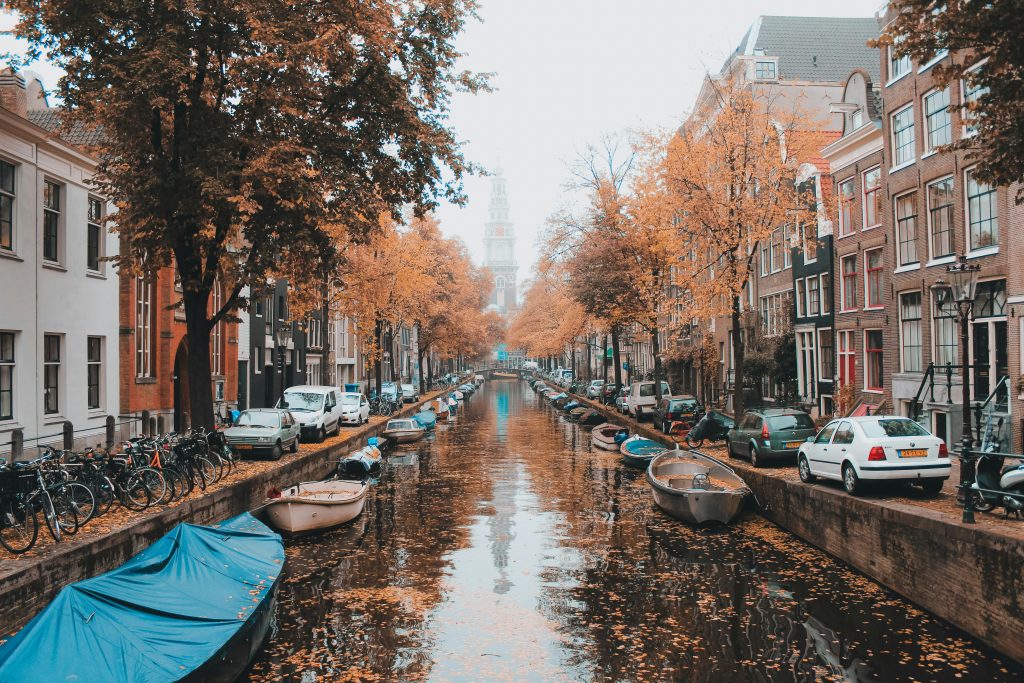
Amsterdam changes character four times a year, and there is no bad time to come. Spring (Mar–May) brings blossom along the canals and tulip gardens a short coach ride away at Keukenhof, plus King’s Day on 27 April, when the whole city turns orange and takes to the water. Summer (Jun–Aug) is terrace season: open-air festivals, boats on every canal and daylight until well past ten. Autumn (Sep–Nov) is the quiet favourite, with golden light on the water, thinner crowds and proper museum weather. Winter (Dec–Feb) is dark and cosy in the best way, with light art installations along the canals, brown cafés at their most inviting and hot chocolate that earns its place.
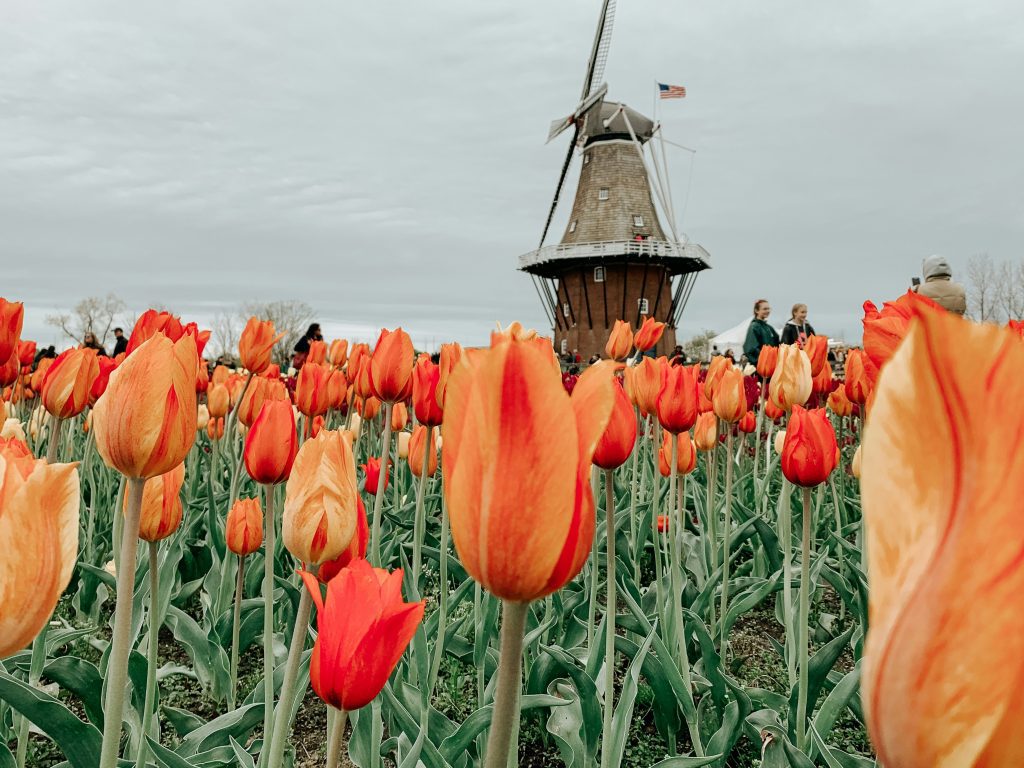
The Netherlands is small, which makes Amsterdam an excellent base. Half an hour by train gets you to Haarlem for cobbles and cafés with none of the crowds, or Utrecht, where the canals have cellar-level terraces at the water’s edge. Twenty minutes north lie the working windmills of Zaanse Schans. In under an hour you can be in The Hague at the Mauritshuis, standing in front of Vermeer’s Girl with a Pearl Earring, then on the beach at Scheveningen by late afternoon. Rotterdam swaps gables for skyscrapers, and in spring the tulip fields of Keukenhof are a direct bus ride away. Trains run constantly and you tap in with a bank card, so there is no planning to do. Pick a direction in the morning and be back for dinner.
Amsterdam finds a reason to celebrate all year. King’s Day turns the canals orange, Pride closes with the Canal Parade in August, Amsterdam Dance Event takes over every October, and light art lines the water all winter. Book early: the city fills up fast.

Amsterdam · Arts | Music | Events
Discover the top concerts in Europe 2026 🎶! Rosalía, Pitbull, The Weeknd & more - Get...
Read more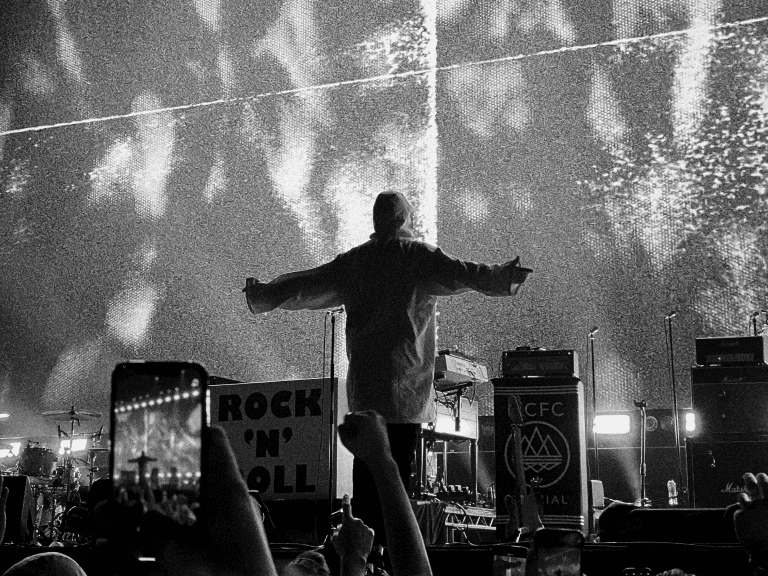
Amsterdam · Arts | Music | Events
Plan around the Oasis tour 2027 with all 38 confirmed shows, cities and venues, plus practical...
Read more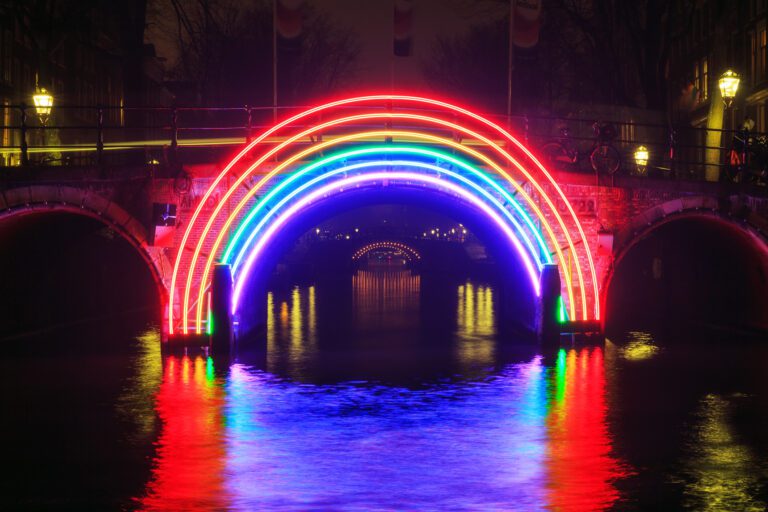
Amsterdam · Arts | Music | Events
Amsterdam Festival of Lights 2026-2027 ✴ Canals aglow with breathtaking light art ➜ Explore the city's...
Read more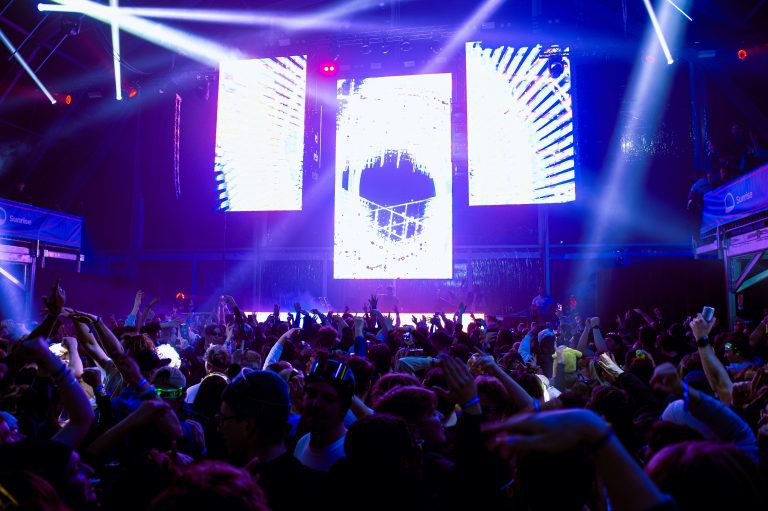
Amsterdam · Arts | Music | Events
Get ready for Amsterdam Dance Event 2026 ♪ Huge artists, 1,000+ events & epic vibes across...
Read moreWant the full list? There’s loads more to discover across the city. Explore the Amsterdam blog!
The train is the fastest and cheapest option. Trains leave from directly under the terminal and reach Amsterdam Centraal in about 15 to 20 minutes, with Sprinter services also stopping at Sloterdijk and Zuid. Buy at the yellow machines, at the counters, or tap in and out with a contactless bank card. Taxis and airport shuttles exist, but during rush hour the train usually wins on both time and price.
That depends on what you want out of the trip. The canal ring puts you in the middle of the postcard views but comes with the highest prices. Areas around a major train station give you the best balance: you sleep a little outside the crush and still reach the center in minutes. MEININGER Hotel Amsterdam City West sits about 100 meters from Sloterdijk station, one stop from Amsterdam Centraal, and MEININGER Hotel Amsterdam Amstel is a three-minute walk from Amstel station, roughly 10 minutes by train from the center.
Yes, Amsterdam is one of the most LGBTQI+ friendly cities in the world. The Netherlands was the first country to legalise same-sex marriage, on 1 April 2001, and the first weddings took place at Amsterdam’s City Hall. Rainbow flags fly year-round and queer life is part of the everyday city, not tucked into one small quarter.
Cycling is how locals get around, and it’s a great way to see neighborhoods most visitors skip. Just remember that Amsterdam bike lanes move fast and follow real rules: stick to the red lanes, signal with your arm, use lights after dark, and lock your bike to something fixed. If you’ve mostly cycled on quiet roads at home, do a loop through Vondelpark first to get your bearings. Both MEININGER hotels in Amsterdam rent bikes on site.
Late April and May bring tulip season and the biggest street party of the year on King’s Day, April 27. June to August delivers long evenings, terrace weather, and Pride, along with the highest prices and the longest queues. September and October stay mild and get noticeably quieter. Winter has its own pull with Amsterdam Light Festival along the canals, short days, and the lowest room rates of the year.
Yes, with a bit of planning. Walking and the free Noord ferries cover a lot of ground for nothing, plenty of museums have cheaper late-afternoon or student rates, and markets like Albert Cuyp and Noordermarkt are the easiest cheap lunch in town. Sleeping near a train station instead of on a canal usually saves the most. A guest kitchen helps too, since breakfast and a few dinners cooked in beat restaurant prices every time.
Very. Distances are short, trams and ferries turn transport into part of the fun, and Artis Zoo, NEMO Science Museum, and Vondelpark all handle a mixed-age crowd well. For families and groups, family rooms and multi-bed rooms keep everyone on one floor and one bill, and a guest kitchen makes early breakfasts and picky eaters much easier. Both MEININGER hotels in Amsterdam offer family rooms, dorms with four to six beds, and group conditions from 12 people upwards.
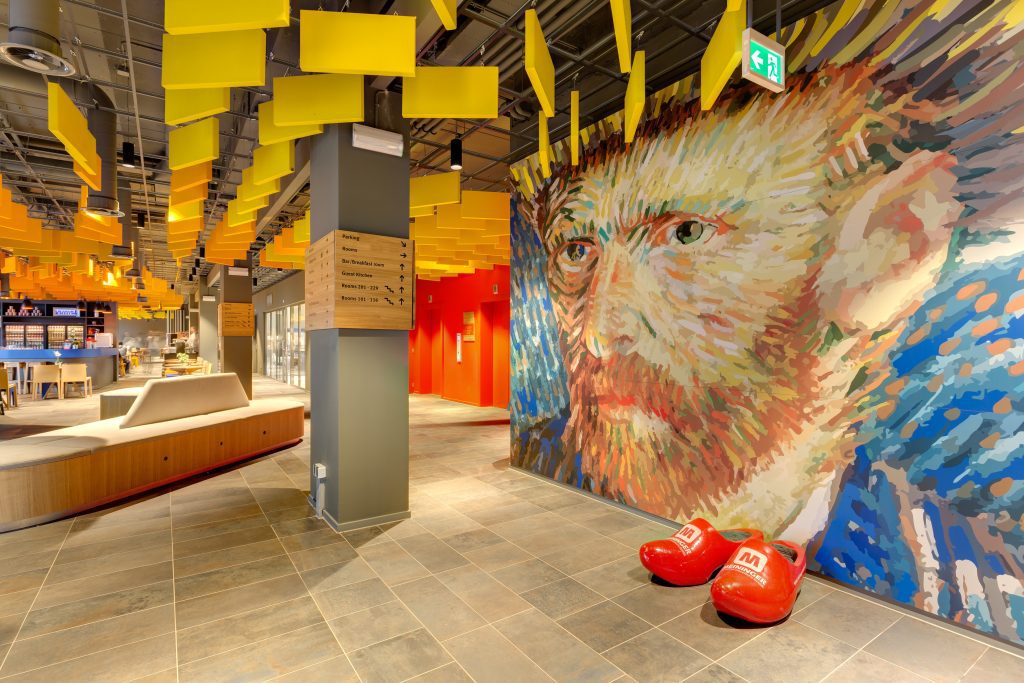
Handy if your trip runs on trains: Sloterdijk station is a three-minute walk, Centraal nine minutes, Schiphol under twenty. Rooms go from singles to seven-bed dorms, all en-suite. Guest kitchen, bar, game zone, breakfast buffet, bike rental, parking and 24-hour reception for late arrivals.
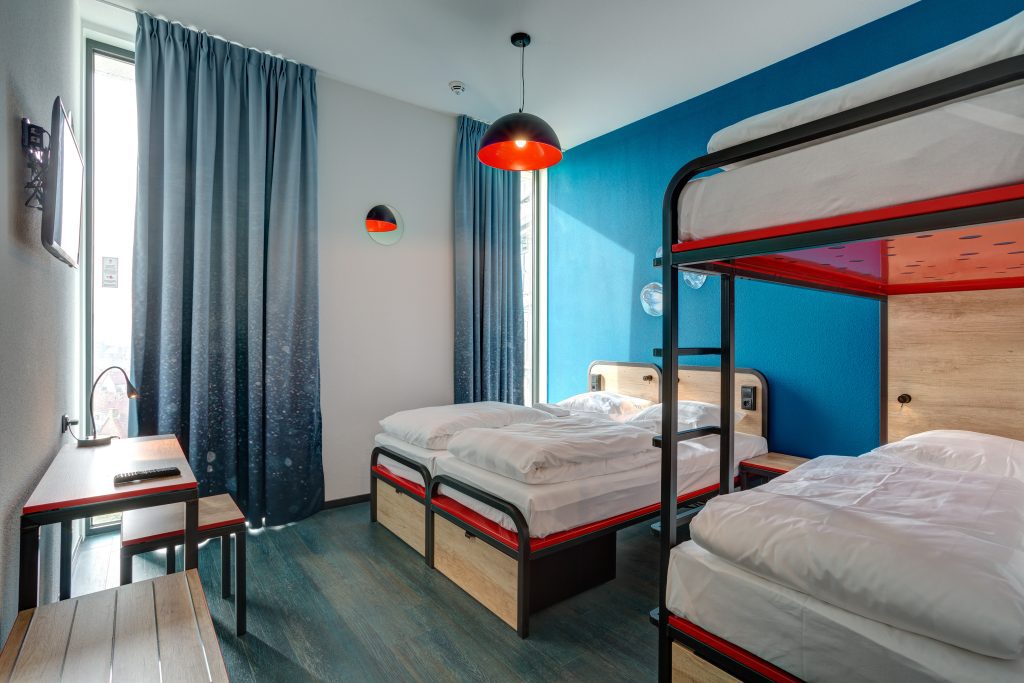
An address you’ll remember: inside Amsterdam’s tallest tower, opposite Amstel station. Centraal is ten minutes by train. Twins, triples, quads, family rooms and four to six-bed dorms, all en-suite. Guest kitchen, bar, game zone, breakfast buffet, bike rental. Pets welcome, accessible rooms available.