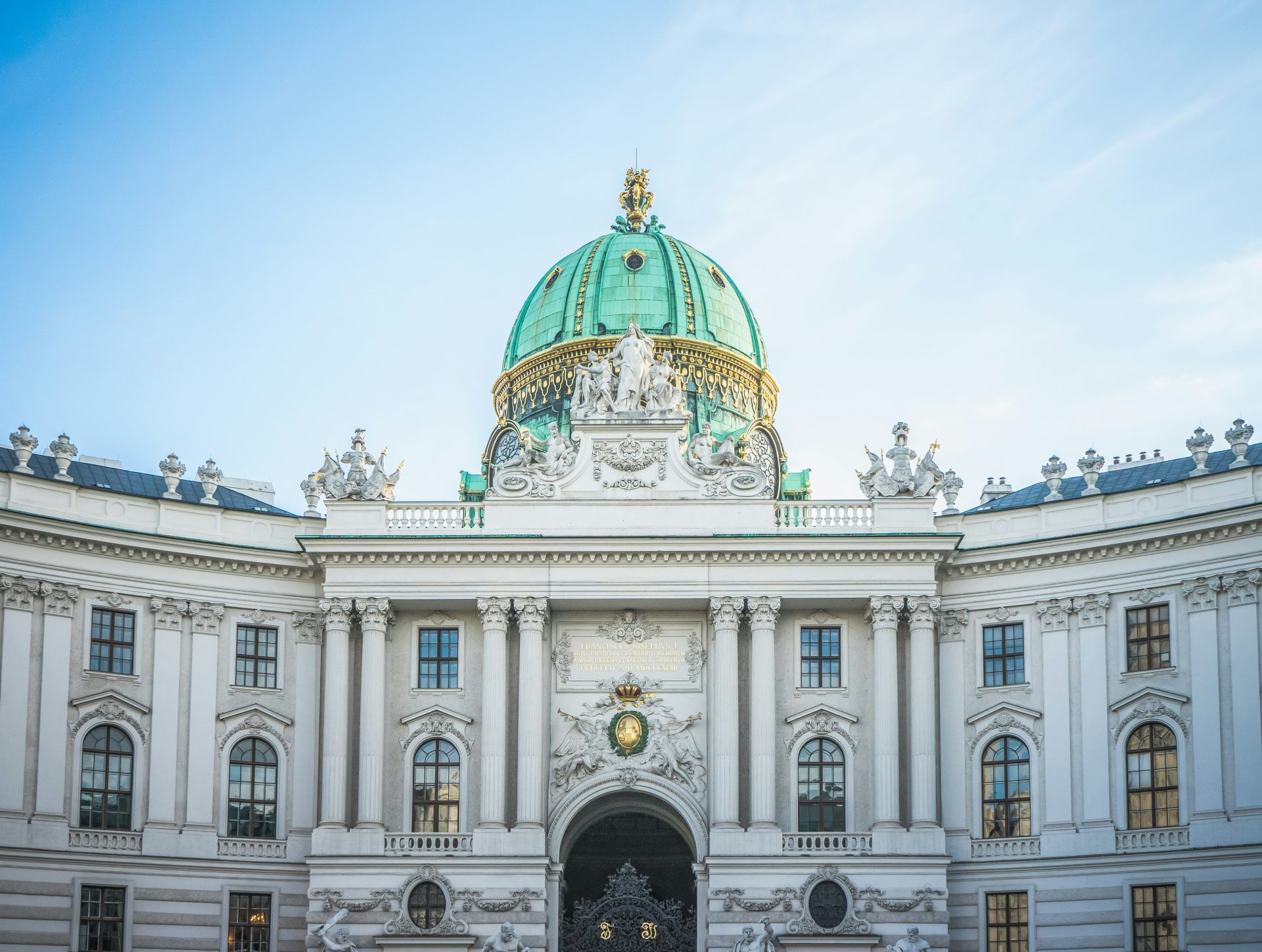
Hofburg Palace in Vienna

Destination hub

Vienna

Everything you need to know about Vienna, in 150 words

Vienna mixes grand and laid-back in equal measure. Imperial palaces and big-ticket sights, stylish cocktail bars, photo spots made for your feed, or a Käsekrainer from a sausage stand at 1 AM: this city has you covered. Here’s the practical stuff. Plan on three days minimum: the Innere Stadt (St. Stephen’s, the Hofburg) fills one day, and Schönbrunn Palace takes half of another. May to September brings Danube Island swims and Heuriger evenings; spring and fall are quieter and cheaper, and mid-November starts Christmas market season. Pick your base by mood: Innere Stadt for first-timers, Landstraße for music and art, the Gürtel for nightlife, Leopoldstadt for families. Staying central puts everything a short U-Bahn ride away. From the airport, the S7 or Railjet gets you into town in under 30 minutes; just make sure your ticket covers the airport zone. Ready to explore? Here’s everything else to know before you hop on the U-Bahn.

A traveler woman with a luggage on a red background with the Get Your Guide logo

Top things to do in Vienna

Vienna packs a lot into a compact center, but the essentials are: Schönbrunn Palace (go early to beat the crowds), St. Stephen’s Cathedral with its 343-step climb up the South Tower, and the Belvedere for Klimt’s The Kiss. Add the Hofburg, the Kunsthistorisches Museum, the MuseumsQuartier courtyard for a chill afternoon, a spin on the Prater’s Giant Ferris Wheel, and the Naschmarkt’s Saturday flea market for peak Vienna vibes.

Vienna neighborhoods

Every Vienna neighborhood has its own personality. First-timers usually stay in the Innere Stadt to be close to the classic sights. Second-timers often move to Neubau for its cafés, vintage shops and the cobbled lanes of Spittelberg. Foodies head to Mariahilf and Wieden, right by the Naschmarkt. Travelers with kids like Leopoldstadt, close to the Prater and the green space of the Augarten. Night owls look to the Gürtel, where bars fill the old railway arches.

Best for music & art

Landstraße

Landstraße puts you between the Konzerthaus and the Belvedere, so classical concerts and Klimt are both a short walk away. Add the colorful Hundertwasserhaus, and you’ll get plenty of culture without the crowds of the old town.

Best for first-timers

Innere Stadt

The Innere Stadt keeps St. Stephen’s Cathedral, the Hofburg and the State Opera within walking distance. It’s the easiest place to start a first trip, with coffeehouses on almost every corner.

Best for nightlife

Josefstadt and Ottakring

Head to the Gürtel, where bars and live music venues fill the old railway arches between Josefstadt and Ottakring. The U6 runs right along it, so getting back late is easy.

Best for families

Leopoldstadt

In Leopoldstadt, kids get the Prater’s rides and the Giant Ferris Wheel, and the Augarten has space to run around. The Danube Island is close by for summer swims.

Vienna in 48 hours

Two days in Vienna goes further than you’d think. You’ve got time for the imperial highlights, a slow coffeehouse break where nobody rushes you out, and a glass of wine at a Heuriger in the vineyards on the edge of town. Here’s how to plan it.

Day 1: Morning

Start with breakfast at a coffeehouse in the Innere Stadt, then walk to St. Stephen’s Cathedral. Climb the 343 steps of the South Tower for views over the rooftops before the crowds show up.

Day 1: Afternoon

Wander over to the Hofburg and give yourself two hours for the Imperial Apartments and the Sisi Museum. Afterward, rest your feet among the roses in the Volksgarten next door.

Day 1: Evening

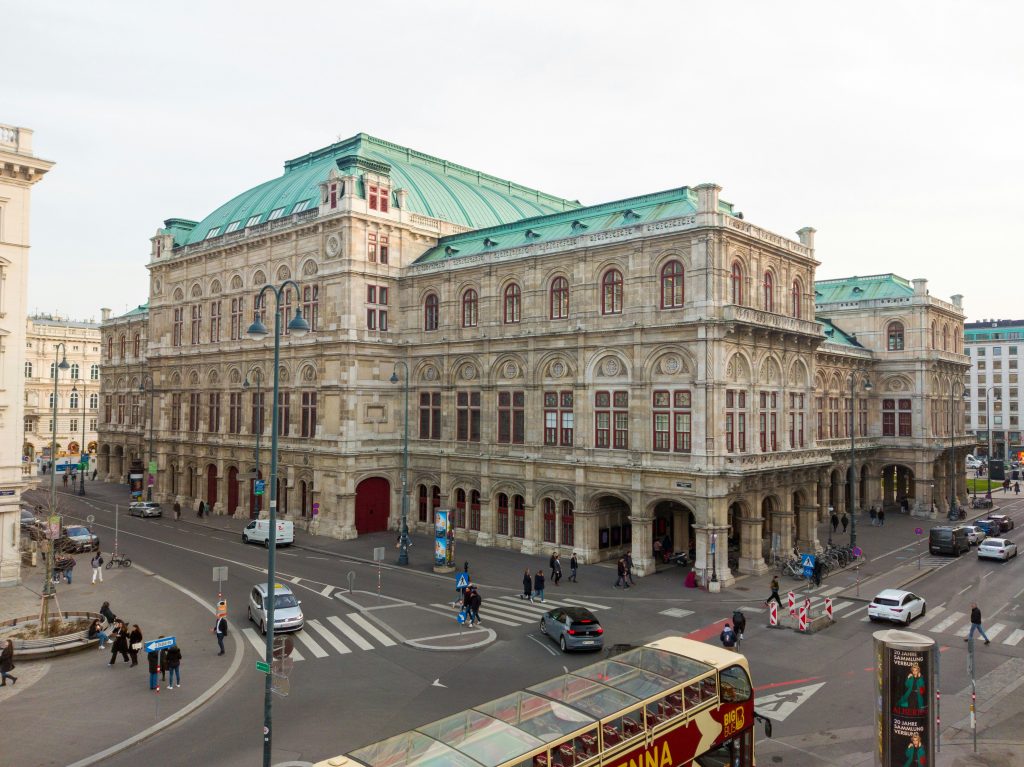
Line up for budget standing-room tickets at the State Opera, or just admire the building lit up at night. Then grab a Käsekrainer at the sausage stand across the street, a true Vienna tradition.

Day 2: Morning

Get to Schönbrunn Palace early to beat the tour groups. After the state rooms, hike up to the Gloriette for the best view of the palace and the city behind it.

Day 2: Afternoon

Head to the Belvedere to see Klimt’s The Kiss in person, then stroll through the palace gardens toward the city center.

Day 2: Evening

Spend the evening at the Naschmarkt, snacking your way from falafel to fresh oysters before moving on to the bars nearby.

Where to eat and drink

Vienna’s food scene goes way beyond cake, though the cake is excellent. From hearty Austrian classics to coffeehouse treats and late-night snacks, you’ll eat very well here. Try a Wiener Schnitzel at Figlmüller, a slice of Sachertorte at Café Sacher, and a Käsekrainer from Bitzinger’s sausage stand by the Albertina. Snack your way through the stalls at the Naschmarkt. Then head out for drinks, from glasses of local wine at a Heuriger to cocktails in Vienna’s stylish bars, and keep the night going.

The building of the State Opera in Vienna

On a budget

Opera, palaces, and coffeehouses sound like a big budget, but Vienna is surprisingly affordable. Standing-room opera tickets, free palace gardens, and a filling Käsekrainer from a sausage stand let you see the city without overspending. The summer film festival at Rathausplatz is free, standing-room tickets at the State Opera cost a few euros, and a sausage stand snack keeps you going for the price of a coffee. Add free Alpine spring water from every tap and neighborhoods like Neubau that are made for wandering, and it all adds up to a great trip without the big price tag. A Vienna City Card sweetens the deal with unlimited public transport and discounts on top attractions. Here’s how to see the best of the city without breaking the bank.

Vienna with kids

Vienna is a great city for families, full of hands-on museums, big green spaces, and plenty of fun surprises. Top picks: the ZOOM Children’s Museum in the MuseumsQuartier (book ahead), the Natural History Museum with its dinosaur hall, Schönbrunn Zoo (the oldest zoo in the world), the Haus des Meeres aquarium inside a former flak tower, the Prater’s rides and Giant Ferris Wheel, and the Technisches Museum Wien for trains, planes, and hands-on experiments.

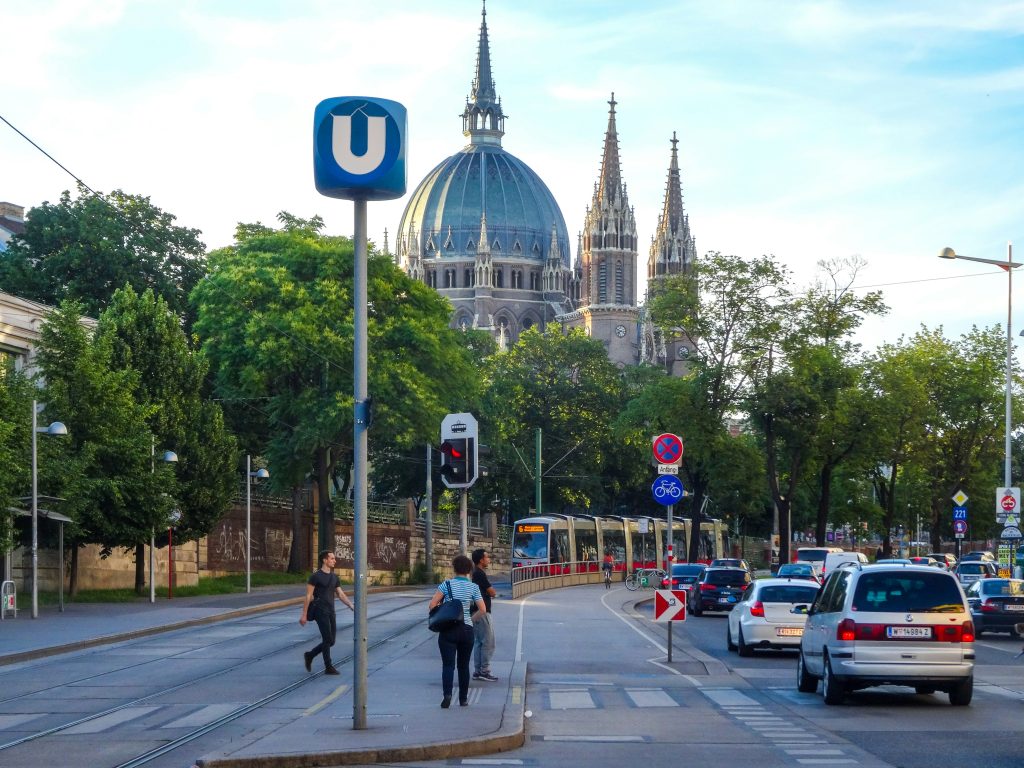
U-Bahn signage on a Vienna street

Getting around

Getting around Vienna is easy, and it’s kind to your budget. The city runs on U-Bahn, trams, buses, and S-Bahn trains, all under one ticket system, so a single pass gets you across town and back. Many of the central sights are just as easy to reach on foot or by city bike, especially if you’re staying somewhere central to begin with. A Wiener Linien 24-hour ticket covers everything you’ll need inside the city for a full day of exploring.

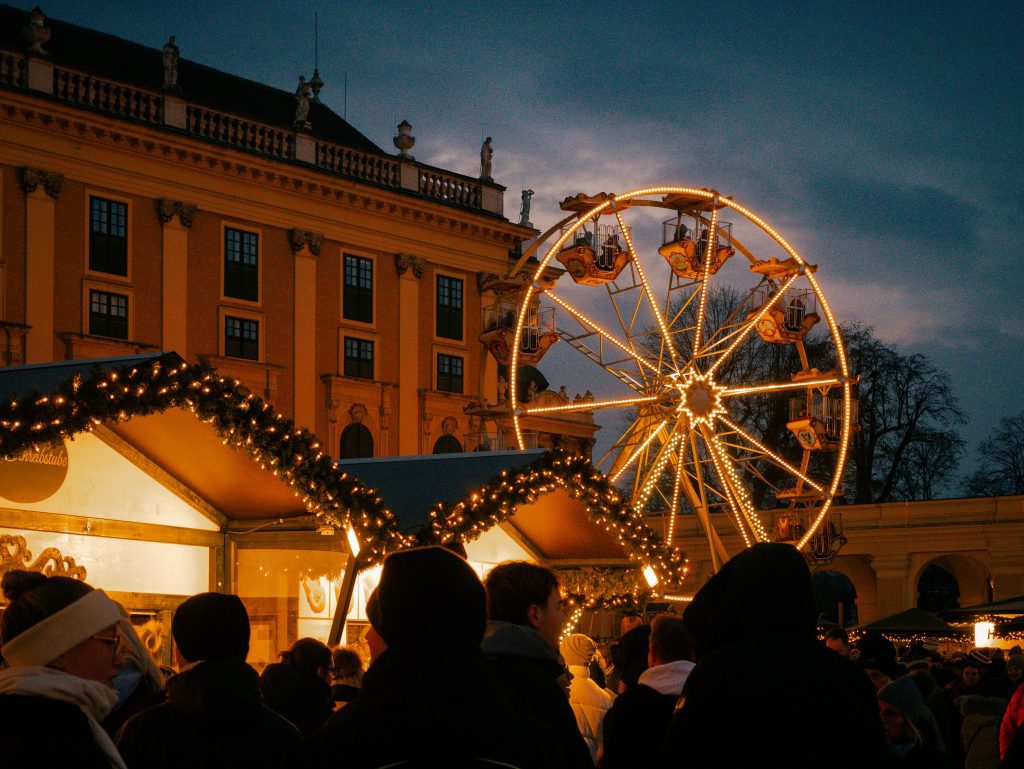
A Christmas market stall in Vienna at night

Through the seasons

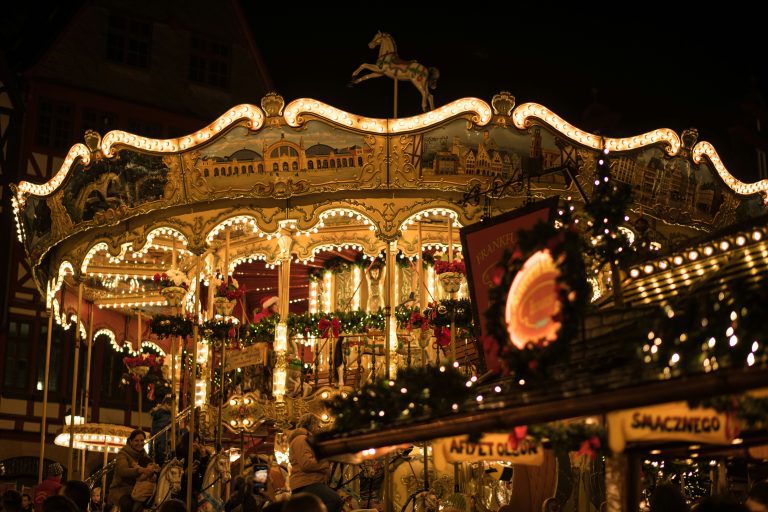
Vienna changes its rhythm with the calendar, and each season comes with its own reasons to visit. Spring (Mar–May) brings the city back outdoors. Chestnut trees blossom along the Prater’s main avenue, coffeehouses set up their terraces, and the concert calendar fills with classical evenings and big-name tours. Summer (Jun–Aug) is when locals swap the old town for the Danube Island. Expect late sunsets, the free Donauinselfest, and open-air films at Rathausplatz, so book your stay well ahead. Fall (Sep–Nov) rewards slower travelers with fewer crowds, new wine at the Heuriger taverns on the city’s vineyard slopes, the Wiener Wiesn Fest in the Prater, and a whole evening of museum hopping during the Long Night of Museums. Winter (Dec–Feb) is when the cold sets in and Vienna gets cozy. Christmas markets light up the squares from mid-November, ball season sweeps through January and February, and a slice of cake in a warm café makes the chilly walk there worth it.

Hidden gems & insider tips

You’ve seen the palaces, climbed the cathedral and had the Sachertorte. Now for the Vienna that locals keep to themselves. Think passageways that cut through old town buildings, vineyard taverns on the edge of the city, and a Saturday flea market at the Naschmarkt where the best finds are gone by 9 AM. There are also bars tucked into the railway arches along the Gürtel. It’s all easy to reach, you just need to know where to look. Here are the places and small tricks that turn a trip to Vienna into really getting to know the city.

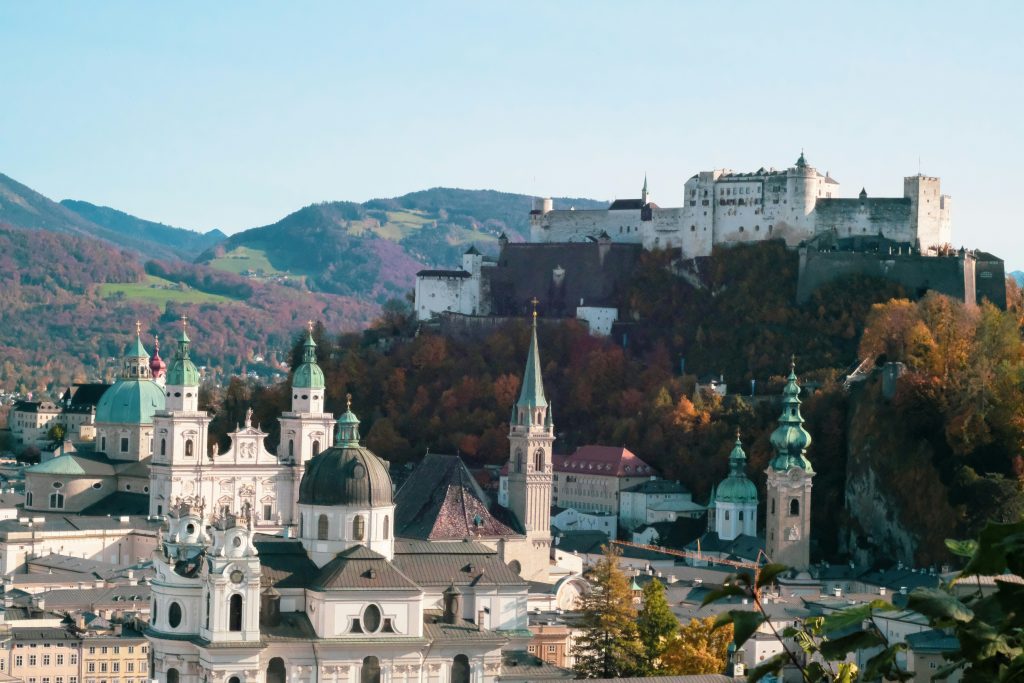
Salzburg skyline with hills on the background

Day trips from Vienna

Vienna’s a great base for day trips: vineyards, rivers, or a whole new capital, all a quick train ride away. Wachau Valley: about 1 hour west. Cruise the Danube between Melk Abbey and Krems, with apricot orchards and wine villages along the way. It’s at its best in spring and early fall. Bratislava: 1 hour by train. Slovakia’s capital packs a castle, a cute old town and great-value food into one easy day. Baden bei Wien: 30 minutes south. This spa town has thermal baths, rose gardens and coffeehouses, perfect for a slower day. Salzburg: about 2 hours 20 by Railjet. Salzburg is Mozart’s birthplace, with a baroque old town and a hilltop fortress. Good for a longer day trip or an overnight stay. Budapest: about 2 hours 40 by train. Budapest has thermal baths, ruin bars and Danube views that make it one of Europe’s most exciting cities. Worth a full day, or better yet, a night.

A day of remembrance: Mauthausen Memorial About 2 hours west of Vienna, this former Nazi concentration camp is now a memorial to the tens of thousands murdered here. It’s a moving, important visit. Plan at least half a day.

Events and festivals

Vienna’s event calendar is packed year-round: the Opera Ball in February, the City Marathon in April, the Wiener Festwochen in May and June, Vienna Pride and the Donauinselfest in early summer, the film festival at Rathausplatz all summer, the Wiener Wiesn Fest in September, the Viennale film festival in October and Christmas markets.

Explore more

Looking for something specific? Browse all our Vienna articles by topic.

Vienna travel FAQs

Yes. Vienna regularly ranks among the safest and most livable cities in the world, and public transport runs well into the night. Use the usual big-city common sense around busy spots like the Prater, the Naschmarkt and the main train stations.

Close
Latest articles
Close

MEININGER Hotels

Explore the top European cities we live in

MEININGER Hotels © Copyright 2020. All rights reserved.
Close